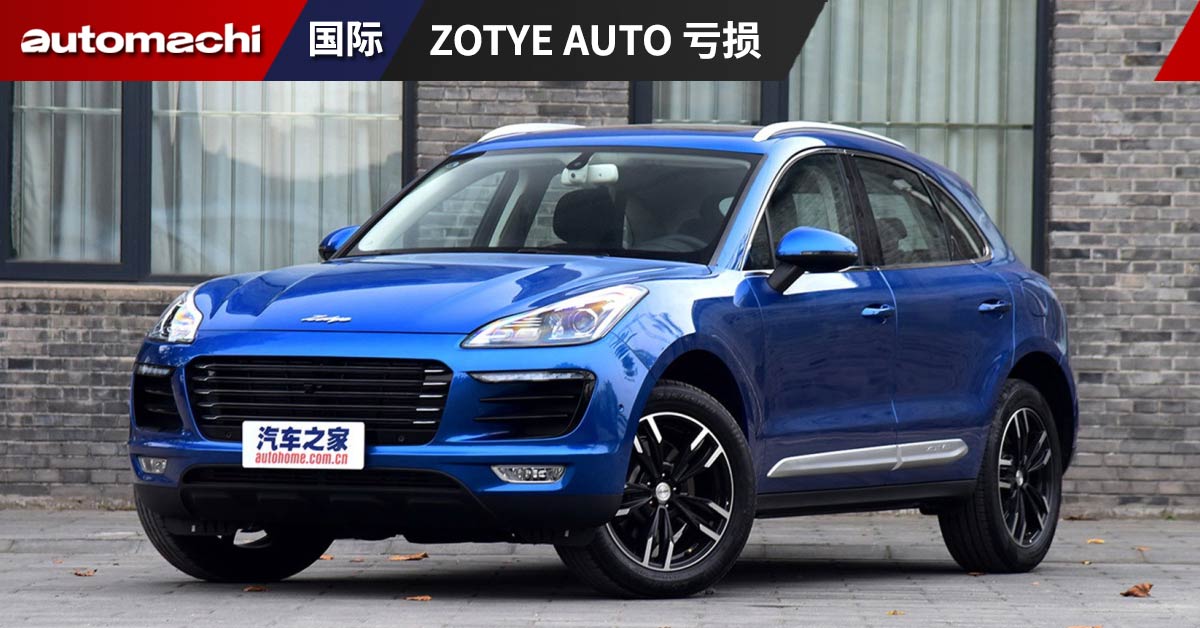
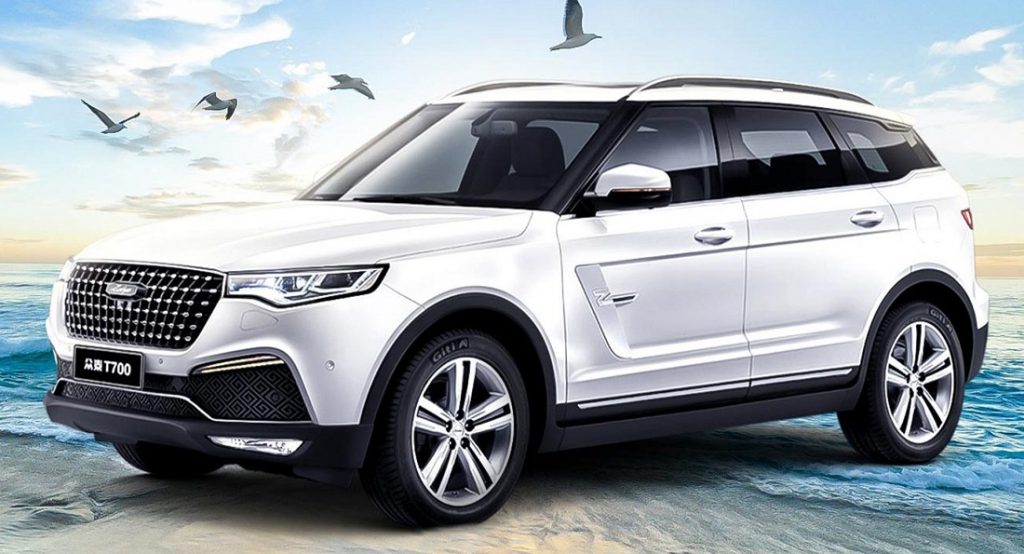
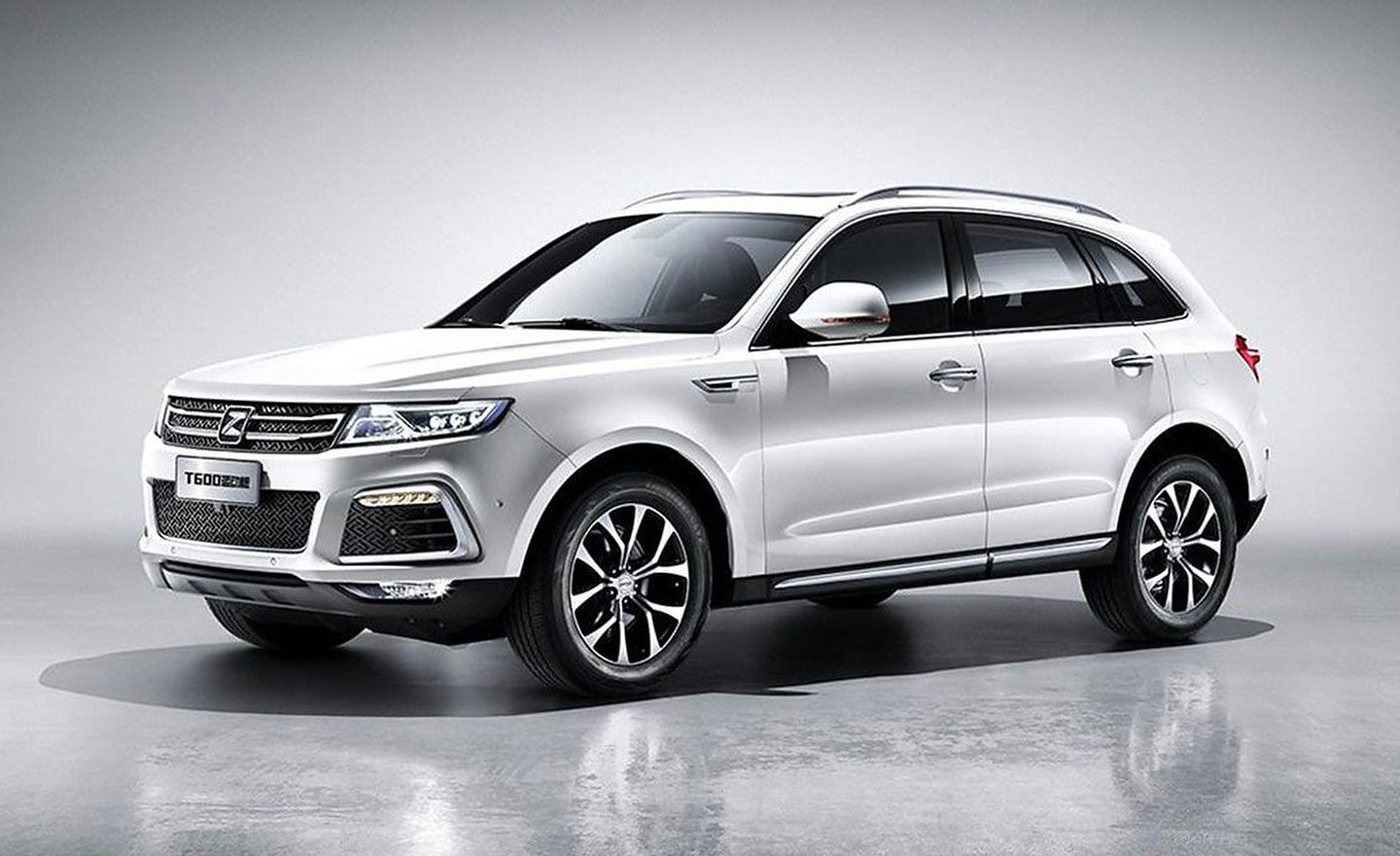
For anyone who follows the chaotic, hyper-competitive theatre of China's automotive industry, the name Zotye Auto triggers a very specific reflex—not admiration for engineering prowess, but recognition of unabashed imitation. This is the company that built the SR9, a machine so brazenly identical to the Porsche Macan that it became a global punchline. It's also the firm that partnered with Ford for an EV venture, only to see its production lines fall silent and its balance sheet haemorrhage cash for the better part of a decade. The story has been one of prolonged death throes, punctuated by asset sales and desperate restructuring. Yet, the latest headlines from Gasgoo suggest a flicker of life: Zotye's mold factory has fully resumed production, and new models have entered the batch verification phase. The question hanging over this news is stark—genuine resurrection, or a cleverly staged mirage designed to keep the creditors circling at bay?
To grasp the significance of the mold factory restart, you first need to understand just how deep the coma runs. Zotye hasn't merely been struggling; it's been effectively comatose. Vehicle production remains unscheduled, and the company has survived largely by selling land and subsidiary stakes—a move that recently allowed it to swing to its first profit in seven years. But here's the twist: that profit was born of liquidation, not of building cars. In this context, the mold division is a peculiar yet telling asset. Tooling and die manufacturing is the industrial bedrock of automotive production; it's where the precision of a vehicle's body panels is determined. A company that can't afford to restart its assembly line but is pouring resources into resurrecting its mold factory is signalling something very specific: it's preparing the physical groundwork for a comeback, betting that the tooling is the hardest part to rebuild once lost.
The Strategy Behind the Steel
The strategic logic here is surprisingly sound. In the Chinese market, where the elimination race is intensifying and production qualifications for eight established automakers have been permanently frozen, a shell company with expired credentials is worthless. But a company with active, high-precision mold facilities offers a different value proposition entirely. This suggests Zotye is positioning itself not merely as a car brand, but as a manufacturing service provider. The "batch verification phase" of new models implies the tooling is being tested against real production standards—whether for their own resurrected models or, more intriguingly, for contract manufacturing deals. In a market where new EV startups desperately need production capacity but lack the capital for bespoke tooling, Zotye's mold factory could become a lucrative subcontractor, effectively renting out its industrial corpse to those still breathing.
The timing is no accident either. With China's EV bloodbath entering its most savage phase, the survivors are those with scale, capital, and vertical integration. The casualties are piling up, and their factories are being auctioned off. Zotye, by contrast, is refusing to let its physical assets rot. The mold factory is the company's most defensible piece of industrial real estate—the one asset that doesn't depend on brand perception or consumer goodwill. It's a bet that the machinery itself has value beyond the badge.
The Skeptic's Checklist
However, scepticism remains the most prudent posture. Zotye's history is littered with announcements of revival that never materialised. The recent narrowing of 2025 losses by over 60% is encouraging, but it's still a loss. The repayment of nearly 400 million Yuan in debt sends a positive signal to capital markets, yet it barely dents the mountain of liabilities accumulated during the production freeze. And then there's the elephant in the room: the company's past reputation for copying designs—most infamously the Macan—casts a long shadow. While the mold factory news suggests technical capability, it does nothing to address the core issue of brand trust. Consumers who once bought Zotye vehicles for their bargain-bin Porsche aesthetics have moved on to domestic giants like BYD or Geely, who now offer superior quality at similar price points. The market has evolved, and the window for "copycat" economics has firmly slammed shut.
Darwinian Economics
The deeper reality is that Zotye is fighting for survival in an environment that has become brutally Darwinian. The freezing of production qualifications for eight automakers is a stark warning that the government is willing to let the weak perish. Yet, the very fact that Zotye is investing in its mold factory suggests it has no intention of being a passive victim. By focusing on the tangible assets of production—the presses, the dies, the engineering know-how—Zotye is attempting to pivot from a disgraced OEM into a leaner, more utilitarian entity. Whether this results in a full return to vehicle assembly or transforms the company into a parts supplier for healthier rivals, the resurrection of the mold factory is more than a symbolic gesture; it's a pragmatic attempt to retain a seat at the table in a game Zotye has been losing for years.
Watch the verification batches closely. If they pass, the mirage may just become reality. If they stall, the mold factory will simply be another asset sold to pay the bills. But in an industry where the difference between life and death often comes down to who owns the tooling, Zotye has just reminded everyone that it still holds the keys to the presses. And in this game, that's not nothing.