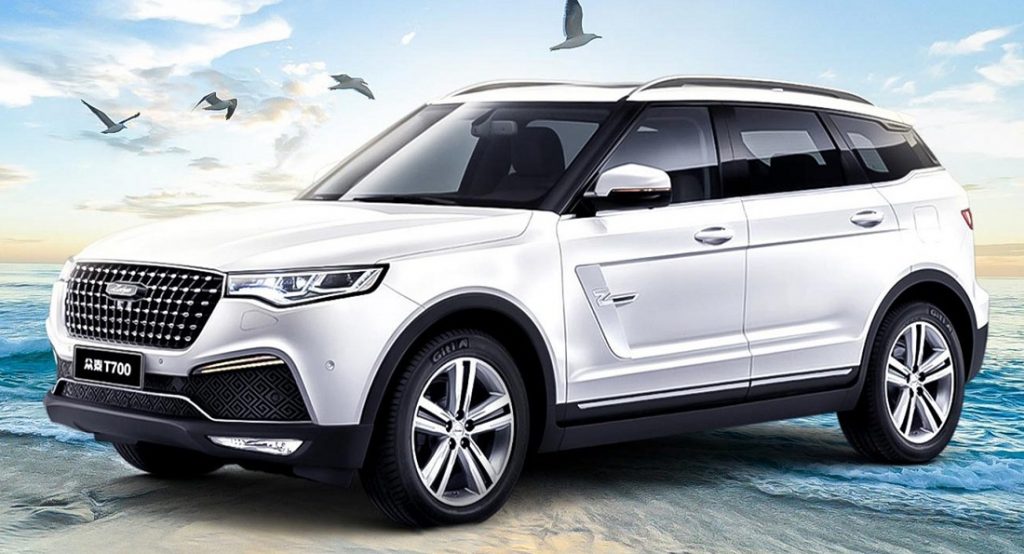
For a company that built its reputation on near-perfect imitation of other people's products, Zotye Auto has spent the past several years engaged in something altogether more original: the slow, unglamorous work of financial survival. The latest chapter arrived with the announcement that the company has repaid nearly 400 million yuan in debt—a milestone that would pass unnoticed at a healthy automaker, but registers as genuinely significant for a manufacturer whose production lines fell silent five years ago. Add a projected narrowing of its 2025 losses by more than 60 percent, and a picture emerges of a company that has, against considerable odds, put its balance sheet back in order. What it has not yet done is put cars back on the line at scale.
That distinction matters enormously. Zotye's debt repayment is real, the culmination of a restructuring campaign that many observers—including this publication—once regarded as hopeless. The company has settled creditor claims, trimmed its obligations, and steadied a ship that was listing badly enough to invite comparisons with the industry's more spectacular collapses. Yet the automaker's own communications have been careful to note that a full production restart remains unscheduled—a phrase that sits uneasily alongside the optimism generated by the debt news. The financial rehabilitation, in other words, has outpaced the industrial one.
Signs of Life on the Factory Floor
There are, to be fair, stirrings. Zotye's mold factory has fully resumed production, and the company has confirmed that new models have entered the batch verification phase—the necessary, tedious prelude to volume manufacturing. More conspicuous was the rollout of the first small batch of Wink Y01 International Edition trial production vehicles, a development that sent the company's shares surging and briefly made Zotye the subject of the kind of market excitement it has not enjoyed since its copying days. The Wink sub-brand, positioned around small electric vehicles, now carries much of the company's remaining ambition. That the first trial vehicles were built to international specification is no accident.
An Export-First Bet
Indeed, Zotye's comeback strategy has pivoted decisively toward overseas markets. Five years after halting production, the company is betting that export demand—particularly from Southeast Asia—can provide the volume that China's brutally competitive domestic market no longer will. A preliminary consensus with Indonesia's BPKN on new energy vehicle industry cooperation points toward exactly this kind of offshore play, and the international edition of the Wink Y01 suggests Zotye intends to lead with exports rather than attempt a frontal assault on the home market, where its brand equity has been thoroughly eroded by years of dormancy and its earlier reputation for derivative design.
A Reputation That Still Clings
That reputation lingers. The company's history of producing vehicles that aped the Porsche Macan and other established models remains a cautionary tale in the industry, and it is worth remembering that Zotye's past joint venture with Ford—announced with considerable fanfare during the electric vehicle boom—never delivered the transformation it promised. Even the company's recent denials, including an official rejection of any plan to build a Tesla Cybercab, reflect how thoroughly Zotye's name has become entangled with speculation. Stock limit-ups and the rumour mill are not the same thing as a functioning car business.
Time Bought, Not Revival Earned
Which is why the debt repayment should be read for what it is: a necessary condition for survival, not proof of revival. Zotye has bought itself time and credibility with creditors, and it has demonstrated that its remaining industrial assets—the mold works, the trial production capability—are not entirely moribund. But the gap between repaying 400 million yuan and building vehicles at commercial volume is bridged by capital, supply chain relationships, dealer networks, and consumer trust, none of which are rebuilt on a narrowed loss statement alone. The company's shares may surge on every scrap of news, and its overseas partnerships may yet bear fruit, but until Zotye schedules a production restart and meets it, the automaker remains a company in convalescence rather than recovery.
For a brand whose entire automotive identity was once borrowed, the task now is to build something genuinely its own—an export-led, small-EV business assembled from the ground up rather than copied from someone else's blueprint. The debts are paid. The line is still quiet. And the most original thing Zotye could do next is prove it can build, and sell, on its own terms.