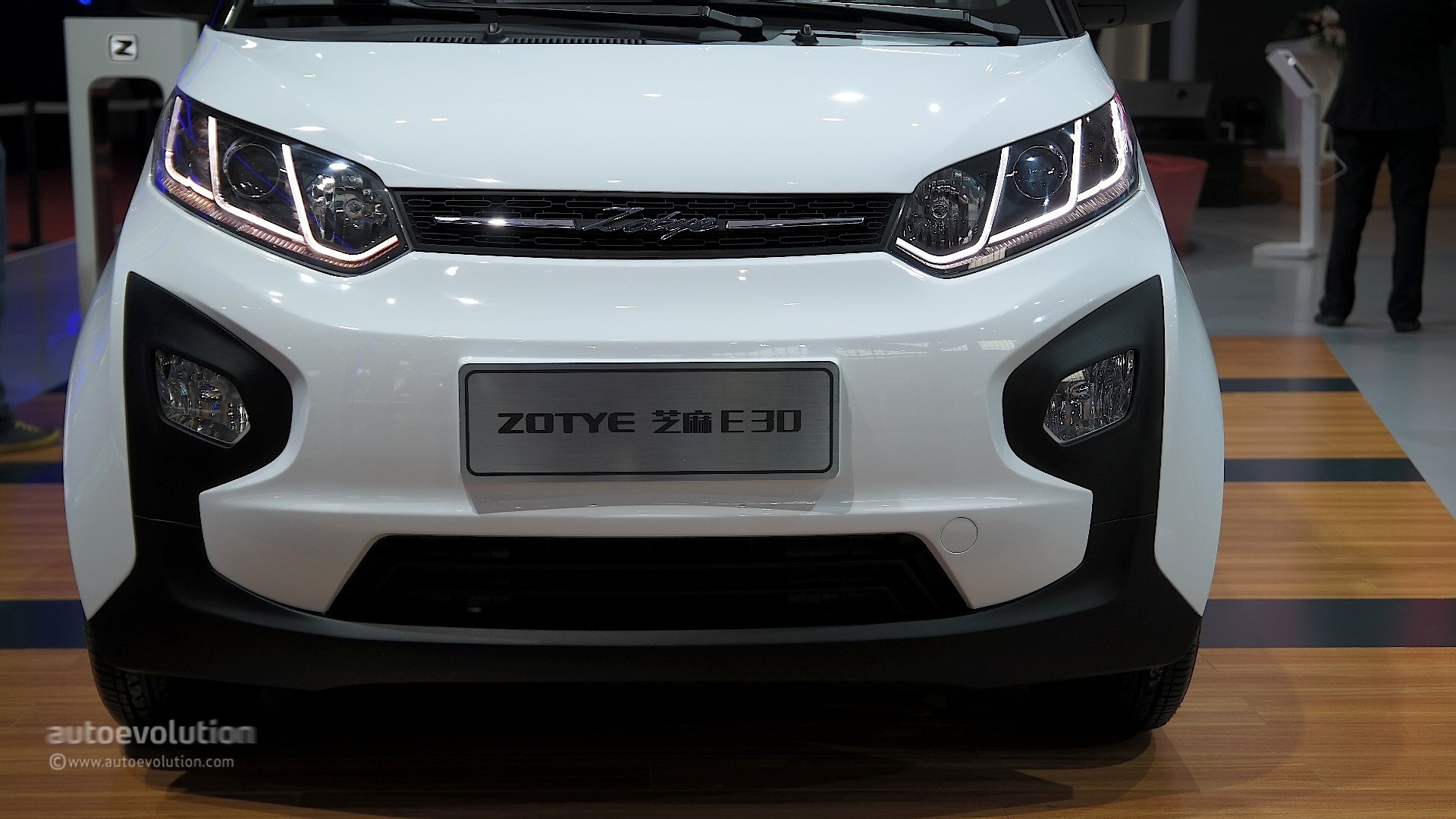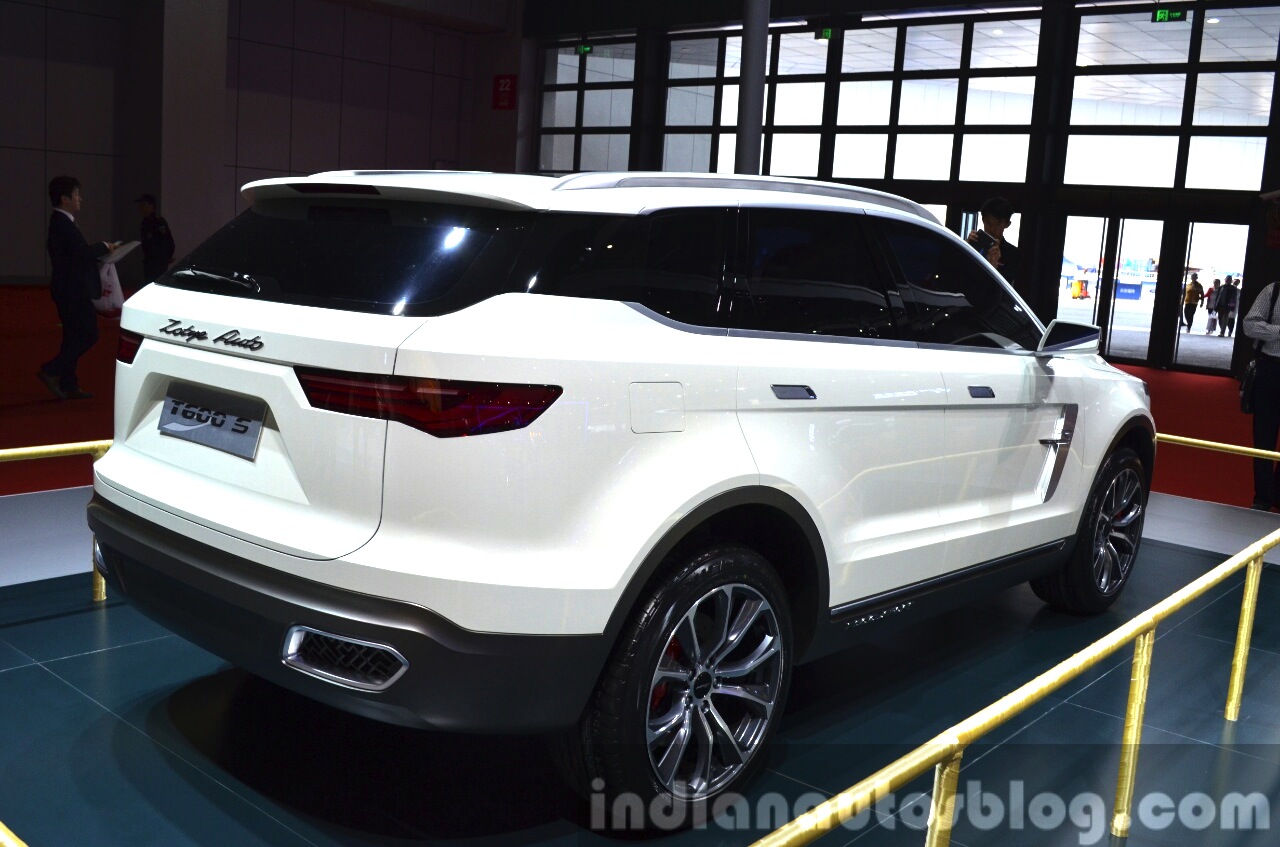
There was a time when the name Zotye Auto triggered a very specific reflex in anyone who follows the industry: a wince, a chuckle, and a mental image of a Porsche Macan rendered in slightly softer metal. The Chinese marque became a shorthand for the copycat era, a company whose most famous international export was a resemblance. Then came the American ambitions that dissolved on contact with reality, and finally the long silence — five years in which Zotye stopped building vehicles altogether and slipped out of the conversation entirely.
Now comes a plot twist. Zotye is not fighting to win back Chinese showrooms. It is shipping electric vehicles to Southeast Asia instead. The first tangible evidence rolled off the line recently: a small batch of Wink Y01 International Edition trial-production cars, a milestone that has set the company's shares alight even as any home-market restart remains conspicuously without a date.
Why Indonesia, and Why Now
The heart of the strategy is a preliminary consensus with Indonesia's BPKN on new energy vehicle industry cooperation — a framework that positions the archipelago as the beachhead for an export-first revival.
The logic practically reverse-engineers itself. Indonesia offers a vast, under-motorised market, aggressive government incentives for local EV manufacturing, and a competitive field far less brutal than the one Zotye would face at home. In China, BYD, Geely, and a dozen state-backed champions are locked in a price war that has already flattened weaker players. For a company with Zotye's scarred balance sheet, scrapping for scraps domestically would be slow attrition by another name. Exporting to a market where the brand carries no copycat stigma — because it carries no history at all — is the more rational play, if a more modest one.
Small Batches, Narrower Losses
That modesty looks deliberate. The Wink Y01 International Edition is entering trial production in small batches, not mass volume, and Zotye's own financial disclosures counsel patience rather than celebration. The company forecasts narrower losses for 2025 — a reduction of over 60% — and has announced the repayment of nearly 400 million yuan in debt. Those are genuine signs of stabilisation.
But the same disclosures concede that a full restart of vehicle production at home has no firm date. This is a company rebuilding its foundations while trying to generate revenue abroad, and the sequencing is telling: exports first, domestic rehabilitation later — if at all.
The Market's Excitable Reflex
The stock has surged on the trial-production news, prompting the kind of clarification that has become routine for a listed entity whose share price often moves faster than its assembly lines. Zotye has also found itself forced to deny reports that it plans to build Tesla's Cybercab — a rumour so improbable it serves as a reminder of how easily the company's name still attaches itself to other companies' achievements. Five years after production stopped, the gap between Zotye's narrative and its output remains wide.
An Inverted Playbook
What makes the Indonesia pivot genuinely interesting is that it inverts the playbook Zotye once followed. The earlier ambitions were grandiose and Western-facing: a proposed EV joint venture with Ford, a declared intention to be the first Chinese carmaker to crack the U.S. market, a design philosophy that treated established European models as templates rather than inspiration. Those ventures collapsed under the weight of their own overreach.
The Indonesian cooperation, by contrast, is unglamorous, incremental, and grounded in a market where Chinese EV expertise is genuinely welcome. It is the strategy of a company that has learned, painfully, the difference between ambition and capability.
Whether it works is another matter. Zotye's brand equity is thin, its dealer and service networks abroad are essentially non-existent, and Indonesia is already attracting serious Chinese investment from better-capitalised rivals. Trial production of a small batch of vehicles is a long way from a sustainable export business, and the unresolved domestic situation looms over every overseas commitment.
Yet for the first time in years, Zotye is doing something that resembles a coherent plan rather than a series of announcements. The company that once tried to conquer America by imitation is now trying to survive by quietly building EVs for Jakarta. It is a smaller story — and, for Zotye, a considerably more honest one.