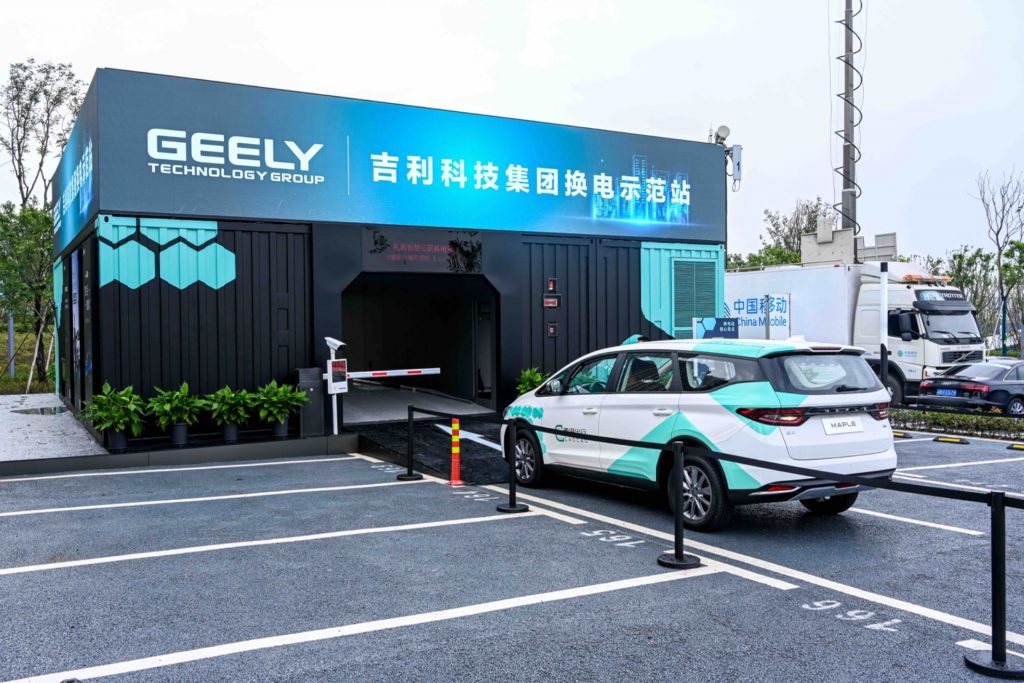
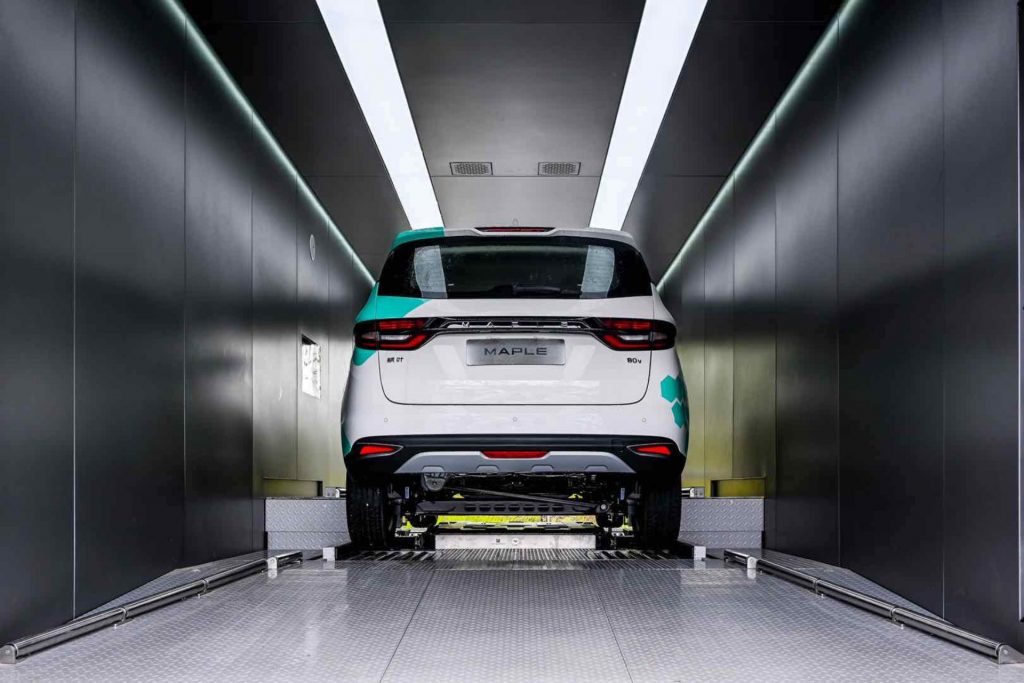
The most consequential thing Zhejiang Geely Holding Group has done this year may not be a car at all. It is a handshake with NIO over battery swapping—a definitive agreement covering swapping and charging businesses that, if it scales, could recast how Chinese drivers think about refuelling entirely. The pitch is deceptively simple: pull into a bay, surrender a depleted pack, receive a charged one, and drive away in roughly the time it takes to order a coffee. No cables, no app-hopping, no forty-minute wait at a public charger. For a mainstream sedan owner, that is not an incremental improvement—it is a category change, closer to swapping a phone battery than to standing at a petrol pump.
The strategic logic is sharper than the consumer convenience suggests. Geely has spent years assembling an unusually wide portfolio—Geely Auto, Zeekr, Lynk & Co, Polestar, Volvo—and swapping infrastructure is one of the few assets that becomes more valuable the more brands plug into it. By aligning with NIO, which has built the country's most extensive swap network, Geely buys optionality without bearing the full capital burden of building stations alone. The deal also leaves the door open to other manufacturers joining, which is precisely the point: standardised packs and shared stations convert a proprietary convenience into an industry utility. Whoever hosts that utility holds leverage.
The Utility Play
That matters because Geely's home market is unforgiving. China's price war has compressed margins across the board, and the group's response has been a hard reset. Founder Li Shufu has stepped down as chairman, handing the role to a successor who has publicly vowed to double exports and push hard into Europe. Simultaneously, Bloomberg reports the group will shut some units and concentrate fire on its Hong Kong-listed arm—a consolidation that Reuters' Breakingviews, in characteristically blunt fashion, judged to be moving nowhere fast. The tension is real: streamlining is necessary, but restructuring alone does not sell cars. Battery swapping does, because it removes one of the two objections still slowing EV adoption—range anxiety and recharge time. Geely can attack the second without waiting for a chemistry breakthrough.
Exporting the Model, Not Just the Metal
The export ambition is where swapping becomes genuinely clever. Europe's charging build-out is uneven, urban parking is scarce, and drivers there are conditioned to five-minute refuelling stops. A swap station occupying three parking bays can service a fleet faster than a bank of fast chargers drawing far more grid power. If Geely can export the model alongside the metal—pairing Zeekr and Geely Auto sedans with a partner-operated swap footprint—it differentiates on infrastructure rather than price, which is the only sustainable ground left in a crowded market. The group's parallel push into Google built-in services outside China, announced with considerable fanfare, signals the same instinct: compete on the ownership experience, not the sticker.
The Obstacles Worth Naming
There are obstacles worth naming. Swap networks demand pack standardisation across models, which constrains design freedom and complicates the premium positioning Zeekr is cultivating—its 9X has earned a standout owner-recommendation score, and premium buyers are not always eager to hand back their batteries. Capital intensity is another: stations are expensive, utilisation is everything, and a price war is a poor moment to fund long-payback infrastructure. Geely's U.S. roots, meanwhile, remain a slow-burn story rather than a near-term lever.
Yet the strategic direction is coherent in a way the restructuring headlines are not. Geely is betting that the future of refuelling looks less like a petrol station and more like a battery drawer—and that owning the drawer, or at least co-owning it with the partner who built it first, is worth more than another trim level. If the swap standard holds and exports follow, the sedan that recharges like a phone may prove to be the group's most persuasive argument yet.