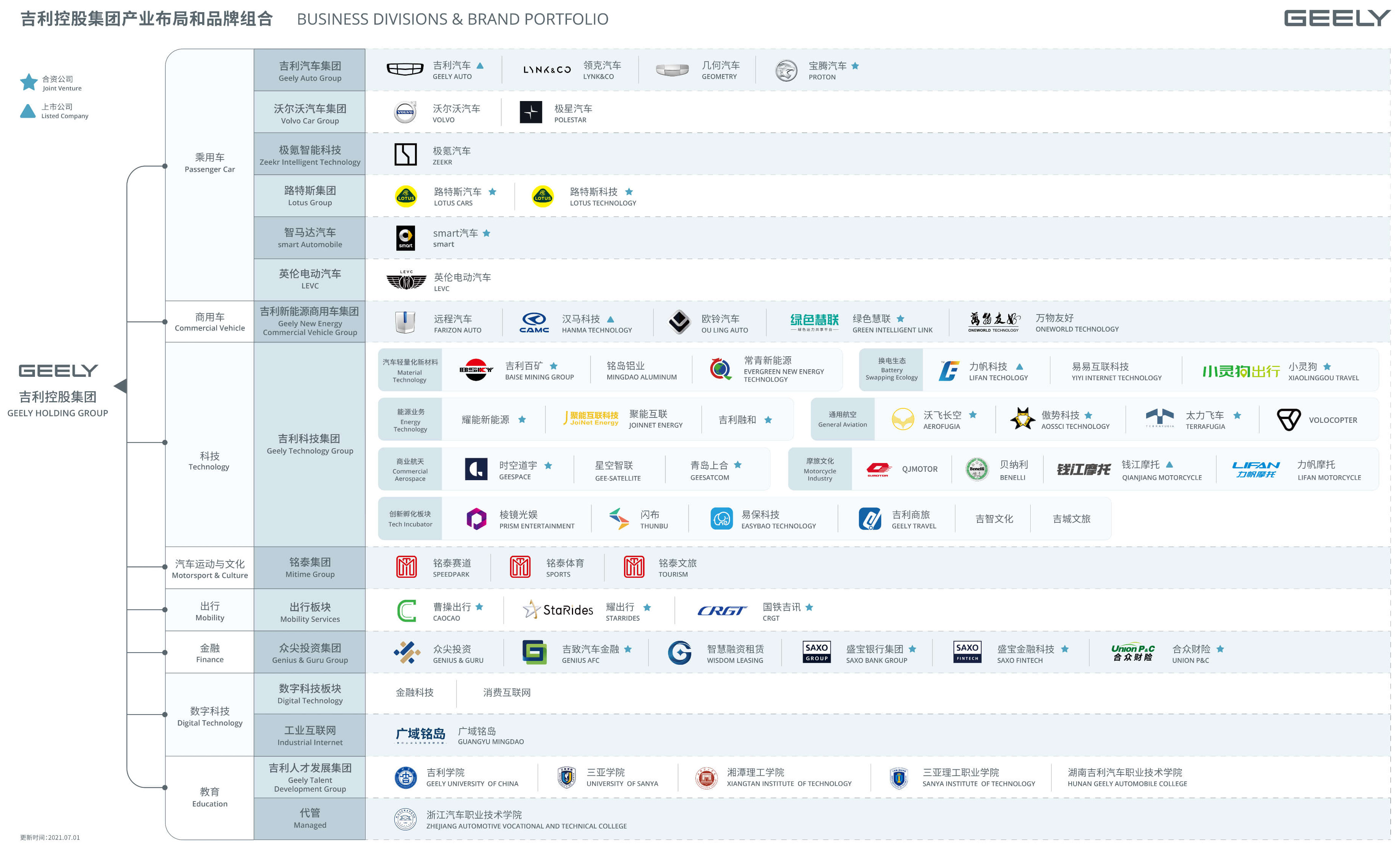
For the better part of a decade, Zhejiang Geely Holding Group looked less like an automaker and more like a global acquisition machine with an insatiable appetite. Volvo, Lotus, Proton, a 17% stake in Aston Martin—the shopping spree was legendary, even as the brand portfolio grew tangled. But beneath the headline deals and a bizarre legal tussle with Aston Martin over a wings-shaped logo, something far more significant is stirring. The group’s aggressive "One Geely" consolidation strategy, paired with founder Li Shufu handing the Geely Auto chairmanship to An Conghui, marks a decisive shift from expansionist chaos to surgical precision. And the first true battlefield for this new discipline? The European luxury sedan segment, where Geely’s plan to build its flagship cars at Volvo’s European plants by 2028 could genuinely rattle the establishment.
This isn't corporate window dressing. "One Geely" is a direct response to the inefficiencies born from a decade of brand sprawl. Zeekr, Lynk & Co, Polestar, and Volvo were running overlapping R&D programs, fragmented supply chains, and—critically—competing internal roadmaps. Engineering investment was diluted, and the portfolio risked becoming a caricature of itself: a premium Geely sedan cannibalizing a Volvo S60 or Polestar 2. By streamlining structure and anchoring everything around the Hong Kong-listed Geely Auto unit, Li Shufu is forcing a single, unified platform strategy. The logic is brutal and simple: one architecture, one software stack, one consolidated purchasing muscle. For European buyers, the consequence is that the line between "Volvo" and "Geely" is about to blur in ways that will redefine perceived value.
The European Gambit: Made in Sweden, Engineered in Hangzhou
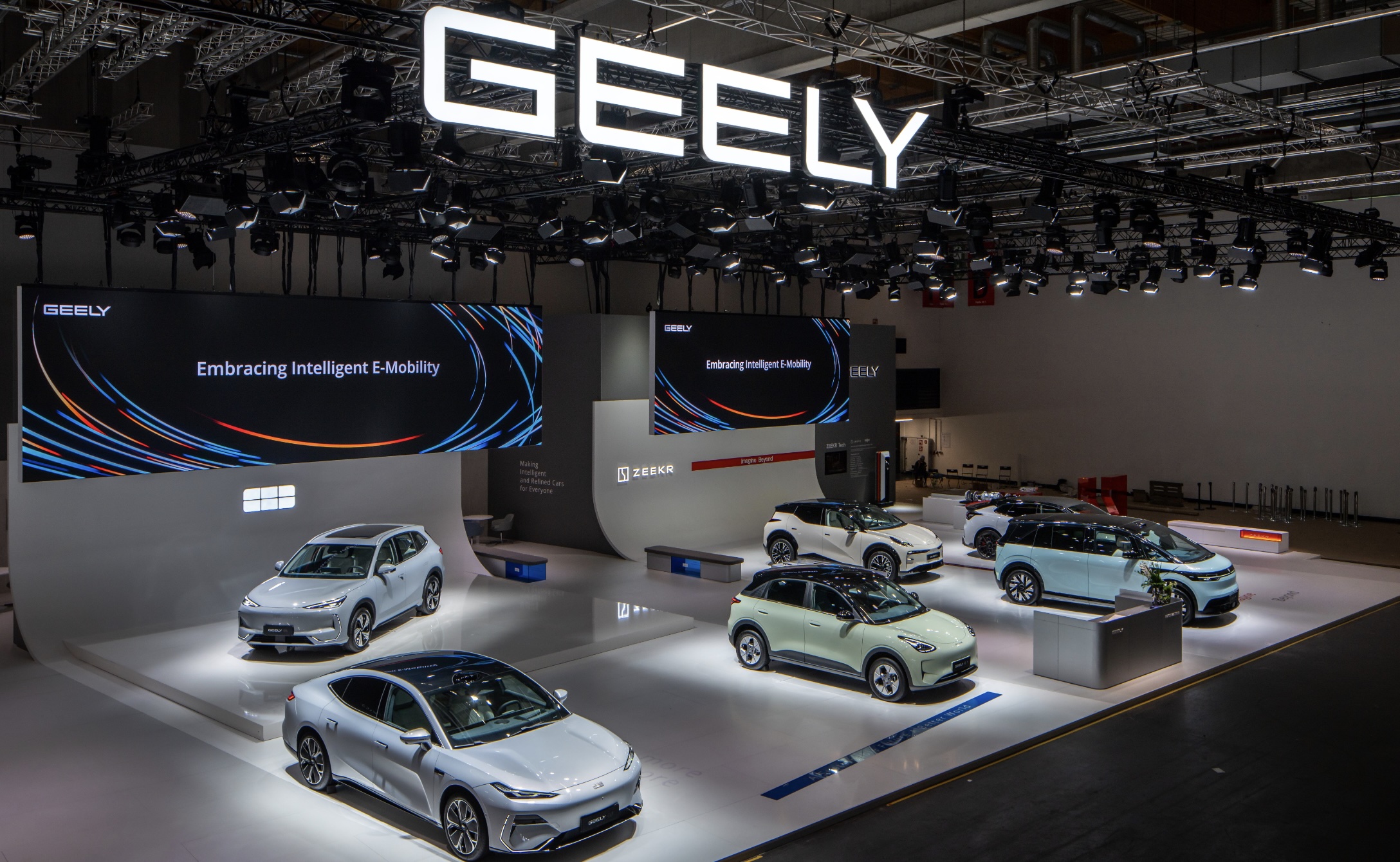
The decision to tool up Volvo’s European factories for Geely’s luxury sedans by 2028 is the loudest signal yet that this isn't badge engineering—it's about leveraging European manufacturing legitimacy to bypass tariff barriers and consumer skepticism. Building Chinese-designed luxury sedans in Sweden or Belgium lets Geely sidestep punitive EU tariffs on Chinese-made EVs while claiming a "Made in Europe" provenance that fleet buyers and premium customers still demand.
But here's the inherent tension. "One Geely" demands shared platforms and ruthless cost efficiencies, yet Volvo’s European loyalty is built on a distinct Scandinavian identity—safety-first, minimalist, resolutely its own. If a Geely luxury sedan rolls off the same Gothenburg line as a Volvo, sharing core underpinnings, differentiation must shift to software, interior ambience, and autonomous driving capabilities. That's where Geely has quietly invested billions, and where the real battle will be fought. The hardware may be common, but the character must be unmistakable.
Consolidation Under Fire: Legal Wars and Pragmatic Leadership
This internal overhaul arrives at a moment when Geely's external relationships are increasingly fraught. The company is simultaneously negotiating a partnership with Ford for vehicle architecture licensing, celebrating a Canadian tariff cut as a potential North American foothold, and fighting a Brazilian court ruling over a disputed patent. Each conflict underscores why "One Geely" matters. A unified legal and corporate front is essential when you're suing and being sued by Aston Martin—a company you partially own—while courting Western legacy automakers for technology deals.
The leadership shift under An Conghui, a professional manager rather than a founder-visionary, signals a move toward operational pragmatism. Li Shufu’s step back from day-to-day chairmanship allows him to focus on the macro-geopolitical chess game—deepening ties with the Zhejiang provincial government to build a "world-class auto cluster"—while An Conghui tackles the slog of merging corporate cultures and platform roadmaps. It's the difference between a tycoon’s vision and an operator’s execution.
The 2028 Inflection Point
For the European sedan market, 2028 is the critical date. By then, the current generation of combustion-powered executive sedans from German marques will be in their twilight, with electric-only line-ups taking center stage. Geely’s luxury sedan, built on a unified "One Geely" architecture and produced at Volvo’s plants, aims to strike precisely at that moment of generational weakness. The question is no longer whether Geely can build a competitive car—the technology and capital are undeniable. It's whether the "One Geely" structure can execute a cohesive brand hierarchy without alienating the European buyers who trust Volvo for safety and Geely’s other brands for innovation.
If the streamlined group can manage that delicate balance, the traditional European sedan hierarchy faces a challenge not from a single Chinese upstart, but from a consolidated, disciplined conglomerate that has finally learned to march in lockstep. The reckoning isn't coming. It's already here, and it's wearing a unified badge.