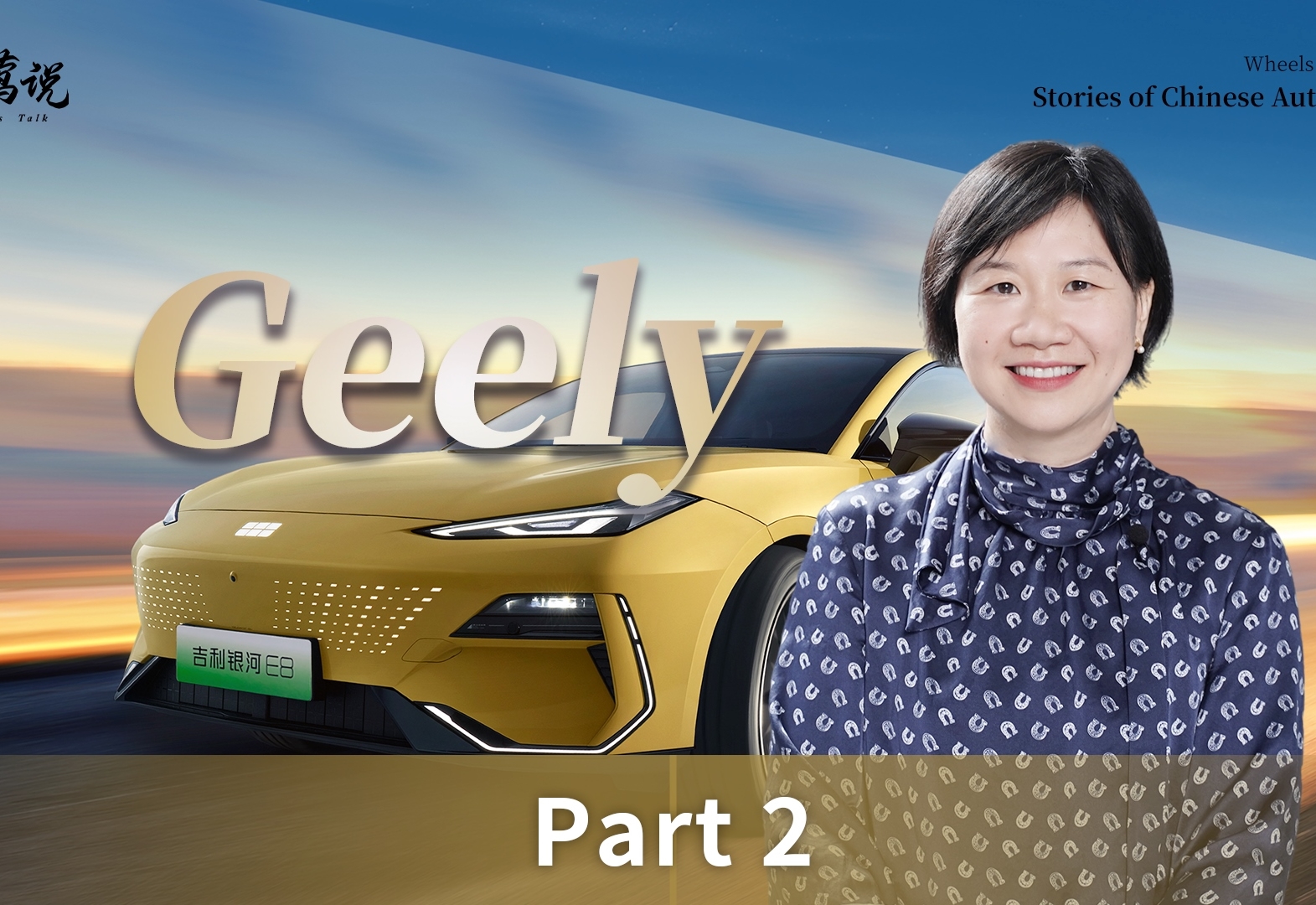
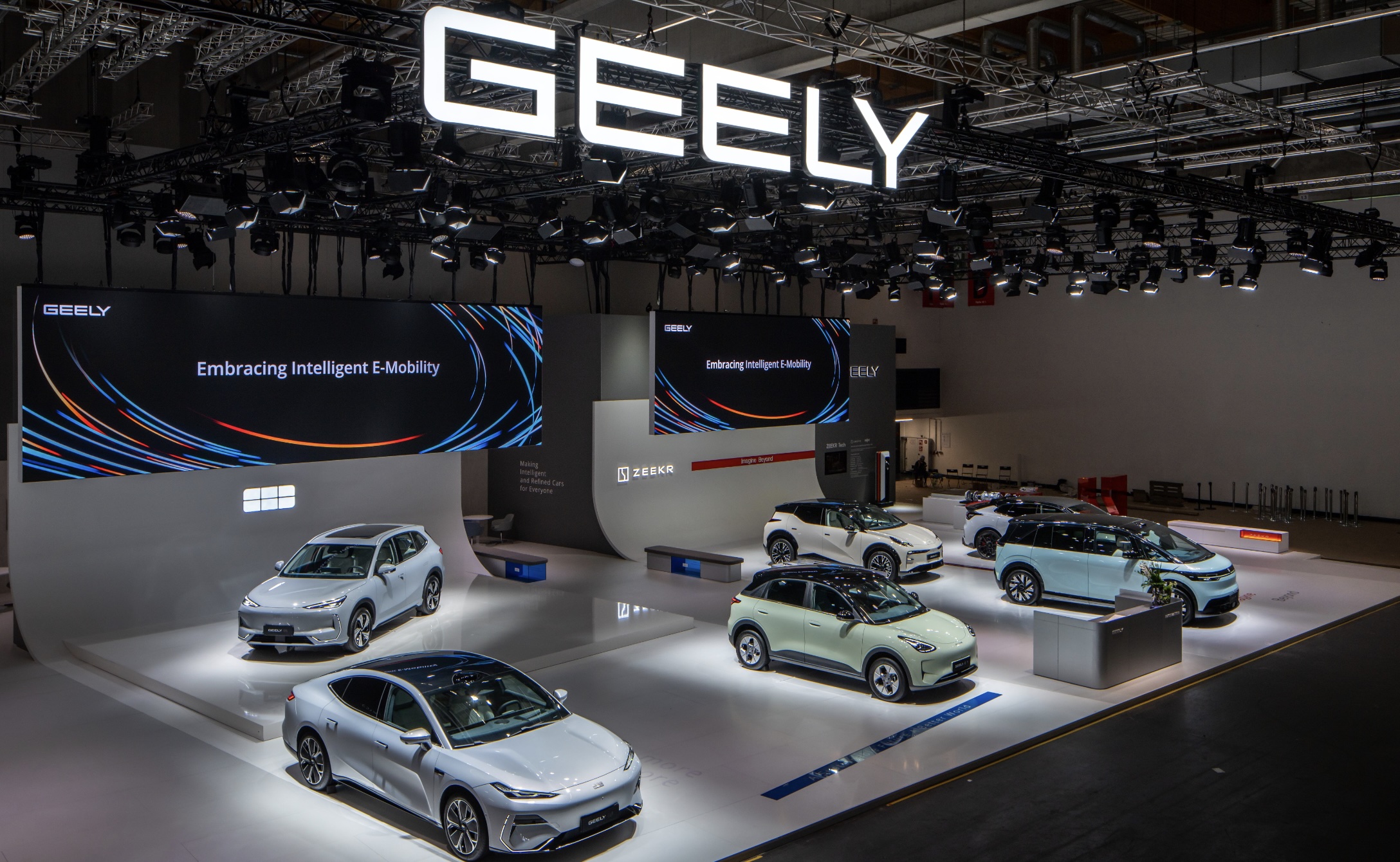
The most consequential partnership in the global auto industry this quarter may not involve a battery chemistry breakthrough or a new platform architecture. It involves a search engine. Zhejiang Geely Holding Group has confirmed that vehicles from its brands will ship with Google built-in services in markets outside China — a deceptively simple announcement that quietly redraws the competitive map for Chinese automakers selling into Europe, the Middle East, and beyond.
For years, the knock against Chinese vehicles in Western markets has been less about hardware than about habitation. The cars drove well, priced aggressively, and increasingly looked handsome. But the software layer — navigation, voice assistants, the connective tissue of the modern cockpit — felt foreign to buyers raised on Google Maps and Android Auto. Geely’s move eliminates that friction at a stroke. A Lynk & Co or Polestar buyer in Oslo or Amsterdam will now find the same familiar interface they know from their phone, embedded natively rather than mirrored. That is not a feature upgrade; it is a psychological permission slip.
The Timing Is the Tell
Geely’s new chairman has vowed to double exports and push hard into Europe, precisely as the home market in China softens. The company is also streamlining its corporate structure, prioritising its Hong Kong-listed unit and consolidating a sprawling empire into something legible to international investors. Layered atop this is the NIO partnership — a comprehensive strategic agreement in charging and battery swapping, including a 30 percent stake in NIO’s battery-swap unit, valued in the billions. Geely, in other words, is not merely exporting cars. It is assembling the infrastructure of legitimacy: software that feels local, energy networks that feel reliable, and a balance sheet that feels transparent.
An Irony Worth Naming
Yet the Google arrangement carries an irony worth naming. The same week Geely announced American software for its overseas fleet, reports surfaced from Norway — a bellwether market for Chinese EVs — alleging that Chinese vehicles had stored military exercise footage and access codes. The details are contested and the provenance murky, but the political weather is not. Geely’s embrace of Google built-in can be read as a pre-emptive answer to the data-sovereignty question: if the cockpit runs on American servers, governed by American terms, the anxiety loses its sharpest edge. It is a strategic concession dressed as a convenience.
American Roots, Digital Branches
There is a broader pattern here. Geely’s American roots run deeper than most consumers realise — through Volvo, through Polestar, through a decade of quiet investment in U.S. operations and dealer networks. The Google deal extends that logic into the digital realm. And as Chinese EV brands eye Canada with a mixture of threat and promise, the question of whether they will destroy or help save domestic auto sectors hinges on exactly this kind of integration. A car that speaks fluent Google is a car that argues it belongs.
None of this guarantees victory. Software partnerships age, regulators shift, and the European Commission has shown no reluctance to wield tariffs. But Geely has identified the real battleground with unusual clarity. The war for the global sedan market will not be won on range figures alone. It will be won in the two seconds after a driver says “navigate home” and the car answers in a voice they already trust. Geely just made sure that voice sounds American — everywhere except China.