Forget the share price tick. When Zhejiang Geely Holding Group agreed to acquire a 30% stake in Nio Power — Nio's battery-swapping and charging subsidiary — for a reported US$2.4 billion, the market did what markets do: Nio shares nudged up about 3%, analysts reached for the word "validation," and the familiar argument about whether battery swapping can ever scale beyond a niche started up again. All of that misses the point. Geely didn't buy a slice of a rival's science experiment. It bought infrastructure — the physical, capital-hungry, almost impossible-to-replicate kind that decides who controls the plumbing of the electric era.
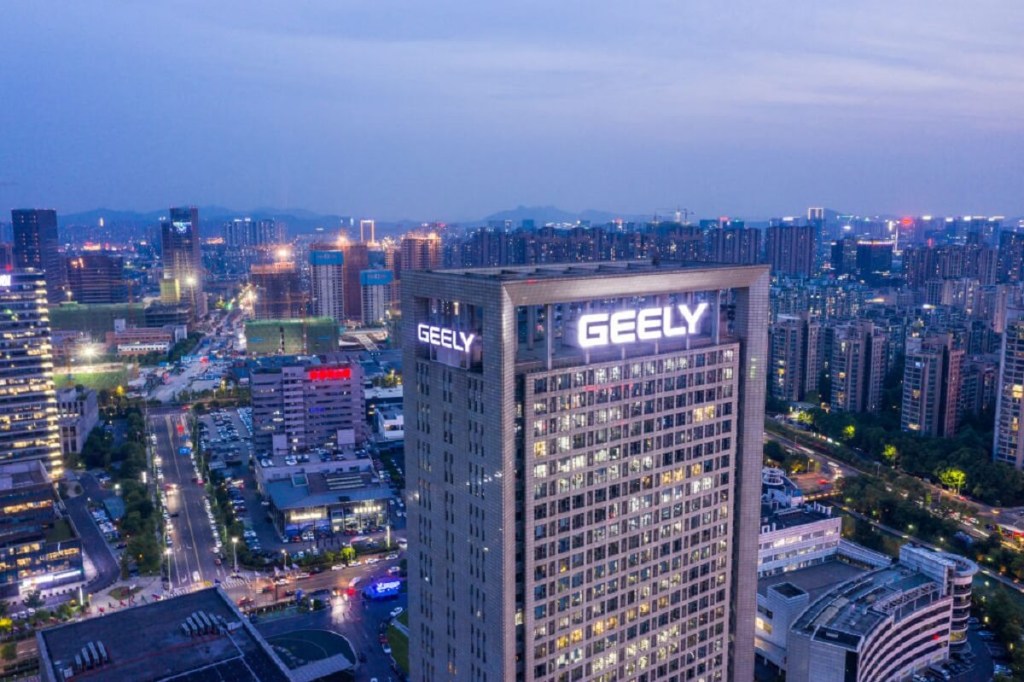
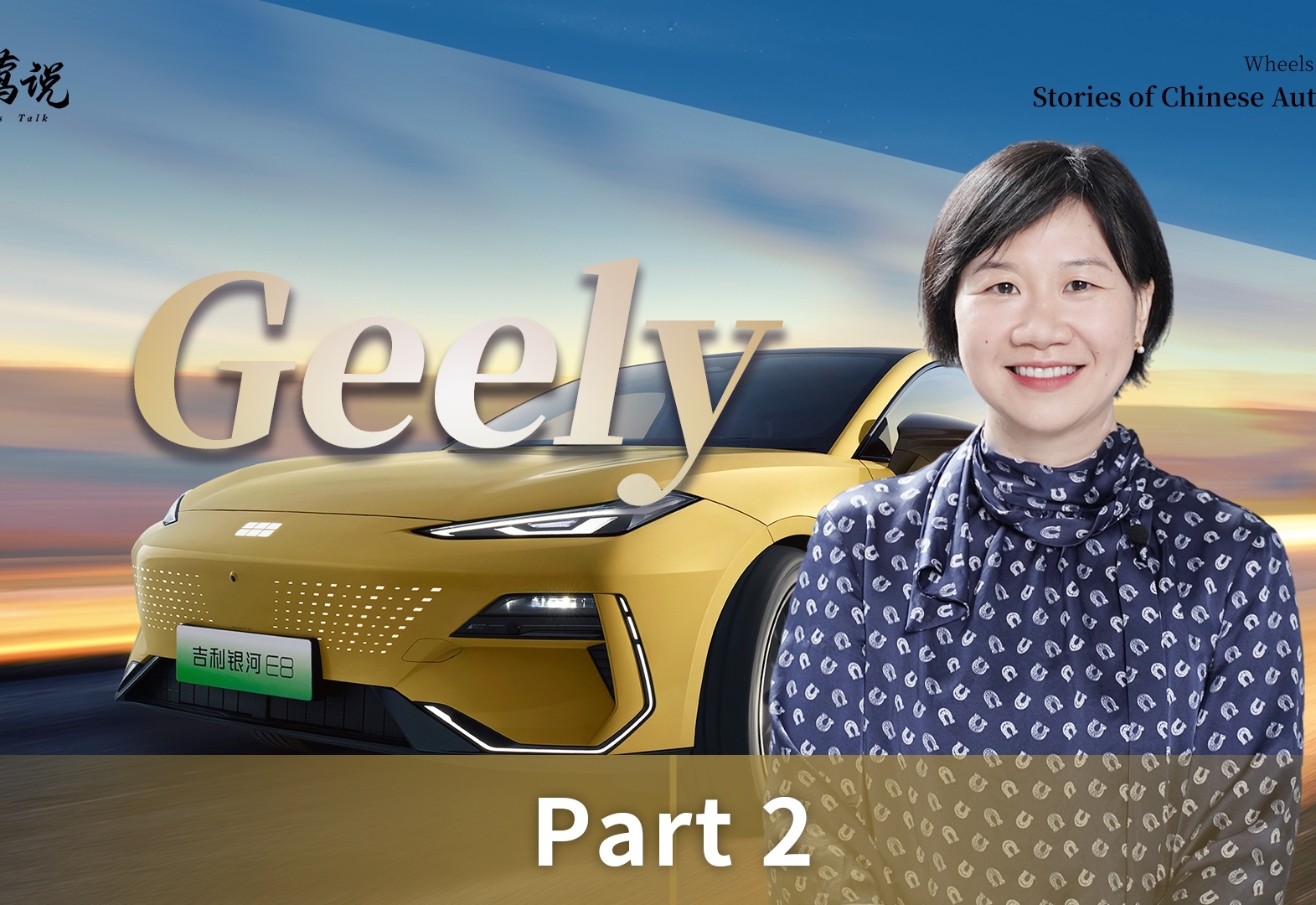
Think about what Geely actually is. Not a brand — a holding group. Its portfolio runs from Geely Auto to Volvo Cars, Polestar, Lotus, Zeekr, and Lynk & Co, plus commercial vehicles, the ride-hailing arm Cao Cao Mobility, and a widening European push that includes the Monjaro EM-i making its Euro debut at the Paris Motor Show. That breadth is the whole story here.
Utilization Is the Only Math That Matters
A swap network lives or dies on throughput. Stations only pay for themselves when enough vehicles of compatible architecture cycle through often enough to amortize the real estate, the grid connection, and the battery inventory sitting underneath. Nio alone could never guarantee that traffic. Nio plus Geely's cumulative EV volume across a dozen marques is a completely different equation.
That's why this runs deeper than an equity transaction. Battery swapping has always been strangled by the chicken-and-egg problem: nobody builds stations without cars, and nobody builds cars around a standard without stations. By taking 30% of Nio Power, Geely plugs its own future product plans into a network that already exists instead of bankrolling a parallel one from zero. Reuters reported that Nio remains open to other peers joining — which tells you exactly where this is headed. A shared, industry-wide swapping standard, with Nio Power behaving less like a proprietary moat and more like a utility. And Geely, with its manufacturing scale and multi-brand reach, is precisely the anchor tenant that makes a utility pencil out.
The Quiet Signal About Where Value Is Migrating
There's a subtler message in the deal about where Geely believes value is moving. The company has spent years assembling a genuinely global footprint, including a real and often underappreciated presence in the United States through Volvo, Polestar, and Lotus. It has the capital and the patience to fund assets that pay off over a decade rather than a quarter. Battery swapping at national scale is exactly that: expensive upfront, defensible once built, and brutally hard for a latecomer to copy.
Owning nearly a third of the leading swap network buys Geely a seat at the table when standards get written. And standards, not batteries, are where the durable margins in electrification will live.
From Premium Flavour to Shared Backbone
The deal also redraws the competitive map. For years, Nio's swap stations read as a premium differentiator — a costly flourish that skeptics insisted would buckle under its own economics. Geely's entry changes that read entirely.
When a conglomerate of Geely's breadth pays billions for a minority position, it isn't endorsing a feature. It's underwriting a category. The bet is that swapping becomes to electric vehicles what roaming agreements became to mobile telephony: shared backbone infrastructure that no single brand can afford to own alone, but every serious brand needs access to.
None of this is guaranteed. The transaction still hinges on approvals and conditions. Integration across Geely's disparate platforms will be genuinely hard. And the utilization math only works if adoption keeps climbing.
But the direction is unmistakable. Geely didn't buy 30% of Nio Power to move more of its own metal tomorrow. It bought a stake in the road itself — the charging and swapping layer every electric sedan, crossover, and commercial van will eventually lean on. In a market obsessed with range figures and screen sizes, that's a strikingly infrastructure-minded move. It may prove the most telling one Geely has made in years.