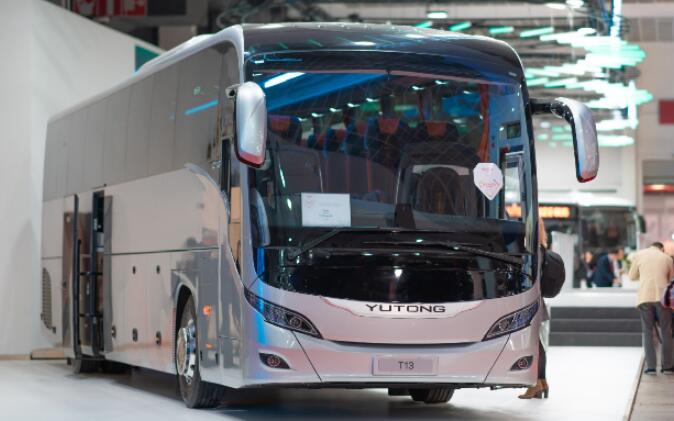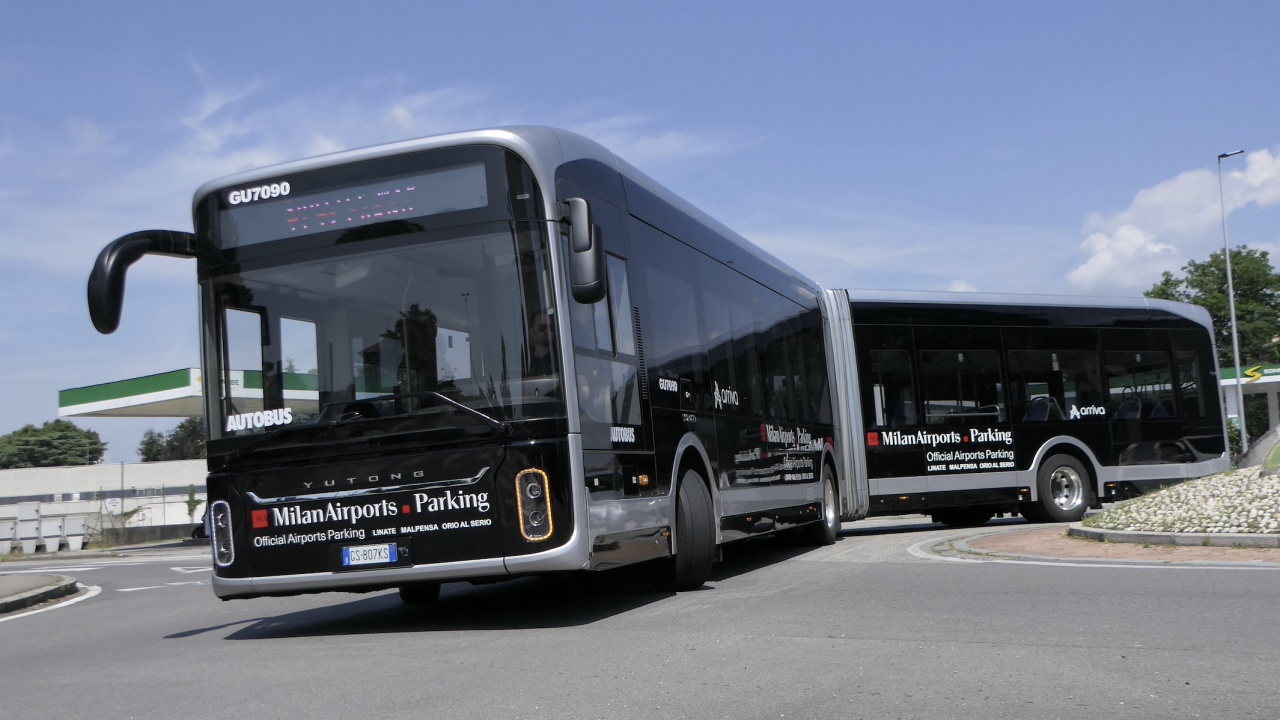
The Yutong U18 BRT has landed in Norway, and on paper it reads like a declaration of war. At 18.7 metres long, swallowing up to 125 passengers and packing a battery of up to 704 kWh, the articulated flagship is exactly the sort of machine that stops traffic at trade fairs and fills column inches in the trade press. It arrives in a Norwegian market that has already welcomed a 235-bus electric fleet in Vestfold under Yutong's banner, alongside a Trentino delivery timed with pointed symbolism to the Winter Olympics. Tally in Leicester's repeat order for ten more electric buses and a Mexican highway coach launch, and you have the portrait of a manufacturer in seemingly unstoppable ascent—one whose 2025 sales growth was reported with the quiet confidence of a company long accustomed to winning.
But here's the thing about winning on the order book: the order book is no longer the bottleneck. Europe's service infrastructure is.
The Debut Is the Small News
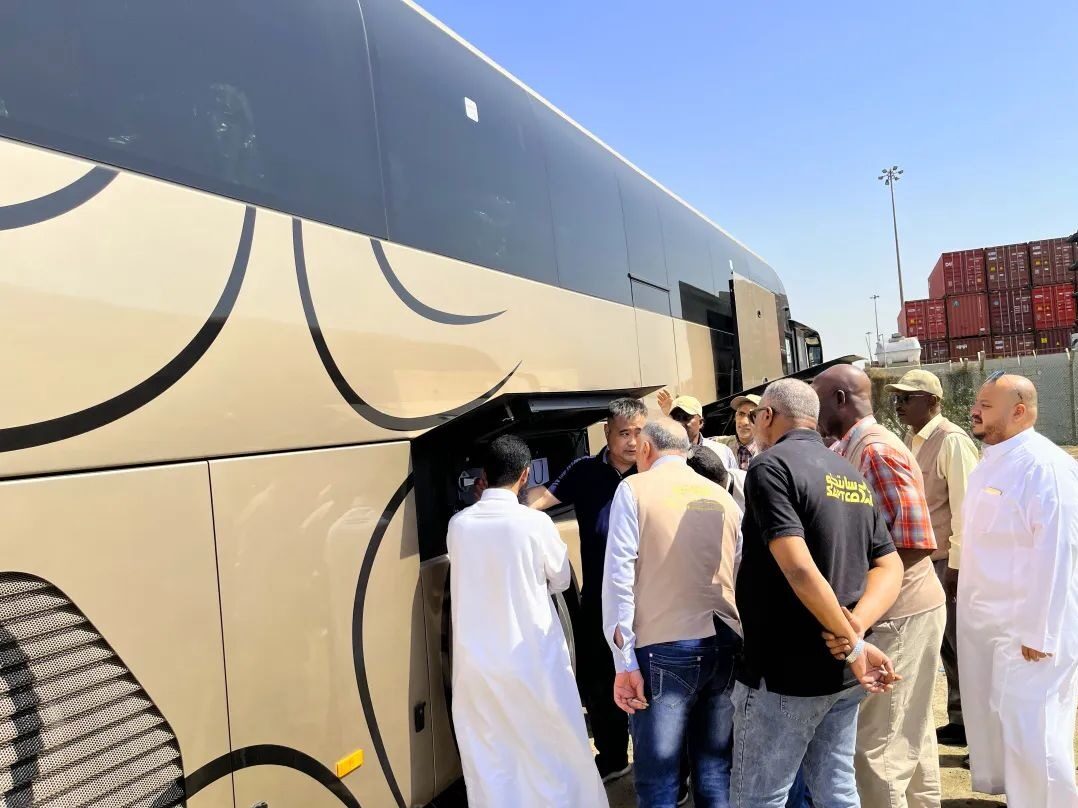
The announcement that Yutong has opened its first comprehensive service centre in Europe should be read not as a footnote to the U18's Norwegian debut but as the more consequential news of the quarter. The word "first" carries a weight the specification sheets simply cannot. For a European operator—whether a municipal transit authority in Scandinavia or a family-run coach firm in the Midlands—signing with a Chinese manufacturer is no longer principally a question of range, price or even politics. It is a question of what happens on a wet Tuesday in February when a charger communication fault strands a vehicle at the depot with the morning peak closing in. The answer to that question determines whether the second order ever arrives.
Engineering Credentials Aren't in Doubt
Make no mistake: Yutong's technical case is solid. Its EV long-life technologies, showcased recently alongside its electric range, speak to a maturing approach to battery degradation and total cost of ownership that fleet managers understand intimately. Nor is the commercial argument in question. As Nikkei Asia reported, European operators have continued to adopt BYD and Yutong buses despite persistent security anxieties about Chinese-connected vehicles—a striking testament to how thoroughly the economics of electrification have overridden geopolitical caution. When operators buy anyway, they are telling you the alternatives are not yet good enough.
The Real Test Is a Wet Tuesday
Yet that same willingness to buy despite misgivings raises the stakes on after-sales support. An operator who has already absorbed political risk to choose Yutong will not forgive operational risk. The StillBrook analysis flagged by Bloomberg, which characterised Yutong as a "hidden gem," captures the investment case neatly: a company whose global volume and vertical integration in battery supply have not yet been fully reflected in its standing. But hidden gems become visible precisely when they are tested—and the test in Europe is not another headline-grabbing delivery. It is parts availability within twenty-four hours, technician training pipelines, diagnostic software in local languages, and the unglamorous logistics of keeping a warranty promise on a continent where the customer expects a depot visit, not a shipping container.
Service Design Is the New Design Language
There is an irony worth noting. Yutong's own corporate architecture—the Zhengzhou office spaces designed by DU Studio and widely admired in architectural circles—demonstrates a company that understands the value of environment and experience. That same sensibility must now be exported, not as interior design but as service design. A service centre is a building; a service network is a culture. Europe's transit operators are among the most demanding customers in the world, not because they are difficult, but because they are accountable to passengers with no patience for a bus that does not arrive. Reliability is the product they are actually buying. The vehicle is merely the means of delivering it.
The Norwegian fleet, the Trentino delivery, the Leicester reorder—these are the visible victories, and they are real. But each one raises the density of Yutong vehicles on European roads, and with density comes expectation. The U18's 704 kWh battery is a fine answer to a technical question. The question that will define Yutong's next decade in Europe is quieter, less photogenic and considerably harder: when the bus breaks, who comes, and how fast? Until that answer is as impressive as the specification sheet, the dreams of a global champion will remain just that—dreams, waiting on a service centre to make them real.