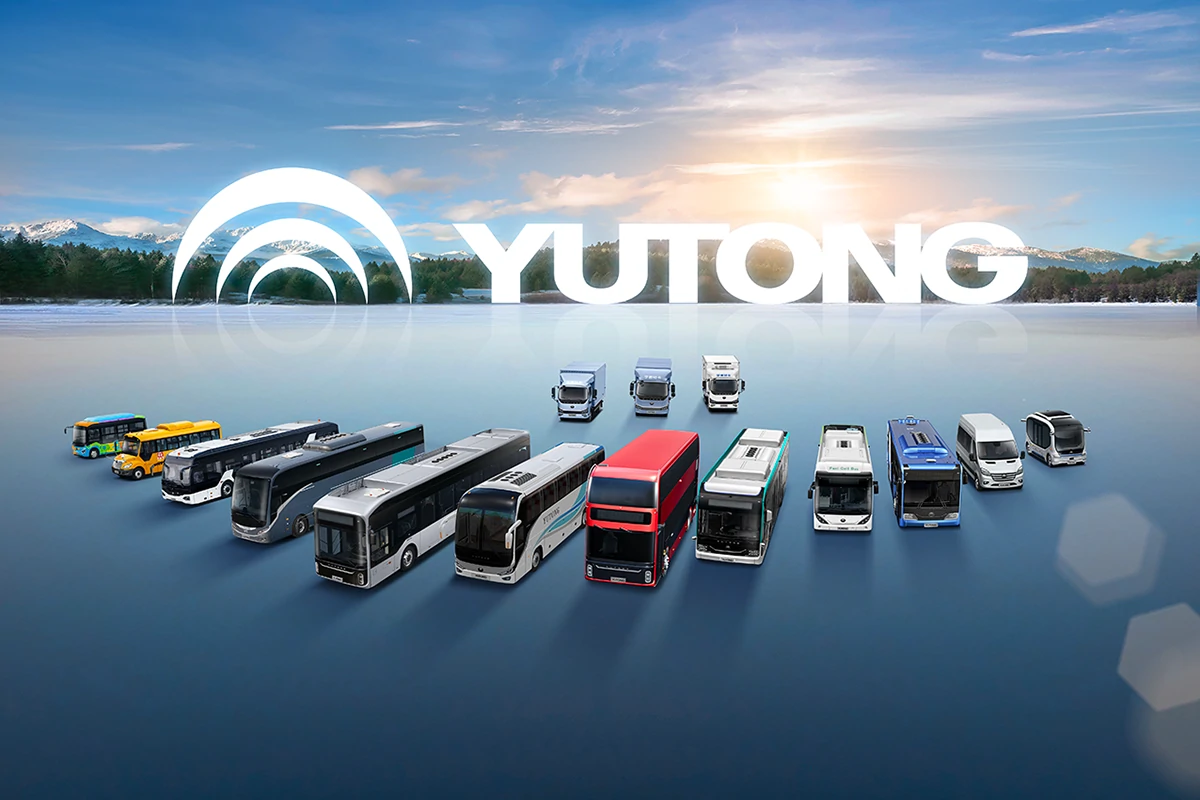
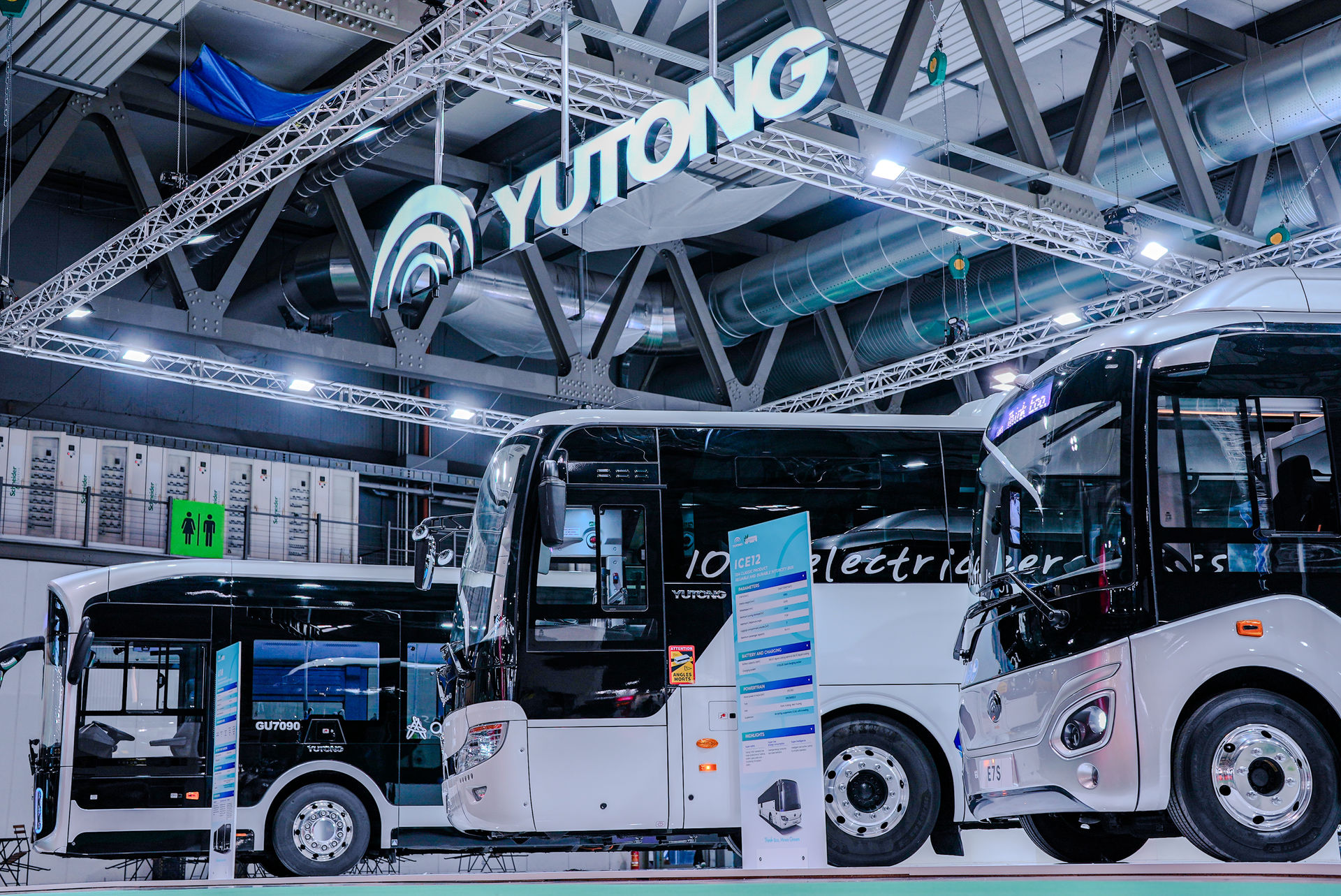
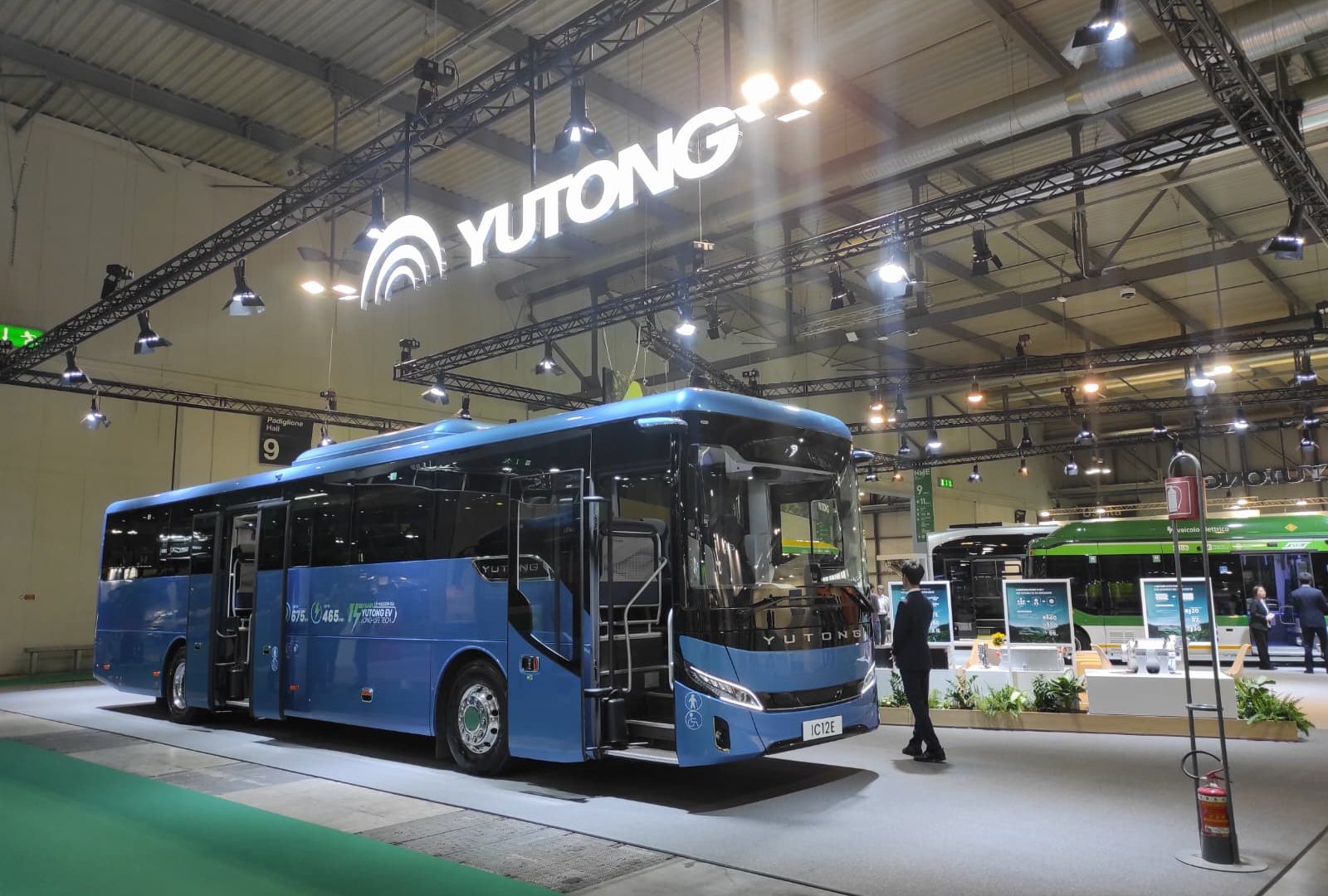
There's a particular irony in watching a company master the flat, predictable asphalt of European public transport while struggling on the uneven terrain of industrial ambition. Yutong, the Zhengzhou-based giant whose electric buses now thread through the streets of Oslo, Paris, and Copenhagen, has spent years nurturing a second identity through Yutong Heavy Industries — a subsidiary whose reach extends into mining trucks, sanitation vehicles, and offroad machinery. That division, however, is not the one making headlines for the right reasons.
Recent financial disclosures paint a starkly bifurcated portrait: the parent company's core bus business draws analyst confidence and a maintained "Buy" rating from Soochow Securities, while the heavy-industries arm reported net profit attributable to shareholders of just RMB 144 million for the first three quarters, a year-on-year decline of 23.16%. The offroad dream, it seems, is idling.
The Precision of the European Campaign
To understand the divergence, one must appreciate the precision with which Yutong has conquered Europe's electric bus market. The debut of the U18 BRT in Norway — an 18.7-metre articulated behemoth carrying up to 704 kWh of battery capacity and accommodating 125 passengers — is not the work of a company dabbling. It is the product of a methodical, decade-long campaign to pair Chinese manufacturing scale with European certification standards, local service infrastructure, and the patient cultivation of institutional trust.
The opening of Yutong's first comprehensive service centre in Europe, and a dedicated facility in Norway for repair, testing, parts, and training, signals a company that understands the difference between selling a product and sustaining a market. The deployment of eight electric coaches with Blaguss and FlixBus on the Vienna–Bratislava corridor extends that logic into intercity operations.
Where the Bus Playbook Fails
Yet the same discipline has not translated to the offroad and heavy-industry portfolio. Where the bus division benefits from a clear regulatory tailwind — European cities legislating diesel out of existence, public procurement budgets bending toward electrification — heavy industry answers to a different rhythm. Mining and construction demand is cyclical, capital-intensive, and dominated by entrenched incumbents with decades of dealer networks and residual-value certainty.
Yutong Heavy Industries competes in a segment where the customer buys on lifetime cost, uptime guarantees, and the resale value of a machine that will be thrashed for a decade. These are not the metrics on which a challenger from Zhengzhou can yet claim superiority.
The Financial Fault Lines
The financial picture at group level reflects this tension. Yutong Bus recorded an earnings miss, with nine-month net profit down 3.3% year-on-year and third-quarter attributable profit and revenue both lower. Analysts are updating their numbers, and market commentary has begun to flag that EU rules and overseas-strategy uncertainty could pressure valuation.
Even as StillBrook describes the bus business as a "hidden gem," the heavy-industries drag and the broader earnings softness complicate the narrative. A company cannot indefinitely subsidise a capital-hungry industrial venture with the margins of a bus business that is itself facing margin compression.
The Scrutiny Factor
There is also the matter of scrutiny. Norway's discovery of a genuine cyber risk in bus systems — a finding that, notably, did not implicate Chinese origin — illustrates the heightened attention now trained on connected commercial vehicles. For Yutong's European bus operations, this is a manageable reputational and regulatory exercise, met with service centres and transparency. For an offroad vehicle operating in a mine or on a construction site, the cybersecurity and data-sovereignty questions are thornier still, entangled with critical infrastructure and national-security sensitivities that no amount of battery capacity can resolve.
None of this is to suggest Yutong should abandon heavy industry. The company's engineering depth is real, and the electrification of mining and port equipment is a genuine long-term opportunity. But the strategic asymmetry is unmistakable. The bus division succeeds because Yutong built the ecosystem — the service centres, the route partnerships, the certification expertise — before demanding market share. The offroad division has yet to demonstrate that same patient architecture, and the numbers are beginning to say so. Until Yutong applies to its industrial ambitions the same granular, infrastructure-first discipline that won it Norway, the heavy-industries arm will remain the uneven ground on which a flat-road specialist struggles to find its footing.