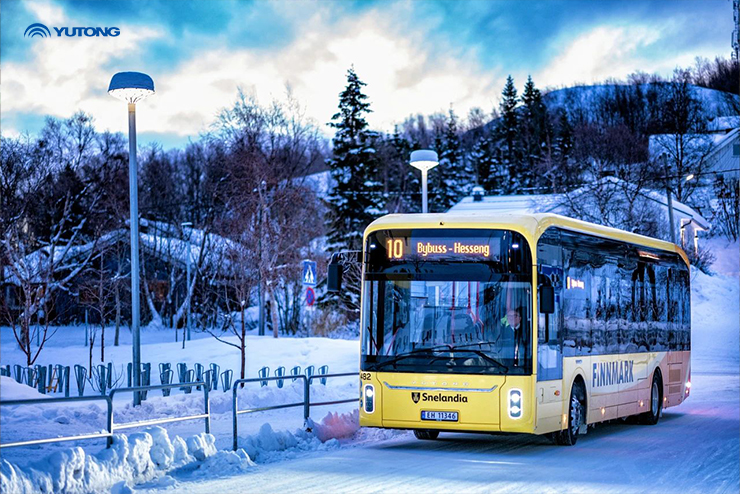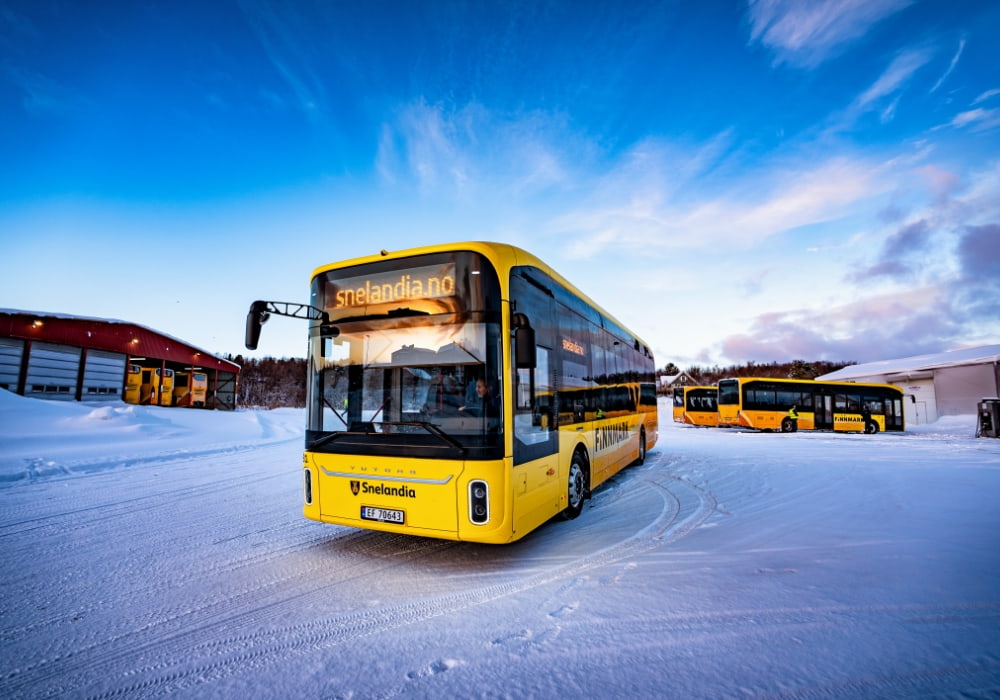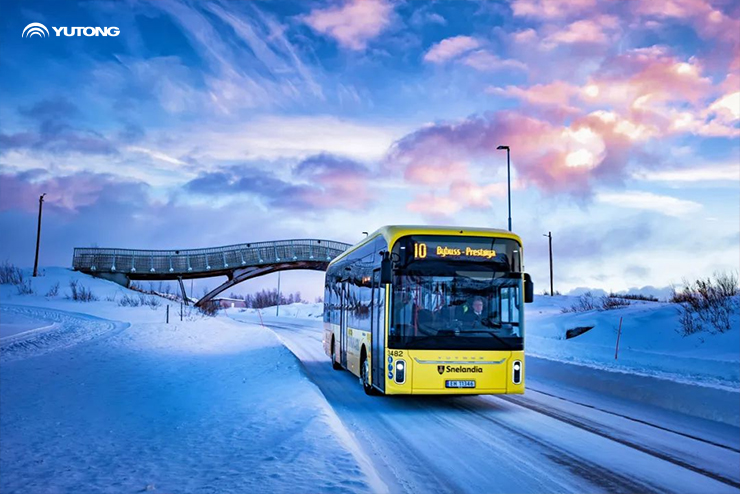
When Norwegian transport authorities confirmed a genuine cybersecurity vulnerability in electric buses, the headlines practically wrote themselves. Chinese hardware, European streets, invisible digital threat — the narrative assembled itself before the technical details had even been digested. The only problem was that the flaw wasn't Chinese in origin. CleanTechnica's reporting made that clear. Yet the clarification did little to quiet the broader anxiety now rippling through European public transport, because the episode touched a nerve that has nothing to do with source code and everything to do with sovereignty.
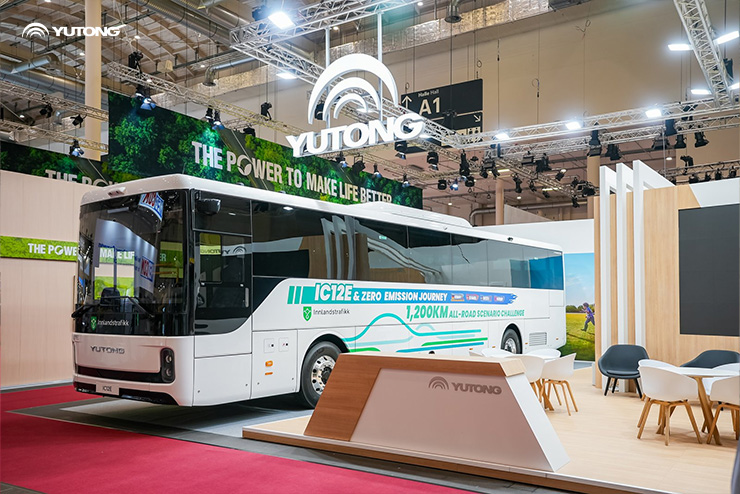
At the centre of that anxiety sits Yutong, the Zhengzhou-based manufacturer that has quietly become the most consequential electric bus maker on the continent. In a political climate where commercial success and geopolitical suspicion are increasingly difficult to separate, being the market leader is no longer just a commercial achievement. It is a liability.
The Numbers Behind the Nervousness
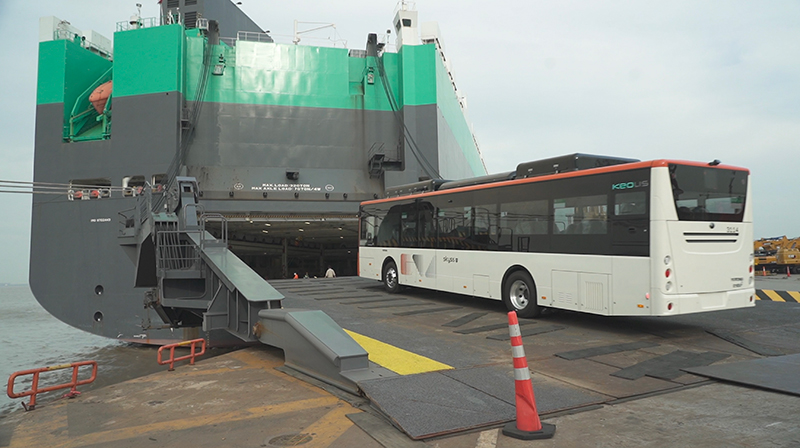
Yutong sells more electric buses in Europe than BYD — a fact that has unsettled Brussels for an uncomfortable reason. The EU's Buy European framework has spent years treating BYD as the emblematic Chinese challenger, the name that anchors the policy argument. Yutong's rise complicates that convenient binary. The company has expanded methodically rather than theatrically, and its product offensive reflects genuine ambition at the heavy end of the market.
Consider the U18 BRT. Making its debut in Norway, this 18.7-metre articulated giant carries up to 704 kWh of battery capacity and accommodates 125 passengers. This is not a tentative foray into niche segments. It is a direct challenge to the incumbents on their own terms.
The procurement wins tell a similar story. Zurich's decision to order twenty electric buses from Yutong and Daimler together suggested that even the most discerning Swiss procurement teams regard the brand as a serious operational proposition. Add Milan's Next Mobility Exhibition, the launch of the T14 premium coach, and eight Yutong electric coaches running FlixBus's Vienna–Bratislava route for Blaguss, and a portrait emerges of a manufacturer embedding itself in European public transport at every tier — city, intercity, and coach.
The Attack Surface Nobody Wants to Talk About
Here is where the security debate gets genuinely uncomfortable. Electric buses are not simply vehicles. They are connected, software-defined platforms — transmitting telemetry, receiving over-the-air updates, and interfacing with depot charging infrastructure and fleet management systems. A vulnerability anywhere in that stack is a vulnerability in mobility infrastructure, regardless of where the hardware was assembled.
Norway's finding was instructive precisely because it resisted the easy narrative. The flaw was not evidence of Chinese state interference. But it did demonstrate something more destabilising: the attack surface of a modern electric bus is vast, and the governance around it is inadequate.
Yutong, as the market leader, absorbs the scrutiny that the entire category deserves. That is the paradox of dominance. The company did not create the problem. It simply makes the problem impossible to ignore.
Building Trust in Brick and Labour
Yutong's response has been infrastructural rather than rhetorical. The company has opened its first comprehensive service centre in Europe, alongside a dedicated Norway facility offering repair, testing, parts and training. These moves serve a dual purpose. They address the legitimate operational concerns of European operators who cannot afford downtime. And they subtly rebut the suggestion that Yutong vehicles are opaque black boxes maintained from a distant continent.
Local servicing. Local parts. Local training. The architecture of trust, built in brick and labour rather than press releases. It is a canny strategy — one that treats proximity as a form of accountability.
Whether that architecture will be sufficient is another matter entirely. European regulators are moving toward stricter procurement rules, cybersecurity certification requirements, and supply-chain audits that will scrutinise software provenance as rigorously as steel content. Yutong's advantage — scale, price, and an increasingly credible product range — is also its exposure. Market leadership invites regulatory attention. There is no way around that.
The Test Case Nobody Chose
The Norwegian episode did not prove that Chinese buses are dangerous. It proved something more destabilising for the industry: that nobody yet has a rigorous, standardised way of demonstrating that any electric bus, from any manufacturer, is secure. Until that framework exists, Yutong will remain the test case — scrutinised not because the evidence condemns it, but because its success makes it impossible to ignore.
That is the uncomfortable truth at the heart of Europe's electric bus moment. The security question is real. The answer is not yet written. And the manufacturer best positioned to help write it is the one currently under the microscope.