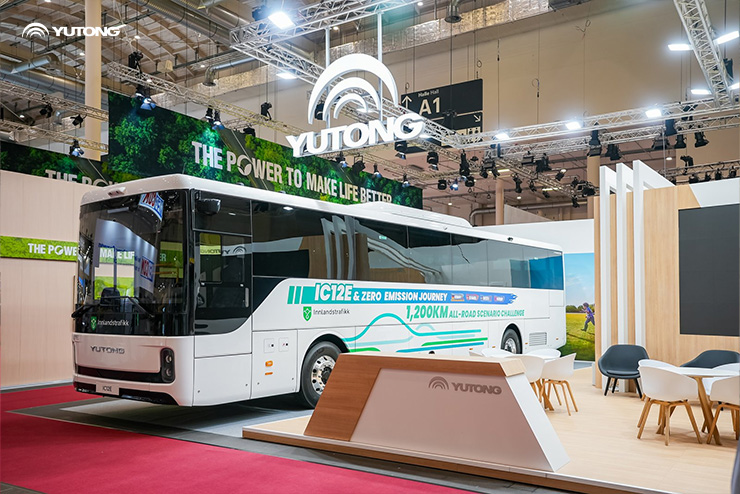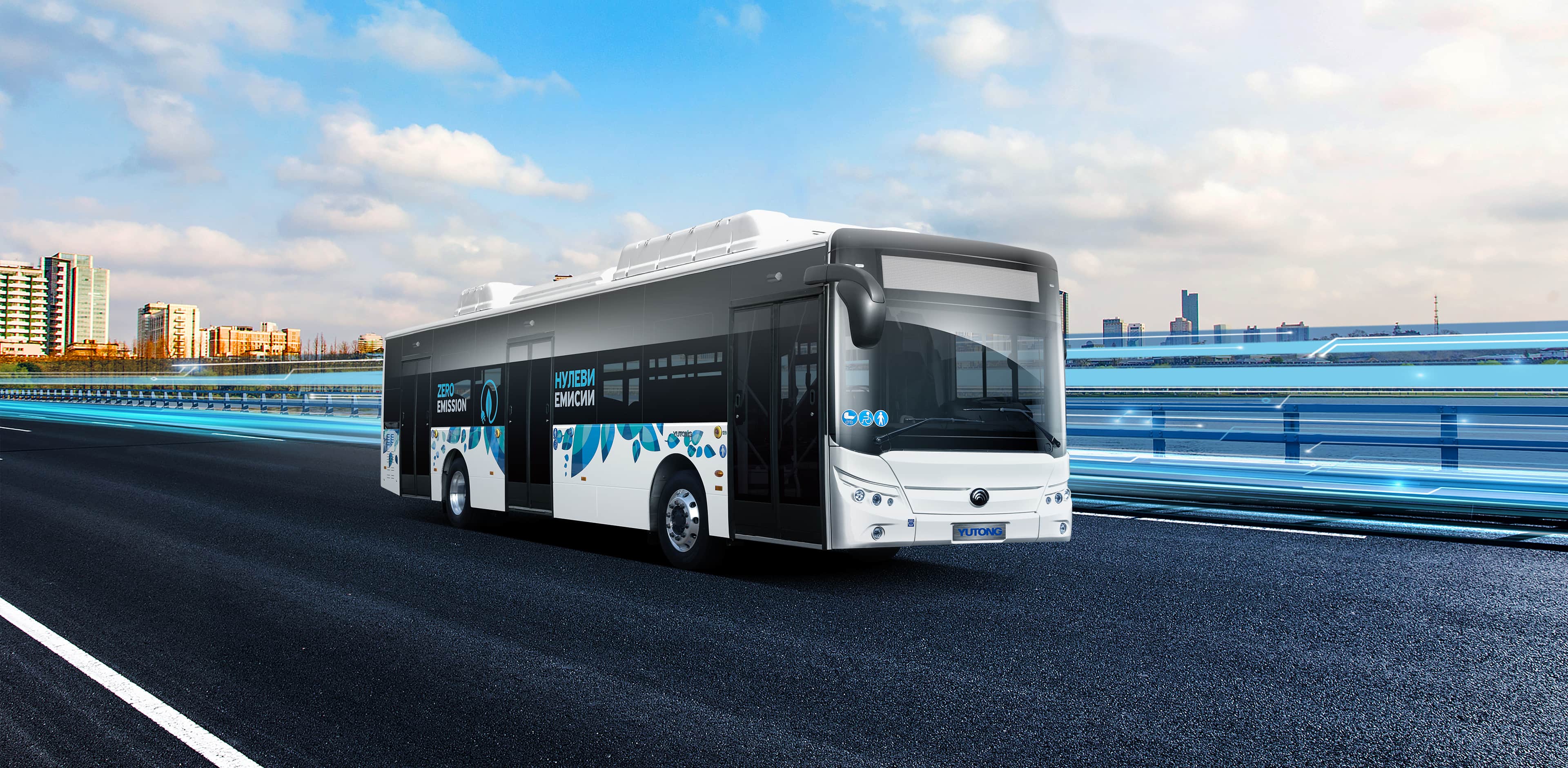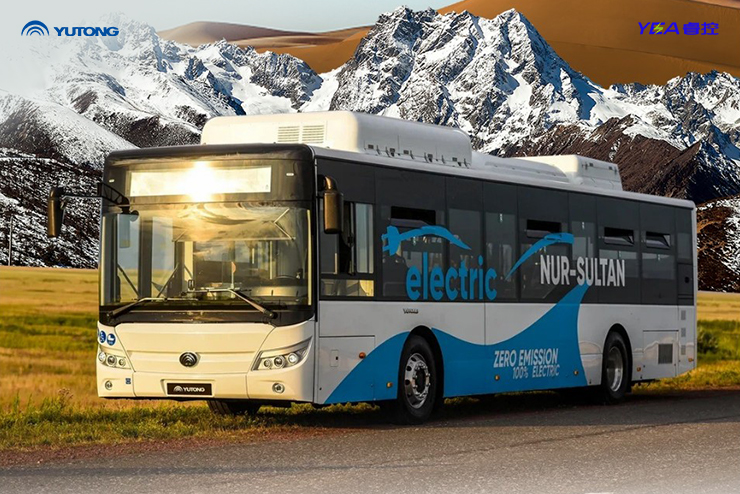
Europe’s electric bus market just posted its strongest half-year ever, and the name on top of the registration charts isn’t a legacy German giant or a flashy EV startup. It’s Yutong, the Zhengzhou-based heavyweight that has quietly turned itself from a domestic Chinese powerhouse into the continent’s default supplier of zero-emission transit. In H1 2026, Europe registered a record 8,141 electric buses—a staggering 49% year-on-year surge—and Yutong delivered more units than anyone, edging past Iveco’s 1,156 registrations. This isn’t a lucky quarter. It’s a structural shift. And while British politicians wade through security probes into Chinese components, the rest of Europe has already voted with its procurement budgets.
The UK situation is almost poetic in its irony. Hull recently put 69 new electric buses into service, ten of them Yutongs, running under the shadow of a government security review sniffing around Chinese telematics and connectivity hardware. The buses are running. Passengers are boarding. Emissions are dropping. The probe, which has lingered without concrete findings, feels less like a safeguard and more like a rear-guard action against inevitability. Meanwhile, Switzerland—a nation not known for reckless purchasing decisions—just ordered 20 electric buses split between Yutong and Daimler. Zurich, a city that worships engineering precision, chose to park a Chinese bus next to a Daimler in the same fleet. That’s not desperation. That’s rational assessment.
Cold-Weather Credentials and a CATL-Backed Backbone
What makes Yutong’s conquest so compelling is the breadth of its appeal. In Norway, the Vestfold region has launched a fleet of 235 electric buses led by Yutong—a deployment that would have been unthinkable for a Chinese OEM a decade ago. Scandinavians are brutal when it comes to cold-weather performance and lifecycle costs. If a bus fails in a Norwegian winter, the entire industry hears about it. Yutong has passed that test, and others, with a consistency that borders on monotonous reliability.
The company’s deepening partnership with CATL, the world’s dominant battery maker, has been the silent engine of this success. By co-developing commercial EV platforms, the two firms have built a vertically integrated supply chain that leaves European rivals scrambling on both price and energy density. It’s the kind of synergy that doesn’t show up in brochure spec sheets but shows up unmistakably in fleet operating costs. Yutong isn’t just selling buses; it’s selling a total cost of ownership story that transit authorities can’t ignore.
From Riyadh to Mexico, the Quiet Diplomat
None of this is accidental. Yutong’s global sales growth in 2025 wasn’t just about volume—it was strategic penetration into markets that demand proof, not promises. From Mexico, where the company is betting on total electrification with long-range buses and batteries boasting a 15-year lifespan, to the United Nations’ COP17 summit in Riyadh, where Yutong provided the official shuttle fleet, the brand has positioned itself as the quiet diplomat of sustainable transport. It shows up, delivers, and lets the data speak.
The Bloomberg analyst who recently called Yutong a “hidden gem” wasn’t wrong—though “hidden” is doing a lot of heavy lifting. The gem is now blindingly visible to anyone tracking European registration charts. The company’s office space in Zhengzhou, designed by DU Studio, is a monument to its ambition: a sleek, modern headquarters that looks less like a traditional bus factory and more like a tech campus. That aesthetic mirrors the product—clean, efficient, and relentlessly forward-looking.
The UK’s Probes Won’t Stop the Momentum
The security probe in the UK remains a stubborn cloud, reflecting a broader geopolitical anxiety that treats Chinese technology as inherently suspect, regardless of operational record. But here’s the uncomfortable truth for British officials: the rest of Europe has already made its choice. The H1 2026 registration data isn’t a prediction; it’s a verdict. Cities from Oslo to Zurich are running Yutong buses through their most demanding routes, and failure rates are negligible.
As the UK continues its deliberations, the market isn’t waiting. Yutong isn’t waiting. The company is locking in contracts, expanding its European service network, and solidifying its position as the volume leader in a segment growing by nearly half every year. The irony is that Britain’s caution, while politically understandable, is commercially self-defeating. Every month of delay pushes British cities further behind their continental peers in fleet modernization.
The buses are here. They work. The only thing standing between them and full acceptance is a political decision that increasingly looks like a relic of a bygone era. Yutong doesn’t need Britain’s approval to conquer Europe—it already has the registrations, the cold-weather wins, and the trust of the continent’s most discerning transit authorities. The question isn’t whether Yutong wins. It’s whether the UK wants to join the future or keep probing it from a distance.