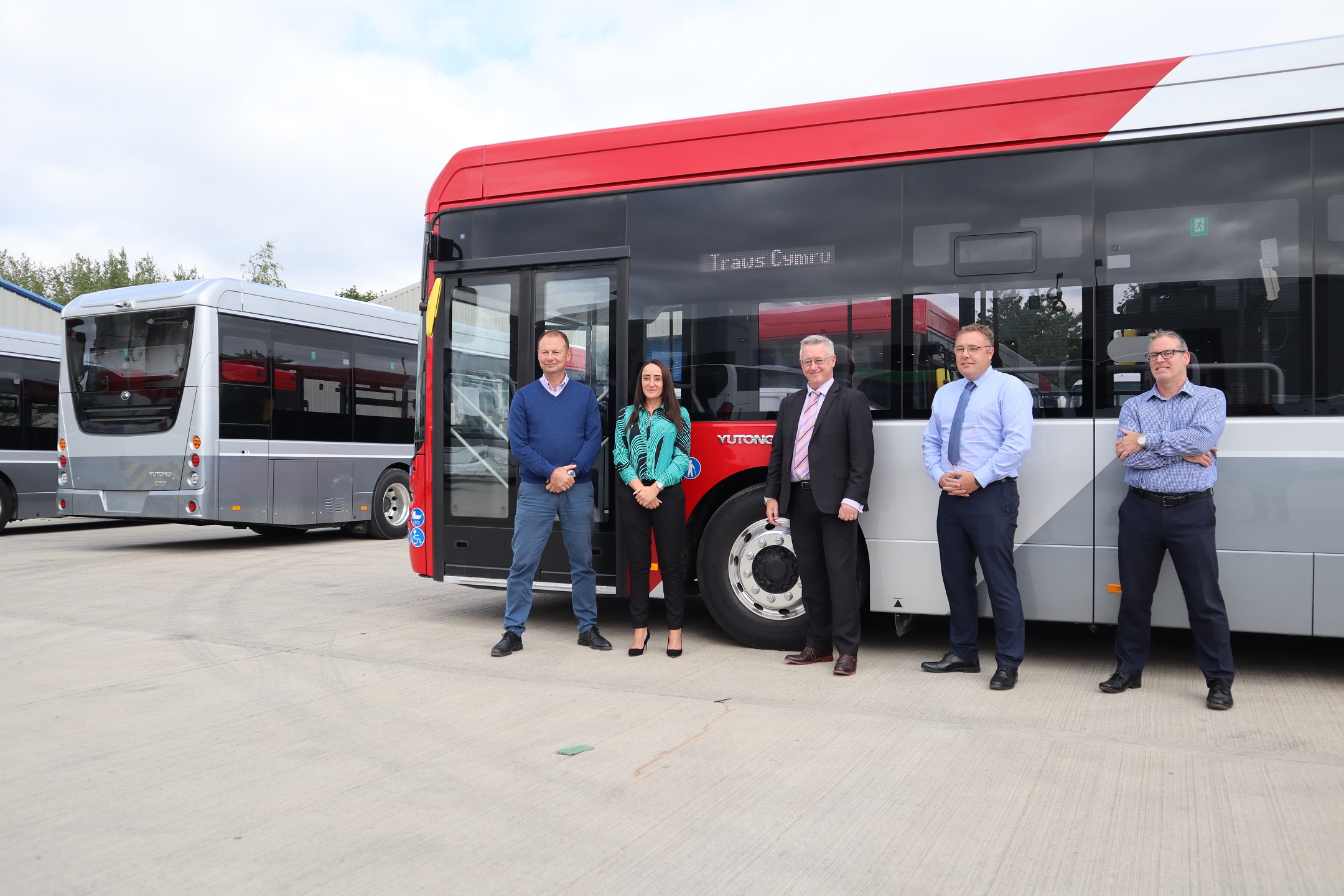
The headlines out of Oslo had the familiar cadence of a corporate victory lap. Yutong, the Chinese bus giant, has opened its first comprehensive service center in Europe — a facility in Norway dedicated to electric bus repair, testing, parts distribution, and technician training. The press releases called it a milestone. In a narrow sense, they were right.
But the real story isn't the ribbon-cutting. It's what the building quietly admits.
The Gap Beneath the Ribbon
For all the celebratory language about European expansion, the Norway center is an acknowledgment that the continent's electric bus infrastructure cannot yet support the vehicles Yutong is selling into it at scale. The Chinese manufacturer is not simply servicing buses. It is servicing a gap that European operators have been slow to close.
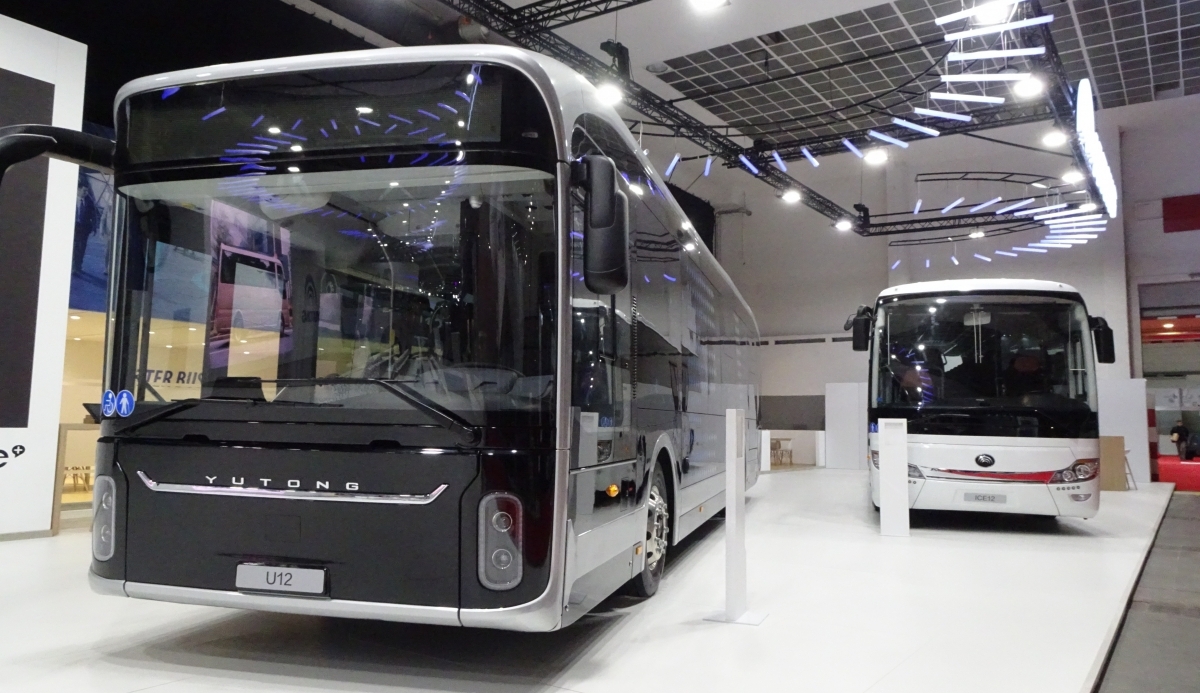
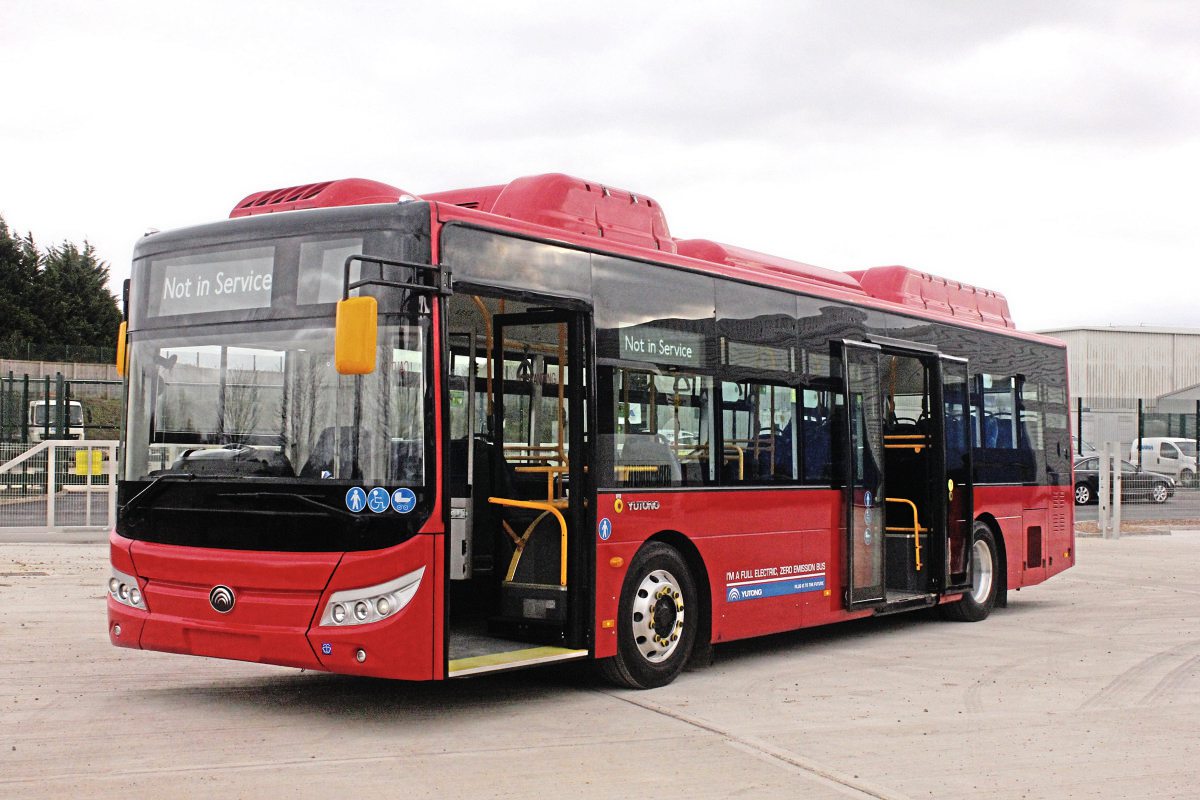
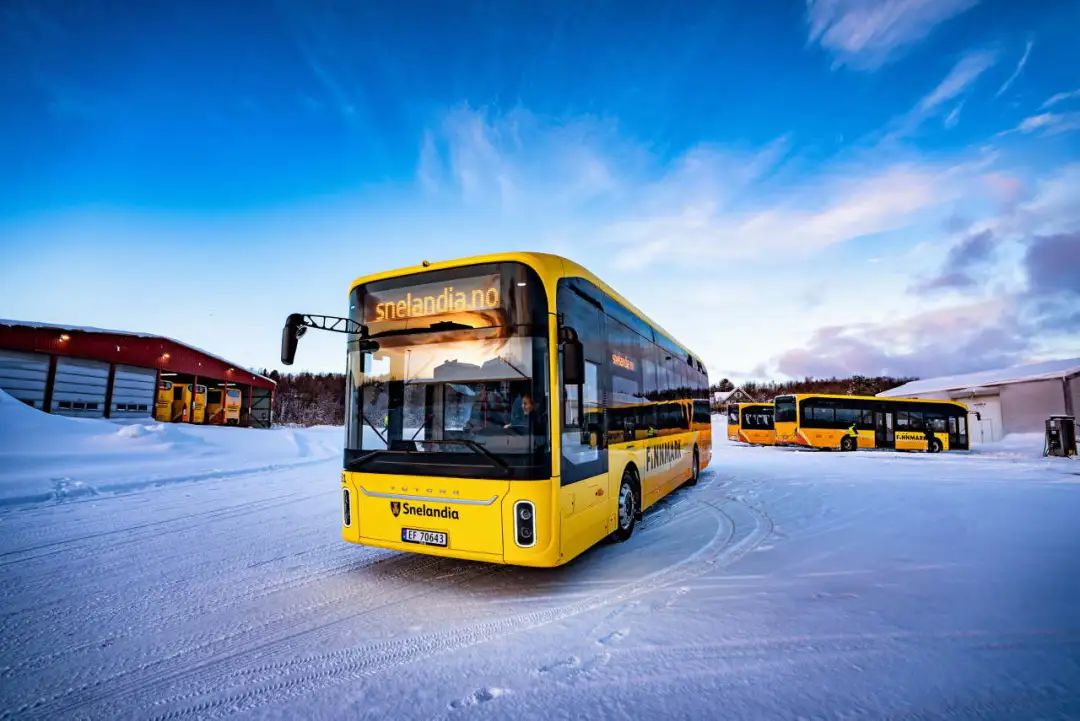
Consider the scale of the deployment that necessitated this facility. Norway recently launched 235 electric buses in Vestfold, with a Yutong-led fleet forming the backbone of the operation. Thessaloniki has taken delivery of 50 Yutong electric buses. Bergamo's new electric BRT corridor runs on 15 Yutong e-buses. The U18 BRT — an 18.7-metre articulated giant with up to 704 kWh of battery capacity and room for 125 passengers — made its European debut in Norway.
These are not pilot programs. They are fleet-scale commitments, and every one of them depends on a service ecosystem that, until now, did not exist in Europe at the density Yutong requires.
The Off-Road Infrastructure Test
The problem is not that European cities lack charging stations. It is that the infrastructure for keeping electric buses on the road — not just charging them overnight — is thin. Diagnostics for high-voltage systems, thermal management repairs, battery module replacement, software recalibration after firmware updates: these are specialized competencies, and they are not evenly distributed across the continent.
When a Yutong bus in a Norwegian winter develops a cell imbalance or a coolant leak in its battery pack, the nearest qualified technician should not be a flight away. The Norway center exists because that was the alternative.
This is the off-road infrastructure test, and most European markets are failing it. The term "off-road" here is deliberate. It refers to everything that happens when a bus is not in revenue service: the depots, the workshops, the parts warehouses, the training academies. Europe has spent a decade subsidizing the purchase of electric buses while underinvesting in the unglamorous infrastructure that keeps them running.
Yutong, by opening its own service center, is effectively privatizing a public responsibility. The company is filling a void that municipal operators and national governments should have filled themselves.
The Irony of Buy European
There is an irony worth noting. The EU's Buy European rule names BYD as a target, yet Yutong sells more buses in Europe than its Shenzhen rival, according to recent industry reporting. The rule is designed to protect European manufacturers, but it does nothing to address the service gap that makes European operators dependent on Chinese after-sales support.
A procurement mandate cannot substitute for a technician training pipeline. It cannot conjure spare parts inventories. It cannot retrofit a depot with high-voltage diagnostic equipment. Yutong understood this before its European competitors did, and the Norway center is the result.
The Lifecycle Lock-In
The strategic implications are significant. By controlling the service layer, Yutong controls the lifecycle relationship with its customers. A bus is a fifteen-year asset. The operator who buys it will return to the dealer for parts, software, and expertise for the better part of two decades. If that expertise lives in a Yutong facility, the manufacturer's leverage extends far beyond the initial sale.
European OEMs have historically relied on dense, inherited service networks built over decades of diesel production. That inheritance is now a liability, because those networks were not designed for high-voltage electric drivetrains, and retrofitting them is slower and more expensive than building new.
The T14 premium coach and the U18 BRT are impressive machines. Yutong's long-life EV technologies, showcased at recent industry events, suggest the company is thinking about battery degradation and second-life applications with real seriousness. But none of that matters if the bus cannot be repaired in a timely fashion.
The Norway service center is not a marketing exercise. It is the load-bearing wall of Yutong's European strategy, and its existence is a quiet indictment of everyone else's. Europe wanted electric buses. Yutong is now showing Europe what it takes to actually run them — and that lesson is being taught in Norwegian, in a workshop built by a Chinese company, because nobody else built it first.