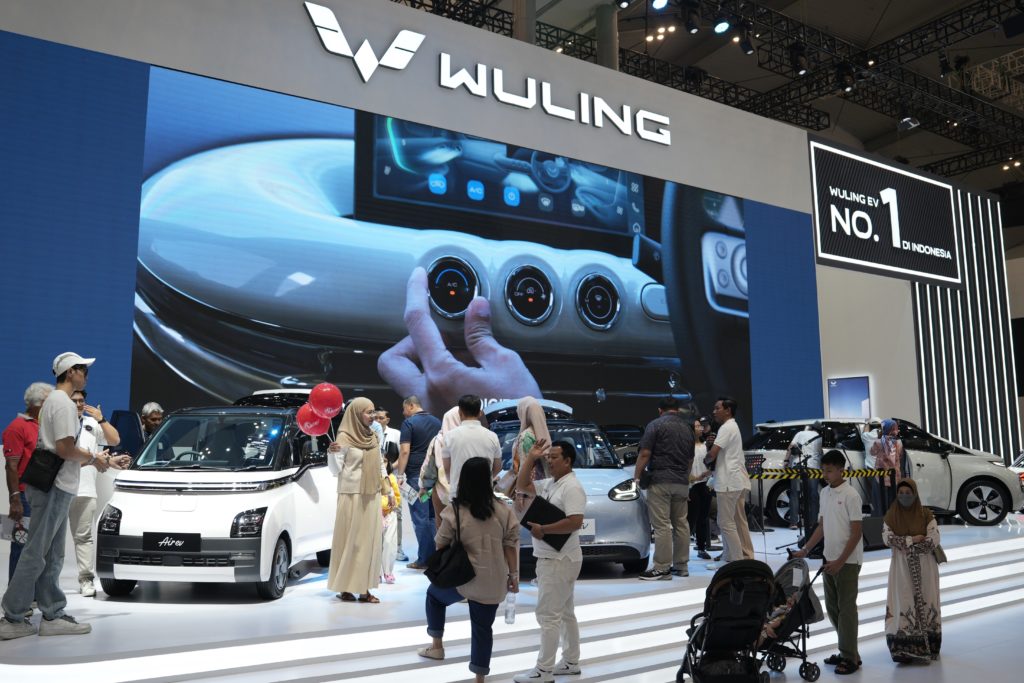
There is a peculiar thrill in watching a budget automaker outmaneuver the establishment, and no brand is currently scripting a more compelling playbook than Wuling. While the automotive world obsesses over the latest luxury EVs from Stuttgart or Silicon Valley, the SAIC-GM-Wuling joint venture is methodically executing a global strategy that blends aggressive pricing, regional localization, and an uncanny ability to pivot on a dime. The latest evidence isn’t a flashy concept car reveal, but a series of pragmatic, almost surgical moves that reveal a masterclass in emerging-market domination. The news out of Malaysia and Saudi Arabia this week isn’t just corporate shuffling; it is a declaration of intent that the future of affordable electric mobility will be defined not by premium badges, but by volume and accessibility.
This is a brand that understands the dirty secret of the EV revolution: it won’t be won in showrooms in Munich or Palo Alto, but in the bustling, price-sensitive megacities of the global south. And Wuling is arriving there with a loaded arsenal.
The Malaysian Chess Move
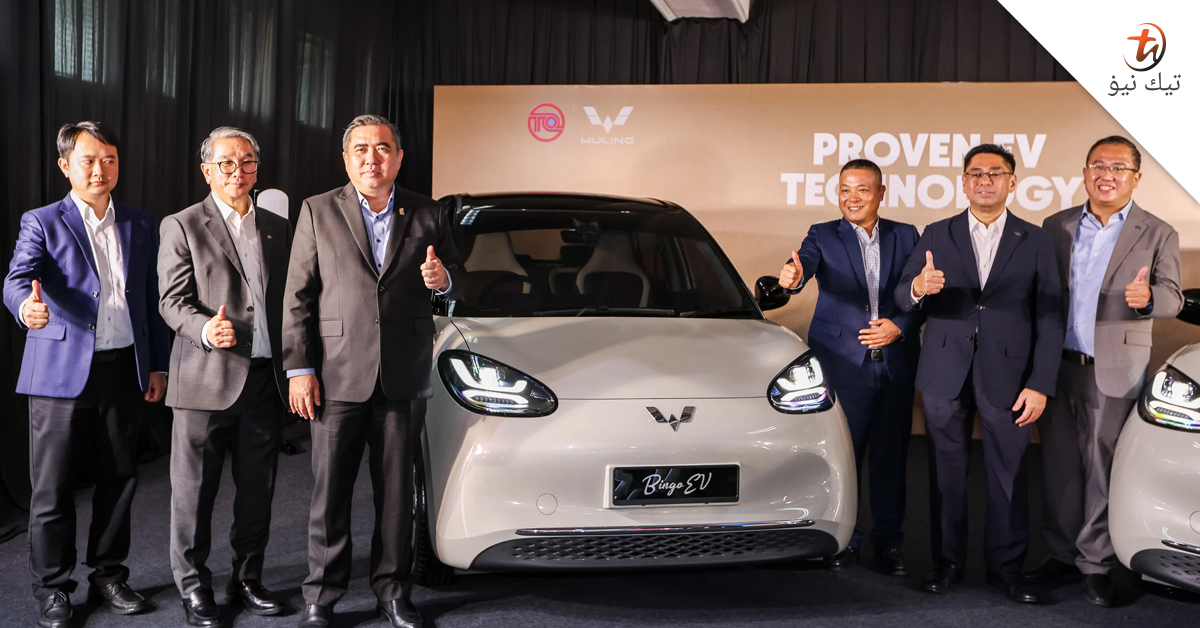
Consider the Malaysian front, where TQ Wuling has slashed the price of the Bingo EV by a sharp 10 percent to RM56,800. On the surface, this looks like a standard promotional stunt timed to Malaysia Day. But look closer, and you see the calculated aggression of a brand that refuses to concede ground. The Bingo is not just being discounted; it is being repositioned as the default smart-city conveyance for a rapidly motorizing Southeast Asian middle class.
This price point undercuts virtually every rival with comparable range and tech, forcing legacy players to scramble. Wuling understands that in these markets, the first purchase often dictates brand loyalty for a generation. By making the Bingo the obvious, rational choice, they aren’t just selling a car; they are planting a flag in the consumer psyche, ensuring that when these buyers eventually upgrade, they look first to the Wuling showroom. It’s a long-game strategy that prioritizes mindshare over margin, and it’s ruthlessly effective.
From Humid Tropics to Desert Heat
Yet, the brand’s ambition stretches far beyond the humid tropics of ASEAN. The recent signing of a cooperation agreement with a Saudi distributor signals a deliberate push into the Gulf, a market with unique demands for heat tolerance and a growing appetite for EV adoption. It’s a bold juxtaposition: a Chinese budget EV navigating the opulent, petrol-soaked landscape of the Kingdom.
But Wuling’s strategy here is not to compete with the Range Rovers and Mercedes G-Wagons that dominate the boulevards of Riyadh. Instead, they are targeting the commercial sector—the delivery fleets, the urban logistics, the municipal services—where total cost of ownership, not badge prestige, is the lingua franca. Pair this with reliable reports that General Motors is actively considering rebadging the Wuling Bingo Pro as an entry-level Chevrolet for North America, and the picture becomes staggeringly clear: GM is finally leveraging its Chinese joint venture as a source of genuine, low-cost EV engineering, a move that could redefine the entry-level market in the Americas.
The Numbers Behind the Narrative
The scale of this operation is staggering, yet it remains underreported. Wuling’s global sales in August alone reached 130,870 units, with cumulative overseas sales now exceeding 1.6 million. These are not vanity numbers. They represent a logistics and supply-chain triumph, underpinned by a capacity to localize production—as evidenced by the planned Mexico shift to local output.
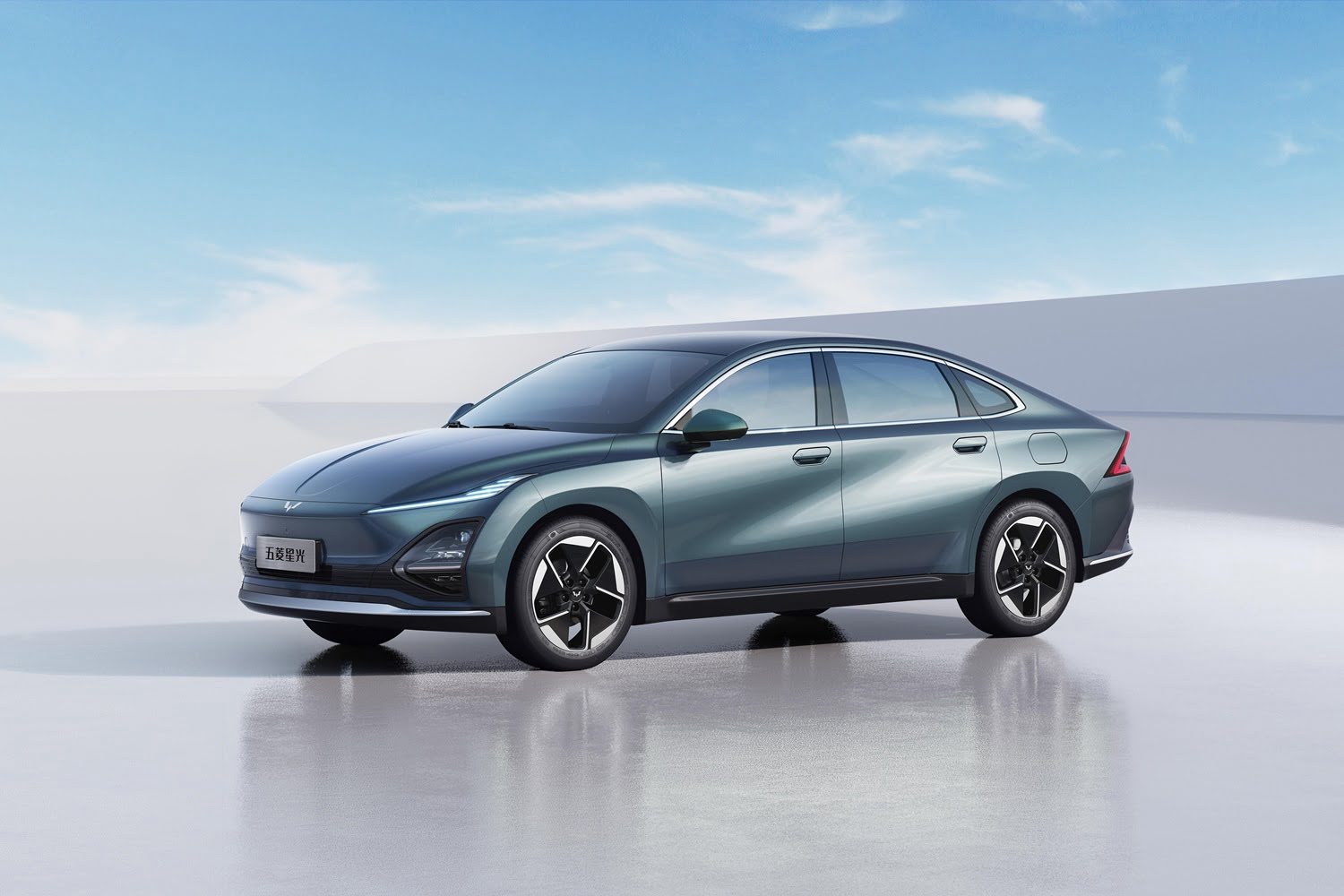
While Western automakers are retreating from the low-margin segments, Wuling is doubling down, embracing the complexity of diverse markets from the Malaysian peninsula to the Saudi desert. The forthcoming Starlight M MPV and the aggressive Starlight L PHEV crossover with its Black Warrior Edition further flesh out a lineup that refuses to be pigeonholed. This isn’t a one-trick pony; it’s a full-spectrum assault on mobility for the masses.
The Philosophy of the Many
Wuling is not just selling cheap cars; it is selling a pragmatic vision of mobility tailored to the realities of the global south. And if GM’s latest signed projects are any indication, the rest of the world is about to get a very affordable lesson in how to win the future of the automotive industry by selling to the many, not the few.
In an era where the industry’s loudest voices chase ever-higher performance figures and ever-thicker digital dashboards, Wuling’s playbook is refreshingly analog in its clarity: build the right tool for the right market at the right price, and let the volume speak for itself. It’s not the sexiest philosophy in the business, but it might just be the smartest. And as the deserts of Saudi Arabia and the highways of Malaysia fill with Bingo EVs, it’s one that the established order would be wise to study closely.