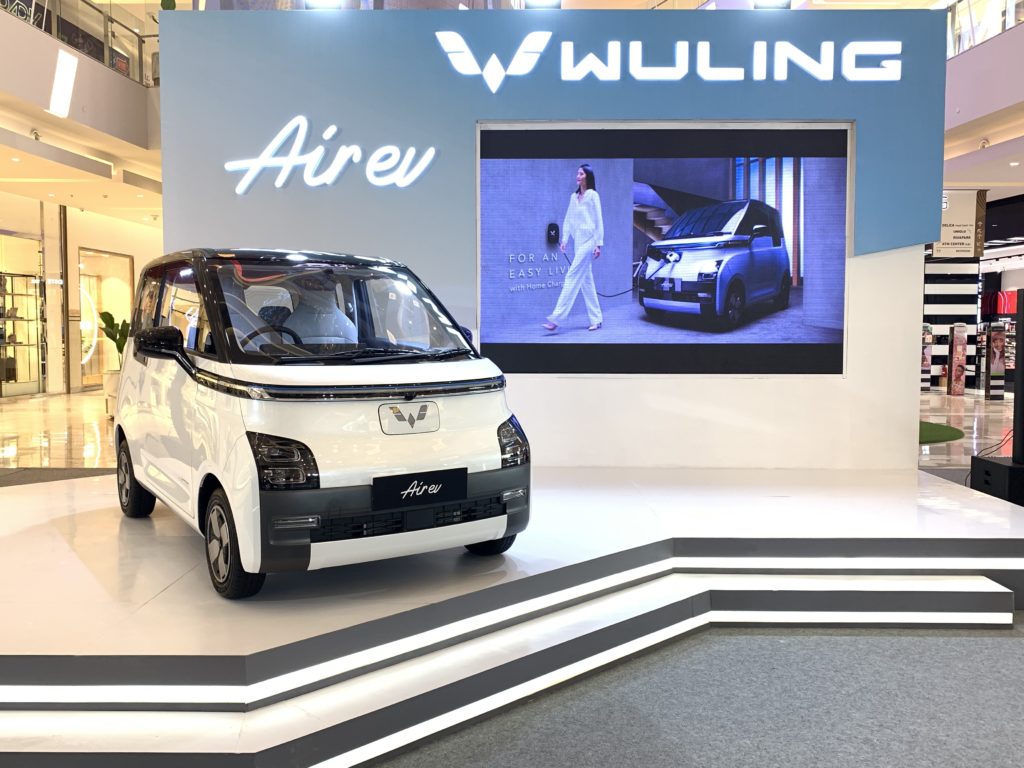
For years, the industry has treated affordable electric vehicles as a riddle wrapped in a compromise — a segment where you could have scale, or profitability, or brand credibility, but rarely all three at once. Wuling has just answered that riddle with a number that ought to make boardrooms from Detroit to Wolfsburg sit up: the Bingo EV family has surpassed 800,000 units sold. No qualifiers, no asterisks. This is commercial validation of a thesis most Western manufacturers have been reluctant to test — that a sharply executed, sharply priced EV can generate genuine volume in markets conventional wisdom long ago wrote off.
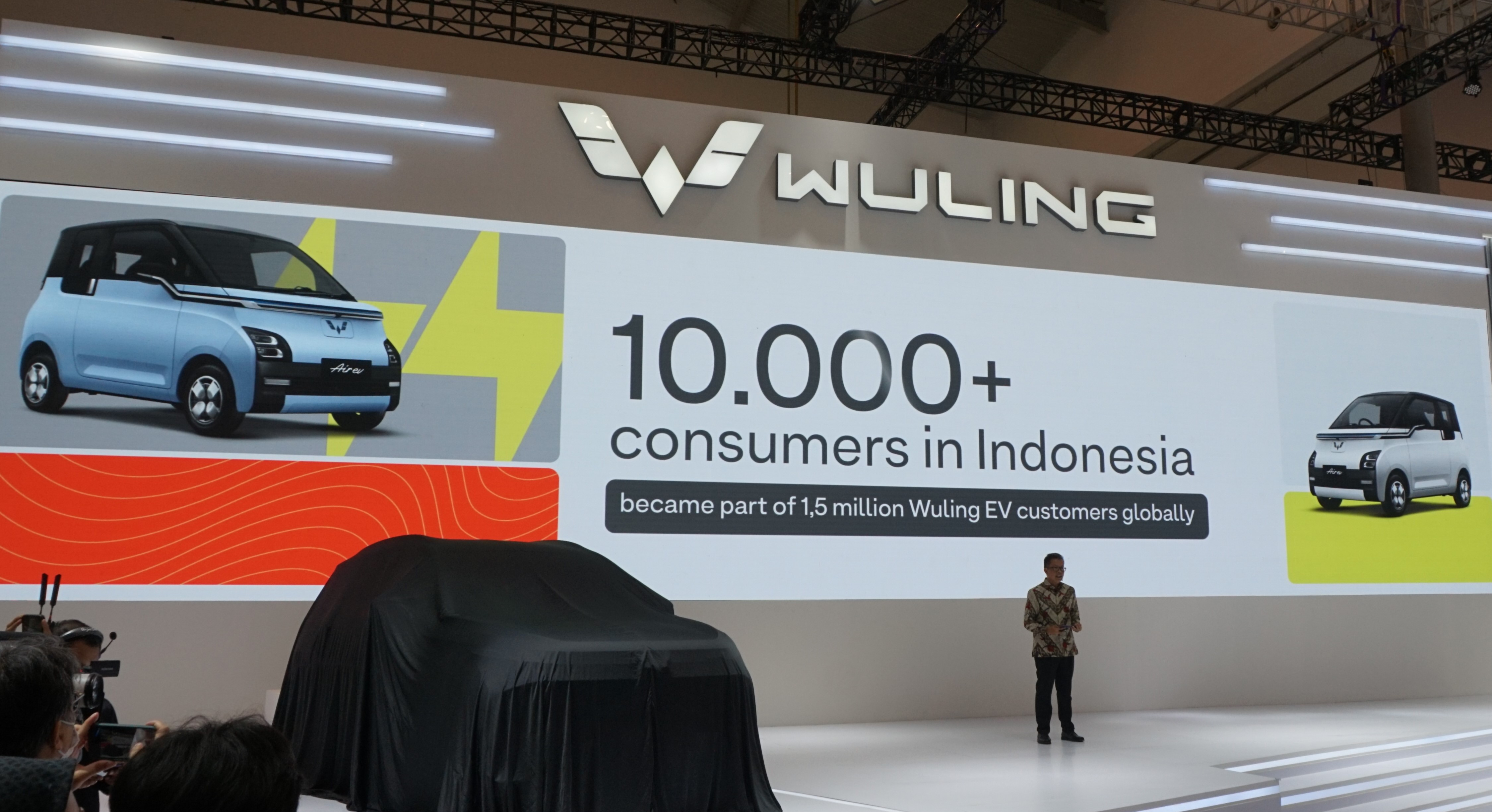
What makes the Bingo story worth more than a headline figure is the velocity and breadth behind it. The model has become a cornerstone of SAIC-GM-Wuling's global portfolio, contributing to group-wide sales that topped 1.058 million units in the first nine months of the year alone. And crucially, the Bingo didn't get there by owning a single protected home market. It has scaled across Southeast Asia — Wuling's Vietnam lineup now runs to the Macaron, Bingo, Grango and Darion — and it has begun to draw serious attention from GM's global leadership as a potential template for entry-level electrification elsewhere.
From Regional Success Story to Global Strategic Asset
That last point is the one with real gravity. Reports indicate GM is considering rebadging the Wuling Bingo Pro as an entry-level Chevrolet EV, with speculation stretching as far as North America. Whether or not that particular plan reaches production, the signal is unmistakable: a vehicle engineered and priced for the Chinese mass market is now viewed by one of the world's largest automakers as a credible instrument for democratising EV ownership in developed markets. The Bingo has crossed the threshold from regional success story to global strategic asset — a transition very few budget EVs have ever managed.
The Ecosystem Behind the Number
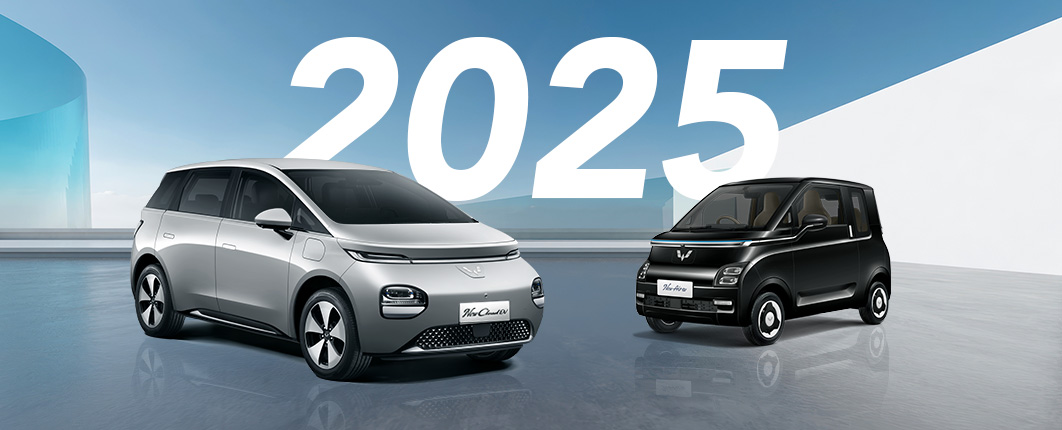
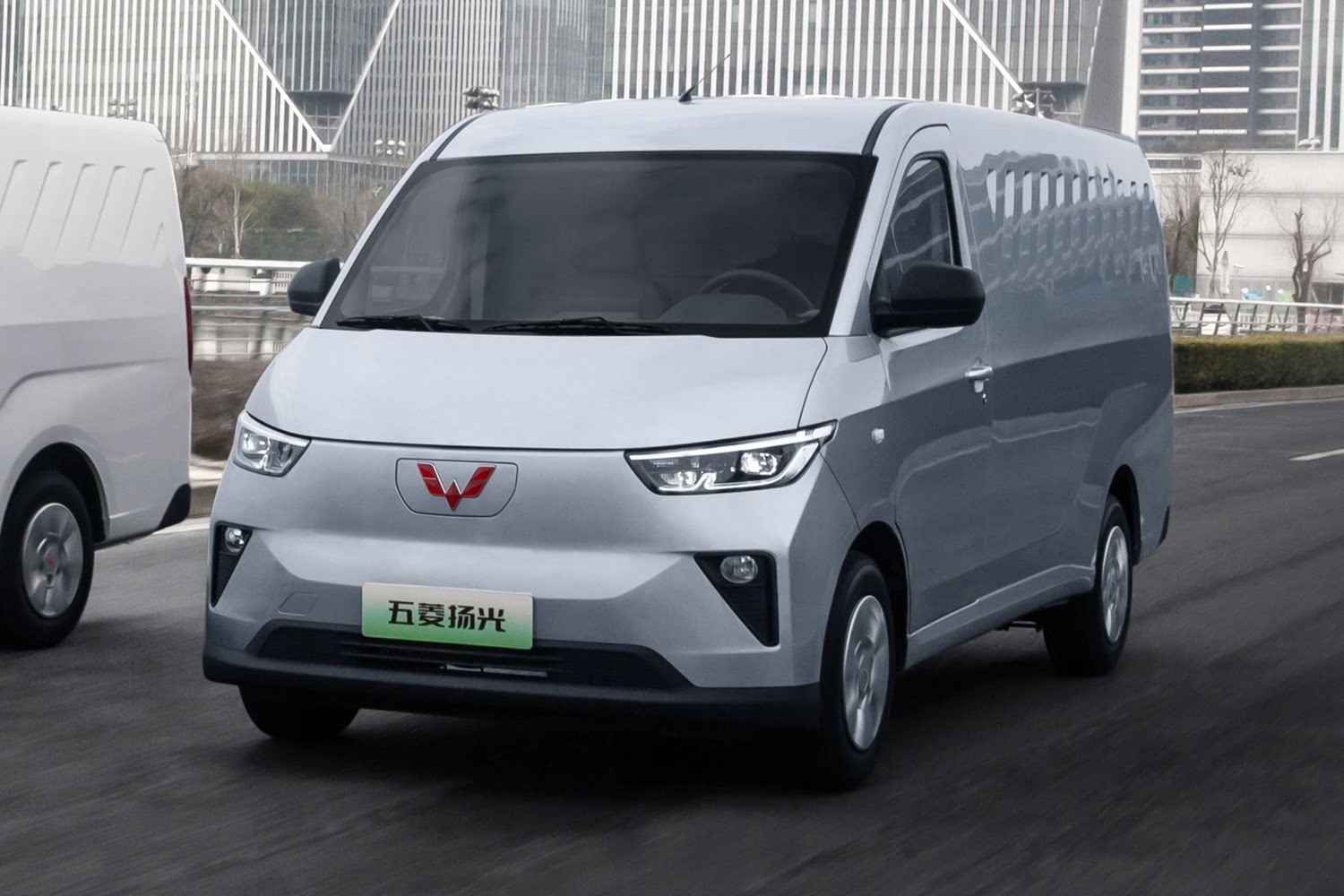
The broader Wuling ecosystem reinforces the pattern rather than resting on a single hit. The MINI EV, the brand's original urban runabout, recently celebrated its 2,000,000th unit built — a staggering figure that underscores just how deeply Wuling understands the economics of small, purpose-built electric mobility. The Starlight 730 has accumulated more than 70,000 units while holding the top spot in its segment, and the Starlight line keeps expanding with the Starlight L Galvanized Silver Edition and the newly unveiled Starlight M MPV. Read that lineup as a strategy rather than a catalogue: a methodical, layered product plan covering multiple price points and body styles without diluting the brand's core value proposition.
Deliberate Steps Into New Territory
Wuling's international ambitions are equally considered. The signing of a cooperation agreement with a Saudi distributor signals intent to penetrate markets where affordable electrification remains nascent, while the brand's rumoured reboot in the Philippines suggests a willingness to recalibrate rather than retreat when early market entries underperform — a discipline that separates serious global players from optimistic exporters. And the forthcoming collaboration with Huawei on intelligent vehicle technology shows Wuling isn't content to compete on price alone. It is preparing to layer in the software and connectivity features that increasingly define competitive parity, a sensible hedge against the moment when cheap alone stops being enough.
Why the Milestone Matters Beyond One Nameplate
The significance of the 800,000-unit Bingo milestone therefore extends well beyond a single badge. It demonstrates that the budget EV segment is not a charitable exercise or a regulatory obligation but a genuine growth engine — one with room for multiple nameplates, multiple markets and rising technical ambition. For manufacturers still hedging their bets on affordable electric mobility, Wuling offers a working blueprint: disciplined cost engineering, a clear-eyed understanding of what entry-level buyers actually need, and the patience to build scale market by market rather than chasing a single dramatic launch.
Strip away the sales charts and what remains is a coherent automotive philosophy — that electric mobility should be engineered to a price rather than priced to an aspiration. It is the same instinct that made the MINI EV a phenomenon and now carries the Bingo past 800,000 units, and it is why Wuling's quiet, methodical ascent deserves more attention than it gets. The question is no longer whether budget EVs can scale globally. Wuling has already answered it — and the industry would do well to listen.