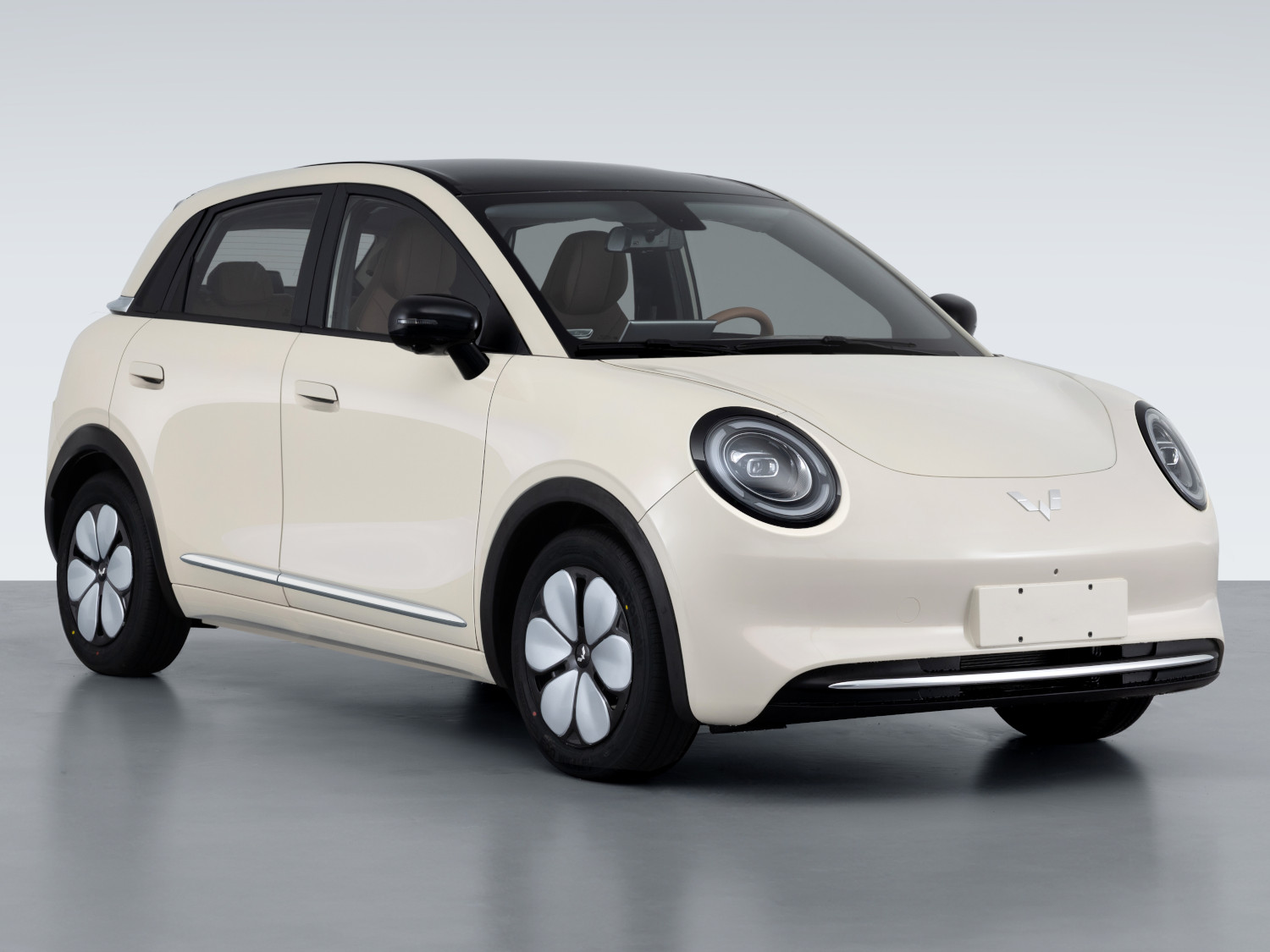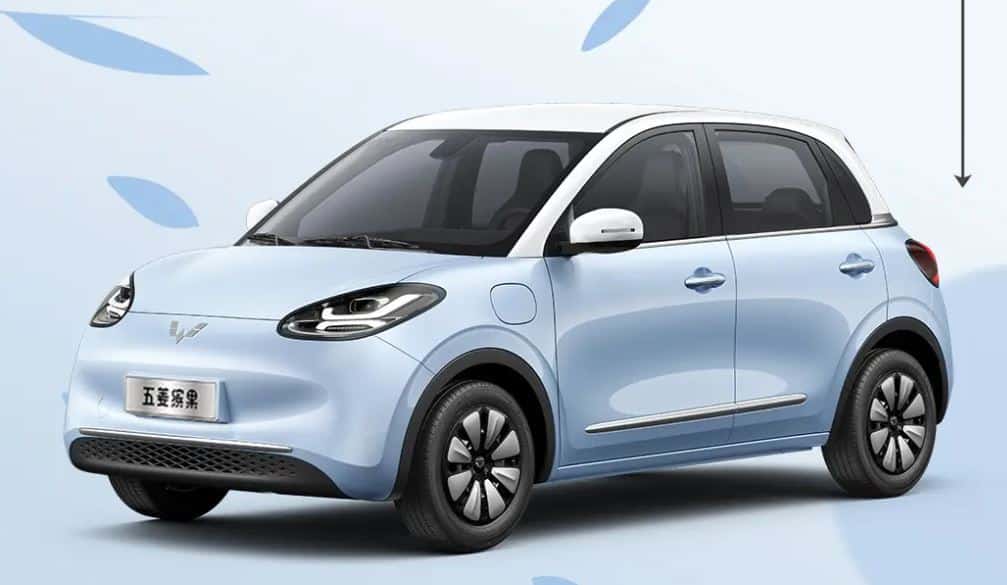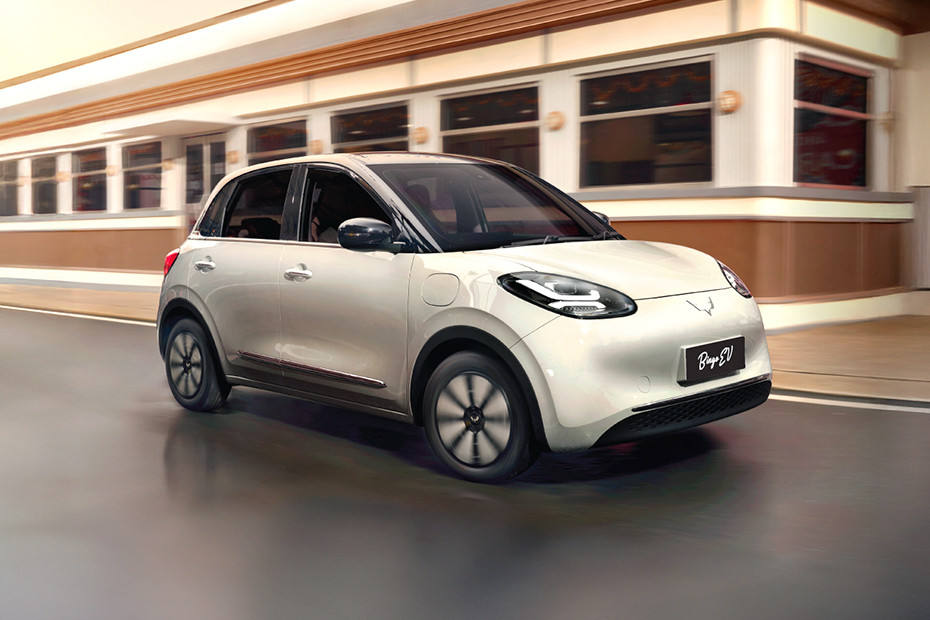
For decades, the sub-$20,000 electric vehicle has been the auto industry’s version of Bigfoot—spotted in blurry concept sketches, whispered about in boardrooms, and never quite materializing when the accountants run the numbers. Tesla promised one, then pivoted to robots. Ford quietly buried its affordable EV plans. And yet, the answer might not arrive from Detroit, Silicon Valley, or Stuttgart. It could come from a joint venture in Liuzhou, China, wearing a name most Americans have never uttered: Wuling. According to a recent report from CnEVPost, General Motors is seriously considering rebadging the Wuling Bingo Pro as an entry-level Chevrolet EV for North America. This isn’t a desperate pivot; it’s a calculated industrial strategy that could rewrite the economics of entry-level EVs in the U.S.
The Chinese Efficiency Playbook
The logic is brutally simple. The Wuling Bingo Pro is already a proven commodity in China, where SAIC-GM-Wuling—the three-way joint venture between GM, SAIC Motor, and Guangxi Auto—has perfected the art of building affordable, compact EVs at staggering scale. This isn’t a stripped-down compliance car with a cardboard interior and a range figure that only works downhill. The Bingo Pro is a thoughtfully packaged hatchback that undercuts nearly everything in its segment while still delivering usable range, a modern infotainment suite, and the kind of urban agility that makes it a natural fit for American city streets.
By rebadging it as a Chevy, GM sidesteps the colossal cost of developing a bespoke low-cost platform for the U.S. market. Instead, it leans on an existing manufacturing ecosystem that has already amortized its tooling costs, squeezed supply chain expenses down to the bone, and refined production processes over millions of units. This is the backdoor strategy that analysts have quietly anticipated. American automakers have struggled to make money on small EVs because their cost structures—union labor, domestic battery sourcing, and legacy overhead—make a $25,000 price tag feel like a charitable donation.
Wuling operates with a ruthless efficiency that turned the Hongguang Mini EV into a cultural phenomenon in China, selling for as little as $6,200 with a 301 km range. The Bingo Pro sits a step above that, offering a more substantial hatchback body and a price point that could translate to roughly $18,000 to $20,000 in the U.S. before federal incentives. If GM can land that number, it would instantly become the cheapest new EV sold in America, undercutting the Nissan Leaf and Chevrolet Bolt by thousands of dollars.
The Mexico Gambit
But the strategy isn’t without its complications. Reports that GM and SAIC-GM-Wuling are planning a shift to local production in Mexico signal that GM understands the geopolitical sensitivities of importing Chinese-built vehicles into the U.S. market. Tariffs, trade tensions, and the political optics of selling a “Chinese Chevy” could undermine the very cost advantage that makes the Bingo Pro so attractive.
Localizing production in Mexico would allow GM to claim a North American assembly footprint, potentially qualifying for incentives under the Inflation Reduction Act, while still leveraging Wuling’s component designs and engineering blueprints. It’s a delicate dance: GM wants the Wuling DNA in the vehicle, but not the Wuling badge on the trunk. The manufacturing know-how transfers; the branding stays local. It’s the automotive equivalent of having your cake and eating it too—provided the supply chain cooperates.
Ripple Effects Across the Industry
If GM pulls this off, the shockwaves will be felt in every boardroom from Austin to Seoul. Tesla would face renewed pressure to finally deliver on its long-promised $25,000 model. Hyundai and Kia would need to accelerate their own budget EV programs. And legacy players like Ford and Toyota would have to confront an uncomfortable reality: the cheapest way to build an EV is not through American innovation, but through Chinese industrial scale. This is the uncomfortable truth the Bingo Pro exposes—the future of affordable EVs isn’t a design problem, it’s a manufacturing problem, and Wuling has already solved it.
There’s also a cultural dimension. American buyers have historically been skeptical of small cars, preferring the heft and presence of SUVs and trucks. But the Wuling Bingo Pro isn’t trying to be a pickup—it’s trying to be the smartest second car in the driveway, the commuter that sips electrons while the family SUV handles the long hauls. As gasoline prices remain volatile and charging infrastructure expands, the appeal of a $19,000 EV that costs pennies per mile becomes increasingly difficult to dismiss. GM’s recent moves—including the leaked Wuling Starlight M MPV and the Starlight L Black Warrior Edition—suggest the company is quietly building a portfolio of Wuling-derived products that could diversify its North American lineup in ways few observers anticipated.
The Clock Is Ticking
The window is narrow. With the Aira EV already driving 68% of Wuling’s orders at the GIIAS 2026 show in Indonesia, and SAIC-GM-Wuling signing new distribution deals in Saudi Arabia, the joint venture is clearly expanding its global footprint. GM has a limited opportunity to bring the Bingo Pro to America before the competitive landscape shifts again. If it succeeds, the Wuling Bingo Pro won’t just be a footnote in automotive history—it will be the moment the industry finally admitted that the cheapest EV in America was always going to come from a place that wasn’t America.
That’s not a concession; it’s a revelation. GM has always understood that volume is the ultimate expression of automotive philosophy—not just building cars, but building the right cars for the right price at the right time. If the Bingo Pro lands on American soil wearing a bowtie, it won’t just be a new model. It’ll be proof that the smartest move in the EV race isn’t always the most obvious one. Sometimes, it’s the one nobody saw coming.