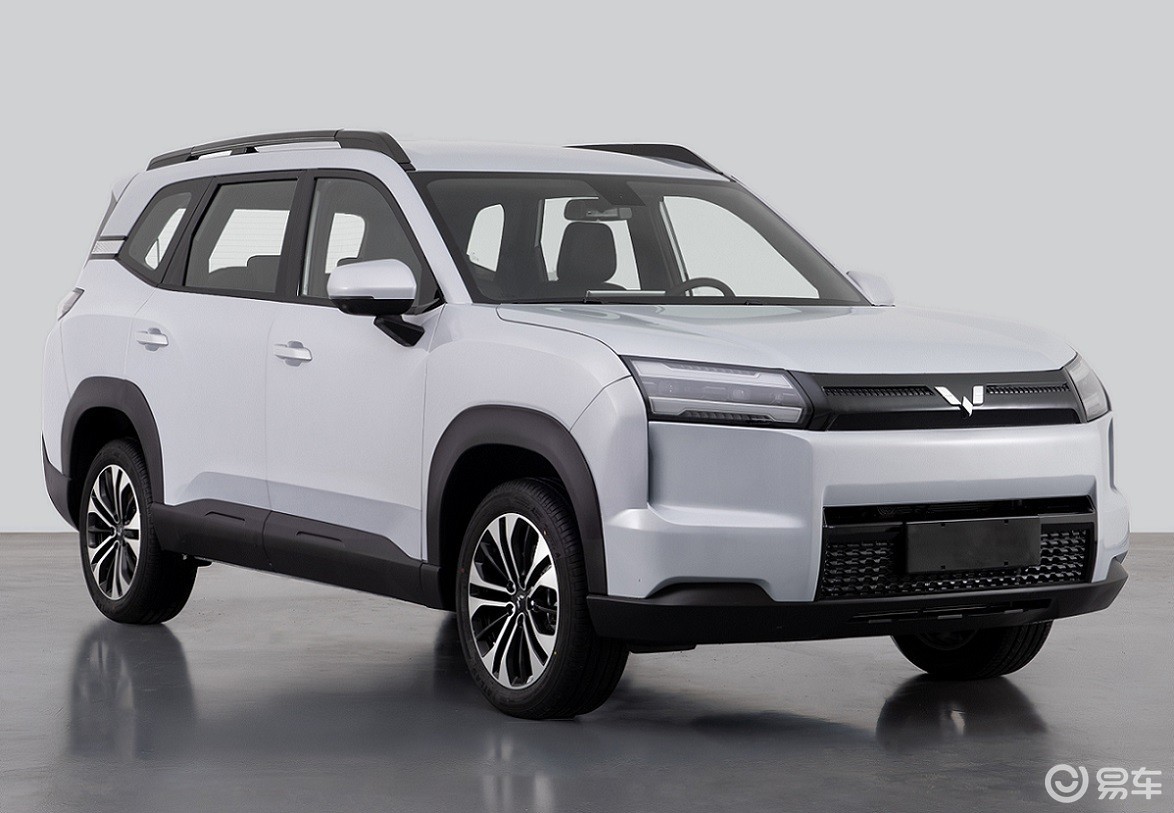
Australia's EV market has become a crowded, noisy battleground — but every so often, a new entrant arrives with the kind of specification sheet that makes the established order sit up and take notice. The Wuling Eksion 560 is exactly that kind of arrival. Approval paperwork has now been filed for Australian sale, and this mid-size electric SUV from the SAIC-GM-Wuling joint venture is positioning itself as a direct, more affordable alternative to the Tesla Model Y and the Zeekr 7X.
The headline figure is a claimed 530km of range — a number that places the Eksion 560 squarely in contention with premium electric SUVs costing considerably more. This is no compliance car, no niche urban runabout. It is a family-sized electric SUV engineered for a market where range anxiety still shapes purchase decisions, and it arrives with a specification sheet that suggests the price gap to its rivals will be substantial.
A Family SUV With Serious Reach
For Australian buyers who have watched Tesla's pricing fluctuate and European rivals struggle to compete on value, a Chinese-built mid-size SUV with genuine long-range capability represents a genuine inflection point. The Eksion 560's 530km claimed range isn't just a marketing bullet point — it's the kind of figure that eliminates the compromise conversation entirely. This is a vehicle designed to meet the demands of Australian families, not to apologise for its place in the segment.
The positioning against the Tesla Model Y is deliberate. In China, Wuling has built a formidable reputation for manufacturing vehicles that deliver exceptional value without sacrificing functionality. The brand's ability to thrive in China's hyper-competitive automotive market — where dozens of EV makers fight for survival — speaks to a level of manufacturing efficiency and supply chain mastery that Western legacy automakers have struggled to match. Bringing that capability to Australia means the Eksion 560 could arrive with a price tag that significantly undercuts not just Tesla, but also established Chinese rivals like BYD.
The Strategy Behind the Badge
What makes Wuling's Australian ambitions particularly intriguing is the corporate structure behind them. The brand operates as part of SAIC-GM-Wuling, a joint venture that has historically leaned on General Motors' distribution and engineering expertise. Yet reports indicate that the Chinese partner is effectively bypassing GM for its Australian entry, choosing to establish its own presence rather than slotting into GM's local infrastructure.
That is a significant strategic signal. It suggests SAIC-GM-Wuling views Australia as a market worth pursuing on its own terms, with its own brand identity, rather than as a footnote to GM's regional operations. The Holden-linked heritage of GM's Chinese operations gives Wuling a degree of brand recognition among Australian consumers that other Chinese newcomers lack — even if that recognition is indirect. The question is whether Australian buyers will embrace a brand that, while backed by GM's joint venture, remains largely unknown outside China.
Undercutting the Disruptors
The Australian market has already seen Chinese brands like BYD and MG gain meaningful traction by offering competitive electric vehicles at prices that undercut legacy manufacturers. Wuling's entry threatens to undercut even those disruptors. That last point deserves emphasis: this is not a brand arriving to compete on equal terms with the established Chinese players — it is a brand arriving with the manufacturing scale and cost discipline to reset the terms entirely.
The timing appears calculated. Australia's New Vehicle Efficiency Standard has begun to reshape the market, pushing manufacturers to bring more efficient vehicles while consumers grapple with cost-of-living pressures. An affordable, long-range electric SUV from a proven high-volume manufacturer could find a receptive audience, particularly among buyers who have been priced out of the premium EV segment. The Eksion 560 does not need to be the best electric SUV on sale to succeed; it needs to be the most compelling value proposition, and early indications suggest it will be.
A Coordinated Global Push
Wuling's broader global expansion adds context to the Australian push. The company has recently signed cooperation agreements with distributors in Saudi Arabia, outlined product plans for Brazil that include imports or local assembly, and reached key milestones across multiple overseas projects. This is not a tentative, one-off export experiment. Wuling is executing a coordinated international growth strategy, and Australia is one of its target markets. The approval of the Eksion 560 for sale is the first concrete step in what could become a sustained local presence.
For Australian consumers, the arrival of the Wuling Eksion 560 represents something increasingly rare in the electric vehicle market: genuine choice at the affordable end of the spectrum. Tesla has dominated the mid-size electric SUV segment for years, but competition is finally arriving from multiple directions. Wuling's entry, backed by the manufacturing scale of SAIC-GM-Wuling and a proven ability to compete on price, could be the one that forces the entire segment to reconsider what a family electric SUV should cost.
The paperwork is filed. The market should prepare.
