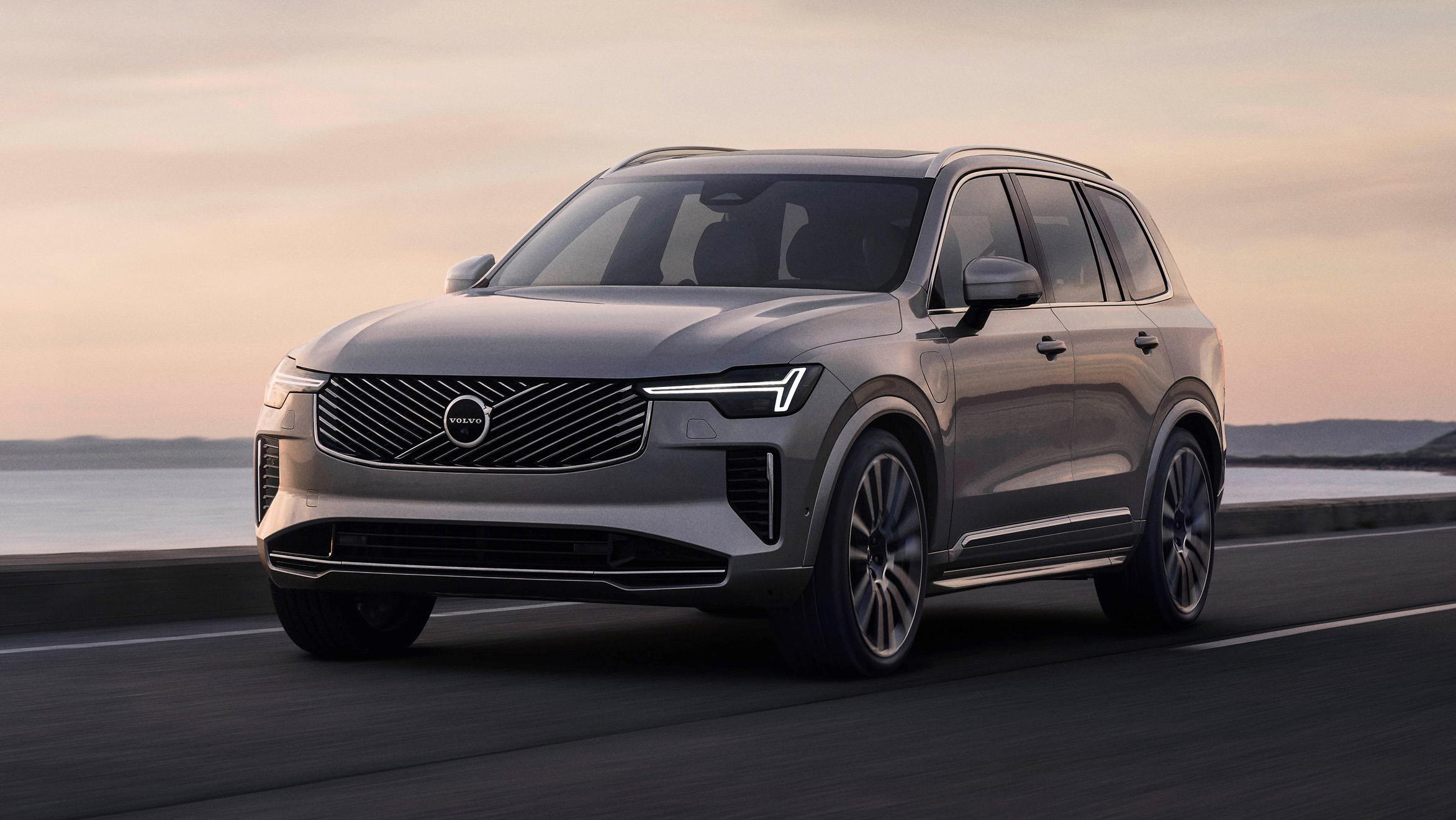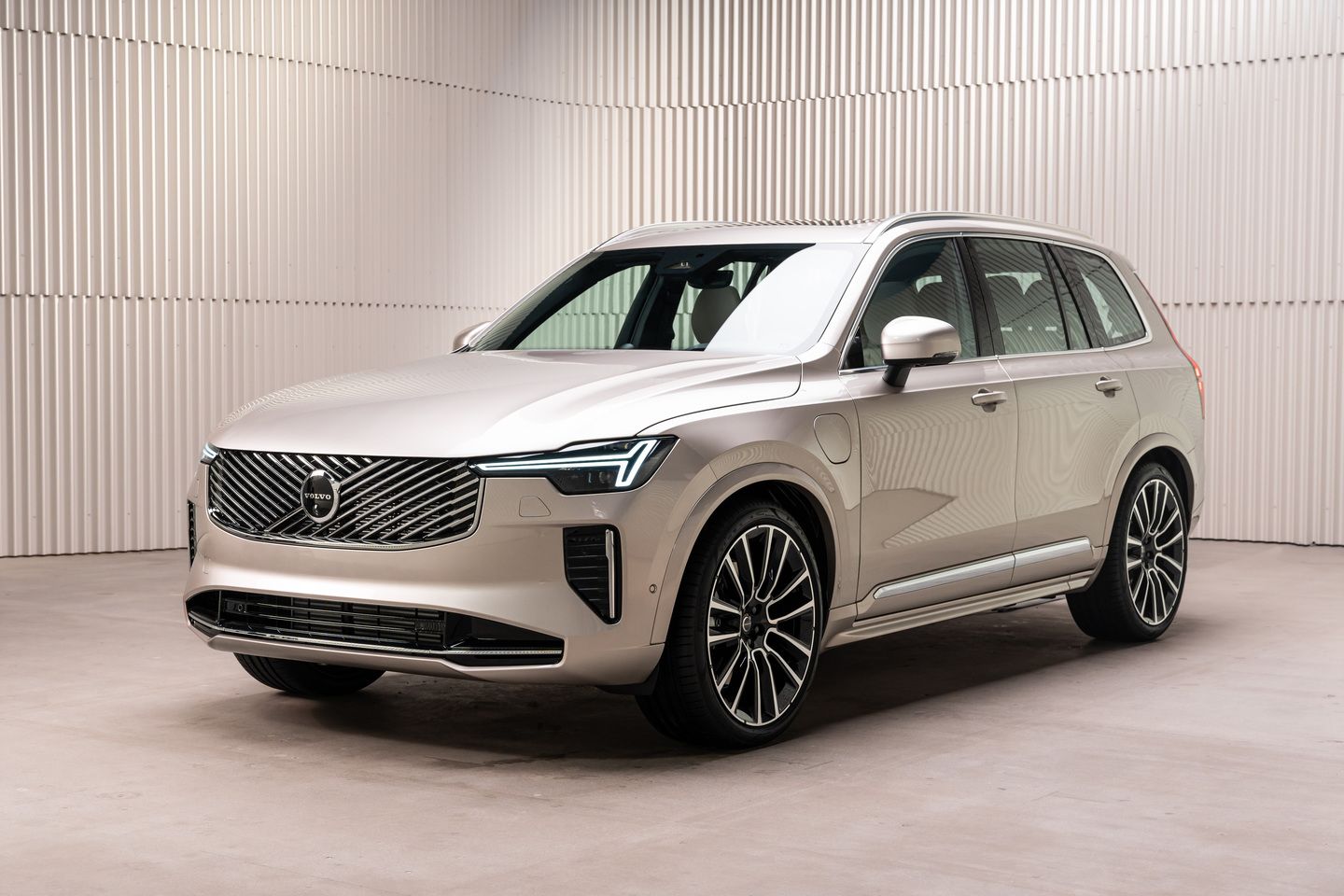
Every luxury brand sells a version of the same promise: that you are worth more, and therefore protected better. Mercedes-Benz wraps it in leather and silence. BMW expresses it through chassis balance. Lexus distills it into panel gaps measured in microns. For a century, the industry has translated "premium" into materials, power, and prestige—the things a buyer can see, touch, and brag about. Volvo, quietly and with characteristic stubbornness, has spent that same century translating it into something you can only measure in a crash test lab.
And according to recent findings reported by Autoblog, that translation is now essentially complete: in newer Volvos, women and men face nearly the same risk of injury in a collision. That sentence sounds modest. It is, in fact, the most radical luxury claim any automaker currently makes.
The Old Baseline Nobody Advertised
Consider what the industry baseline has always been. Crash test dummies were modeled on the average male body for decades—a 1970s standard that treated the female form as a deviation rather than a design target. The consequence was a quiet, actuarial inequality baked into the entire automotive landscape: women, statistically, have long faced different injury outcomes than men in comparable crashes, particularly in the lower body and in whiplash-related injuries. No badge on any grille admitted this. No configurator priced the fix.
For most of automotive history, "safety" meant passing a test designed around one body type and calling the job done. Volvo's announcement is not a marketing flourish. It is an admission that the old definition of safety was incomplete—and a declaration that the company has closed the gap.
The Unglamorous Engineering Behind the Number
The engineering behind that claim is unglamorous by design. Volvo's crash-test program has, for years, incorporated a virtual pregnant occupant model and a scaled-down female dummy, alongside decades of real-world data drawn from its own accident research—a database the company has maintained since 1970, sending investigators to the scene of actual Volvos in actual collisions.
That is where the equal-risk finding comes from: not a single dramatic test, but the slow accumulation of evidence about who gets hurt, how, and why. It is the least cinematic work in the industry. It is also the only work that produces a number like this one.
Protection Without Hierarchy
What makes it a luxury breakthrough, rather than merely a safety milestone, is the philosophy underneath it. True luxury has always been the removal of a burden the buyer never has to think about. You do not marvel at a vault door; you simply stop worrying about the vault. Volvo's equal-injury-risk result functions the same way.
It means a father and daughter, a husband and wife, two colleagues sharing a ride to the airport, are protected by the same standard—not a standard calibrated to one of them. That is a form of equity no interior trim can replicate and no horsepower figure can express. It is protection distributed without hierarchy.
Carrying the Standard Into the Electric Era
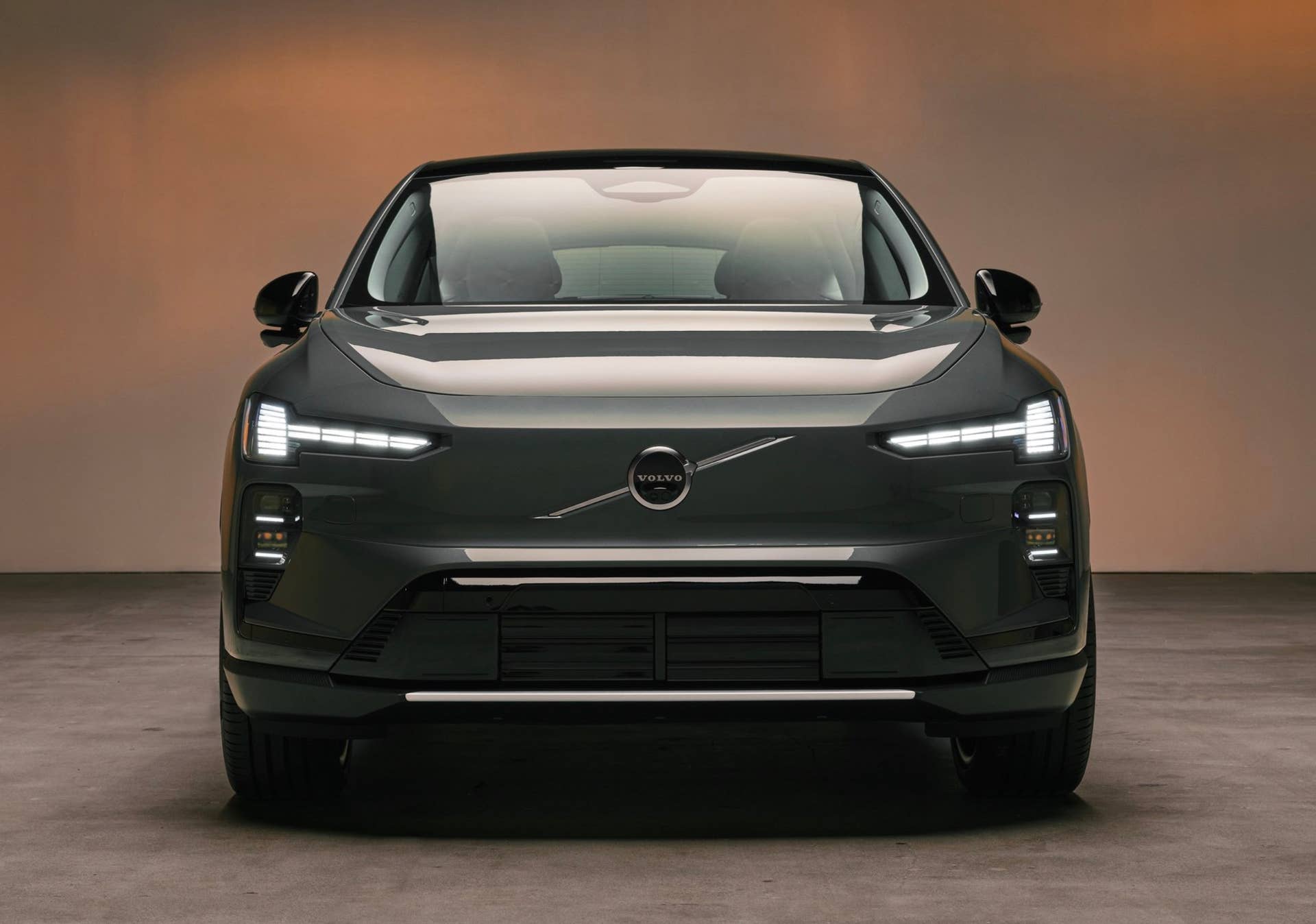
This matters even more as Volvo's lineup pivots wholesale to electric. The EX60, praised by MotorTrend as bringing "the best of everything Volvo," and the ES90, currently under long-term evaluation at Top Gear, are not just new powertrains—they are new structures, new crash geometries, new opportunities to either inherit the old biases or discard them. Volvo, notably, is choosing the latter.
The same company building a fast-charging upgrade for the EX60 and EX90, and developing camera systems that can see a deer around a corner, is also insisting that its safety architecture protect the 5-foot-2 driver as rigorously as the 6-foot-2 one.
The irony is that this will never sell a single car the way a panoramic roof does. There is no badge for "equal injury risk." You cannot feel it from the driver's seat, cannot photograph it for social media, cannot option it in a package. It simply exists—waiting, silently, for the day it matters.
That is precisely what makes it luxury of the highest order: a benefit you hope never to experience, engineered to be identical for everyone who does. Other brands sell you the feeling of being special. Volvo has quietly decided that the most special thing it can do is treat everyone the same.
.jpg?branch=prod_alias&quality=85&format=auto&iar=0&w=1920&imdensity=1)