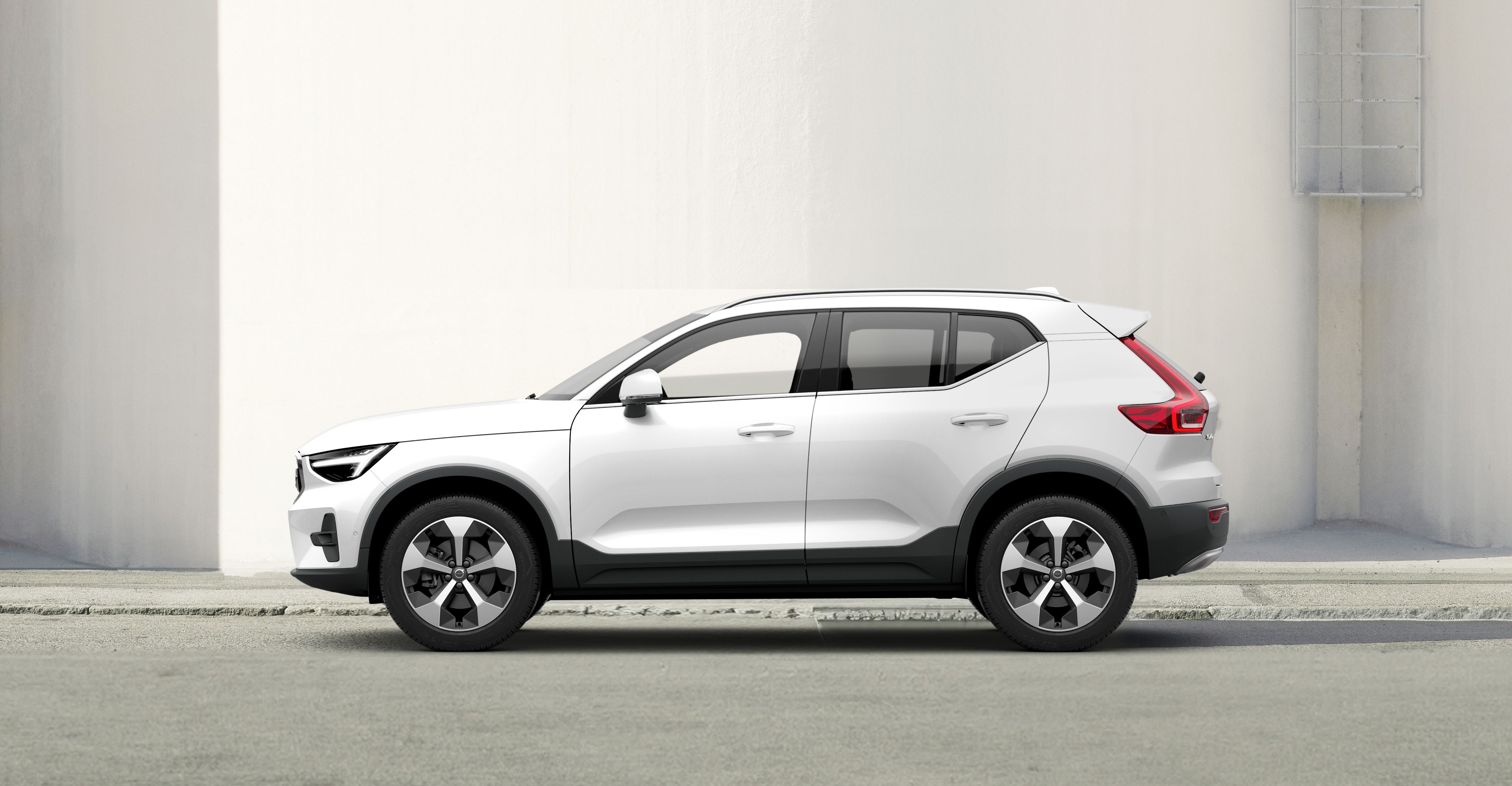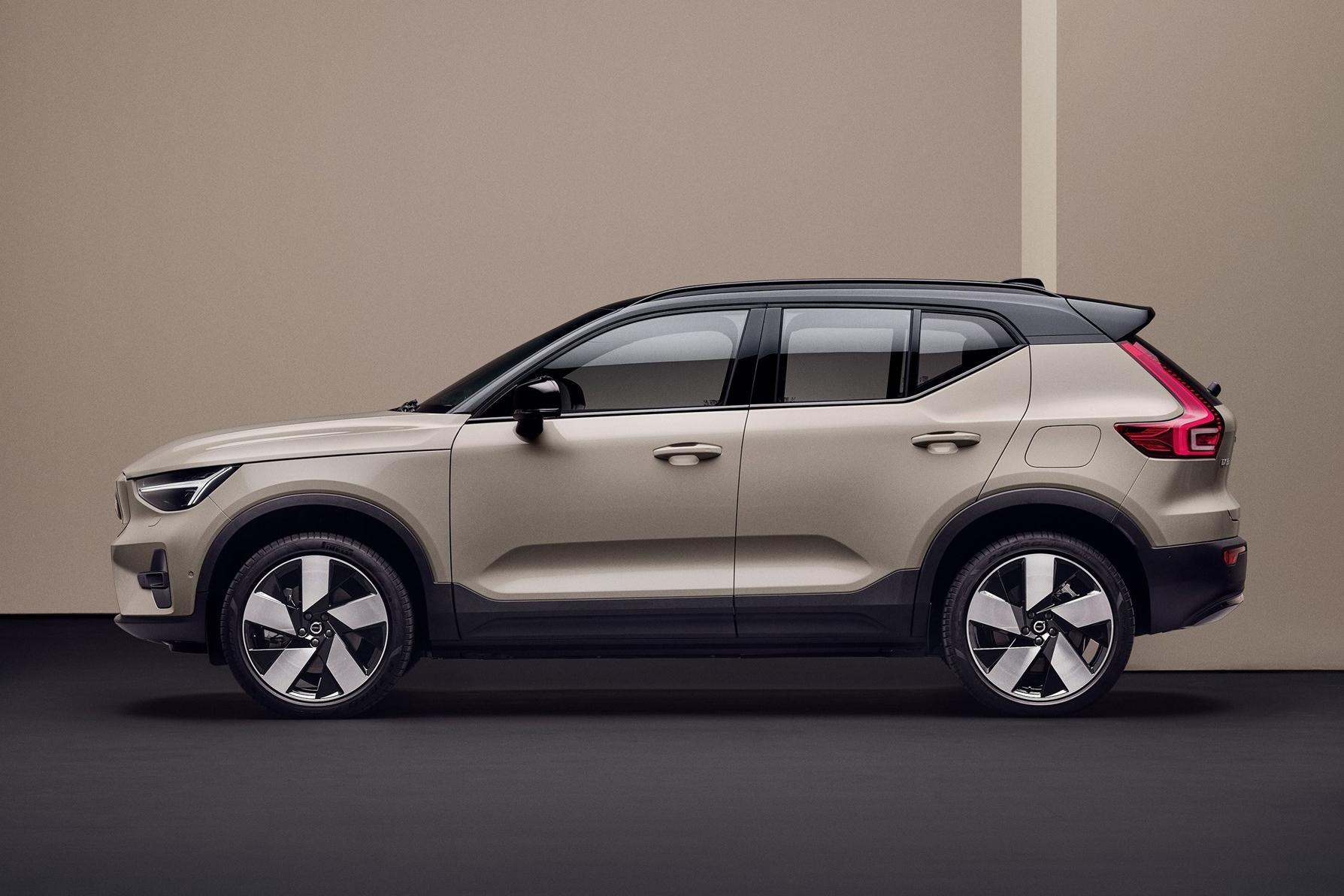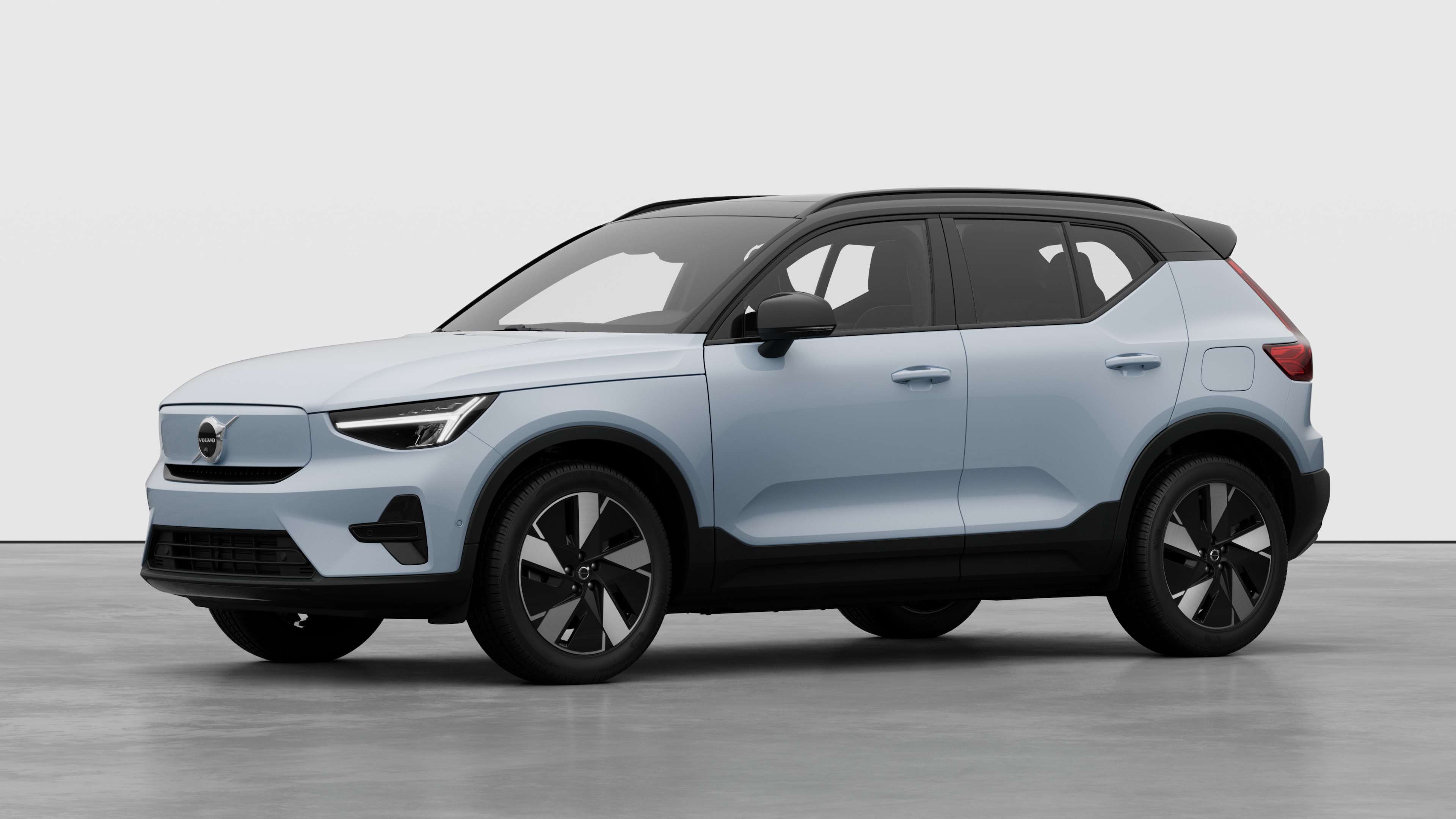
The news landed with the quiet finality of a door closing gently rather than slamming. Volvo has cancelled the EX40 in the United States, retiring a nameplate it had introduced with considerable fanfare as recently as 2024, when the Swedish marque renamed its electric XC40 Recharge to the cleaner, more clinical EX40. Barely a model year into that experiment, the badge is gone. What remains — and what is being actively refreshed for 2028 — is the combustion-era XC40, a small SUV that has now been in continuous production for roughly a decade. To understand why, one must look past the headlines and into the cold arithmetic of electrification, tariffs, and consumer behaviour that has forced even the most committed brands to reconsider their timelines.
Volvo, it should be remembered, was among the loudest voices promising an all-electric future. The company pledged that by 2030 it would sell only EVs — a declaration that positioned it alongside the most ambitious players in the industry. That pledge has since been softened to allow for hybrids, a retreat that mirrors similar walk-backs from Ford, General Motors, Mercedes-Benz, and nearly everyone else who once treated the electrification timeline as immutable.
The EX40 Was Never the Problem
The EX40's cancellation is the sharpest expression of that recalibration. The vehicle itself was never the problem; the problem was the American market's stubborn reluctance to absorb compact electric crossovers at the price points required to make them profitable, particularly once federal incentives began to waver and import duties reshaped the maths for European-built product. None of this is unique to Volvo. It is the same headwind every European brand building EVs for American driveways has been fighting, and losing ground to, for the past two years.
The XC40 Is a Known Quantity
The XC40, by contrast, is a known quantity. It rides on the CMA platform, shares its bones with the Polestar 2 and the Lynk & Co 01, and has spent years amortising its development costs across a global sales footprint. The 2028 refresh, previewed this week by outlets including Ars Technica, Car and Driver, and Engadget, is an exercise in restraint: revised sensors, an upgraded infotainment suite built around Google's Gemini AI, a subtly reworked face, and not much else. It is, as Car and Driver put it, a nip and tuck of notable subtlety.
And that is precisely the point. Volvo does not need the XC40 to make a statement. It needs it to sell, quietly and profitably, to buyers who want a premium small SUV without the anxiety of range planning or the sticker shock of a fully electric equivalent. In a segment where the electric options are still asking customers to compromise on cost, convenience, or both, the XC40 simply asks them to sign.
A Hedge, Not a Surrender
There is a certain irony in watching a brand that built its reputation on safety and pragmatism apply those same virtues to its product strategy. The EX40 was, in effect, a bet that the market would move faster than it did. The XC40 is the hedge — a vehicle that can accept a mild-hybrid or plug-in powertrain, that slots into existing supply chains, and that continues to generate revenue while the electric infrastructure and pricing environment mature.
Volvo has not abandoned electrification. The company's truck division is charging ahead with an 80-tonne electric hauler, the FH Aero Electric, and a 50-tonne EC500 excavator that Electrek reports never needs charging. But passenger cars operate under different constraints, and the EX40's demise is a reminder that consumer adoption curves are not linear. They bend to economics, to policy, to the simple question of whether a family can afford the leap — and right now, in America, for a compact crossover, the answer is often no.
What the XC40's survival ultimately reveals is that Volvo is willing to be patient. The brand will keep the combustion small SUV alive, refine it, and let it carry the volume while the electric transition finds its footing. It is not a retreat from the future so much as an acknowledgement that the future arrives on its own schedule. The EX40 died because the market was not ready. The XC40 lives because Volvo is.