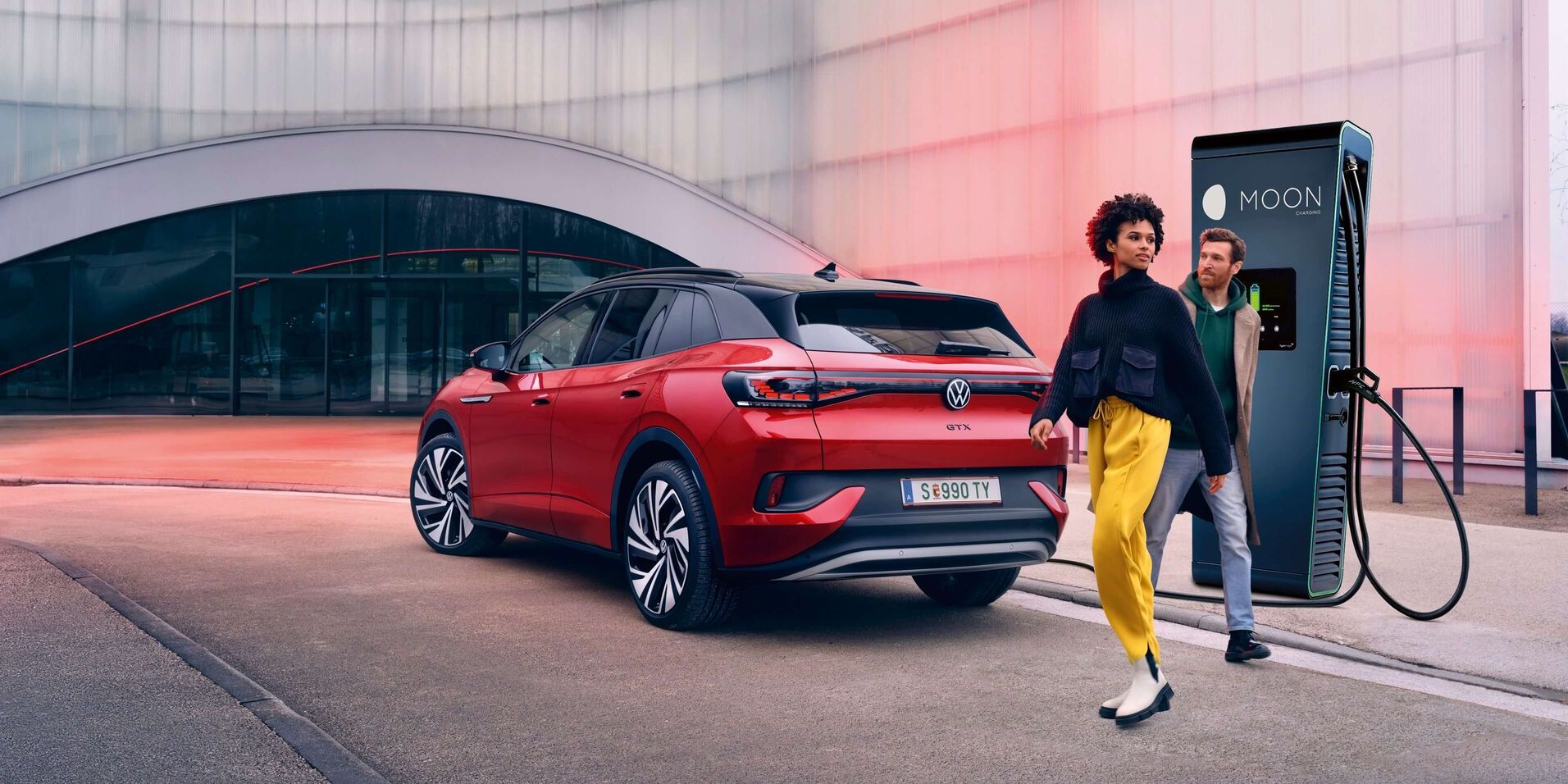
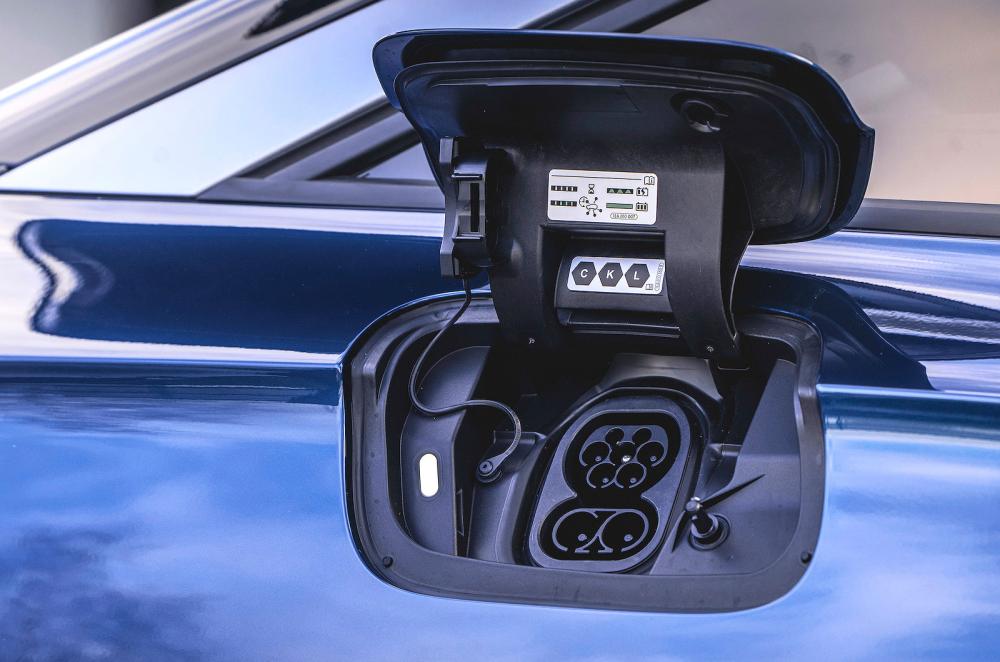
There is no press release quite like a recall notice for revealing what a manufacturer actually knows. When Volkswagen told owners of 22,524 ID.4 crossovers to stop charging past 80 percent, the company framed it as a precaution against battery fire risk. Read it again. The largest carmaker in Europe just instructed tens of thousands of customers to permanently live with two-thirds of the range they paid for — and in doing so, conceded something the industry has spent a decade dancing around: the lithium-ion pack remains a component with a lifespan, a comfort zone, and a failure mode that software cannot wish away.
The mechanics are unglamorous. Charging a lithium-ion cell to its theoretical maximum stresses the cathode, accelerates dendrite formation, and raises the odds of an internal short. Automakers have always known this. That is why Tesla, Ford, and Hyundai all build buffer zones into their packs and nudge daily charging toward 80 or 90 percent. What makes Volkswagen's recall different is that the advice arrives not as a best practice buried in an owner's manual, but as a mandatory remedy. The buffer was supposed to be engineered in. Here, it is being retrofitted through a customer instruction, which is a very different thing.
A Recall That Reads Like a Confession
Set that against the rest of Volkswagen's news cycle and a pattern emerges. The ID.4 is being phased out in favor of the ID. Tiguan, a vehicle whose most praised feature, according to early coverage, is the return of physical buttons — an admission that the touch-heavy interior was a misstep. The ID. Polo GTI is arriving to carry the GTI badge into electric territory, trading on fifty years of combustion heritage to sell a powertrain still working out its own identity. Meanwhile, Volkswagen is cutting up to 100,000 jobs by the end of the decade, absorbing a $1.3 million fine from German regulators over forecast disclosure, and leaning on a funding relationship with Rivian that analysts at Barron's describe with visible discomfort. None of these stories is about batteries. All of them are downstream of the same pressure.
The Scale of the Bet, the Speed of the Recalculation
The honest read is that Volkswagen is not uniquely struggling with EV chemistry. Every legacy automaker is. What distinguishes Wolfsburg is the scale of the bet it made and the speed at which it must now recalculate. The ID.4 recall is small in absolute terms — 22,524 vehicles is a rounding error against Volkswagen's global volume — but it lands as a symbol. A charging cap is a range cut. A range cut is a value cut. And a value cut on a product you are simultaneously asking customers to adopt at scale is a credibility problem, not an engineering one.
What the Recall Actually Teaches
There is a version of this story in which the 80 percent guidance is temporary, a software fix restores full capacity, and the episode becomes a footnote. Volkswagen's engineers are certainly working toward that. But the more durable lesson is the one the recall writes in plain language: electric vehicles are not combustion cars with a different fuel. They are electrochemical systems with real tolerances, and the companies that prosper will be the ones honest about those tolerances rather than the ones that market past them.
Volkswagen just told 22,524 owners the truth. The question is whether it has fully told itself.