Volkswagen is a company at war with its own accounting. An $11.5 billion profit warning has wiped out the group's once-reliable earnings outlook, dragging its forecast down to a scarcely believable 1% margin. The cause is not a collapse in vehicle demand but a massive write-down at Porsche — the crown jewel that has suddenly become the group's heaviest anchor. In response, the works council and management have proposed another 4,100 layoffs at Porsche, on top of earlier cuts, while a recall of more than 208,000 SUVs over corroding steering rack bolts adds a grimly literal corrosion to the corporate narrative. Read the headlines in sequence and you would conclude that Volkswagen has lost its way.
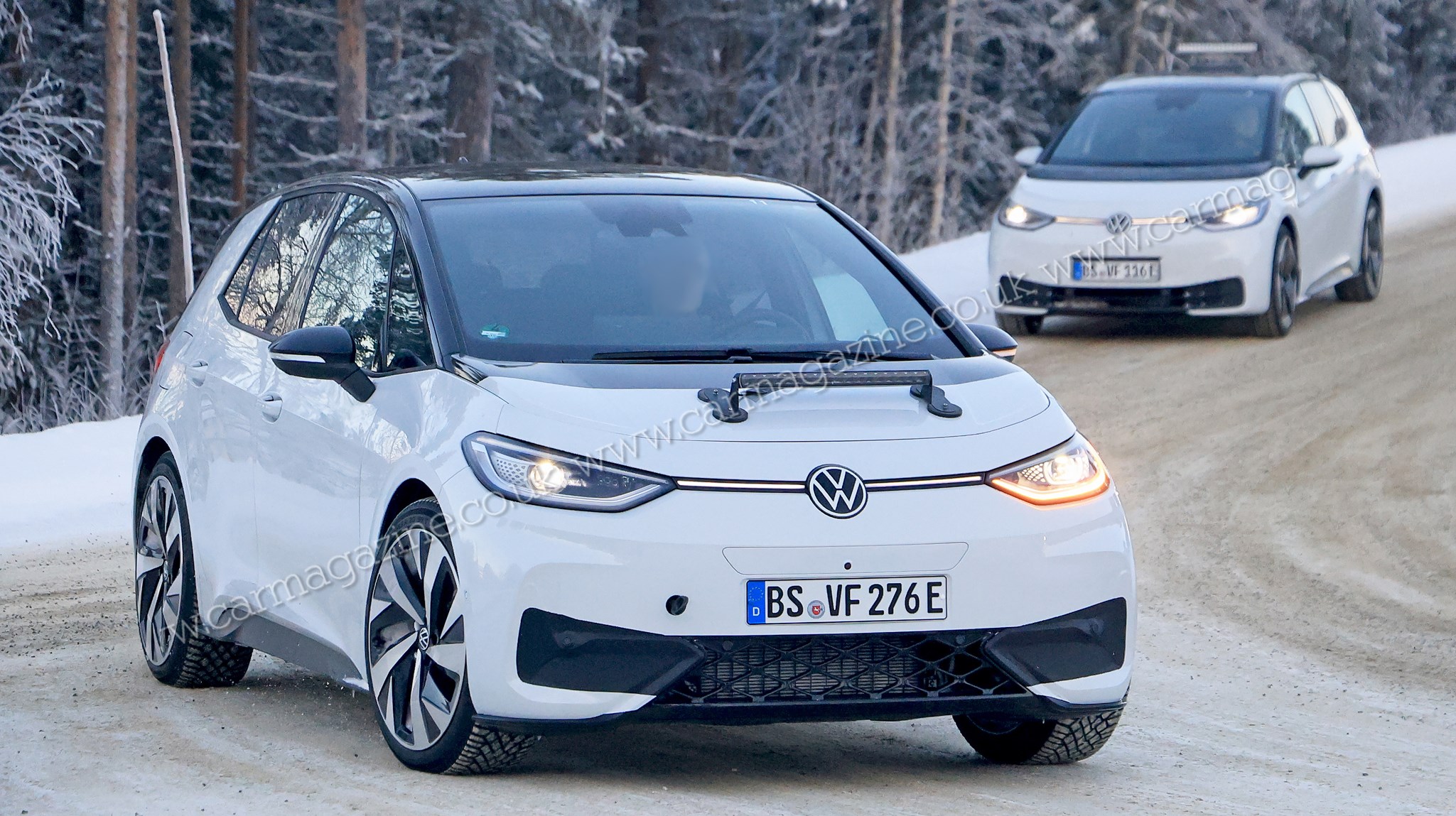
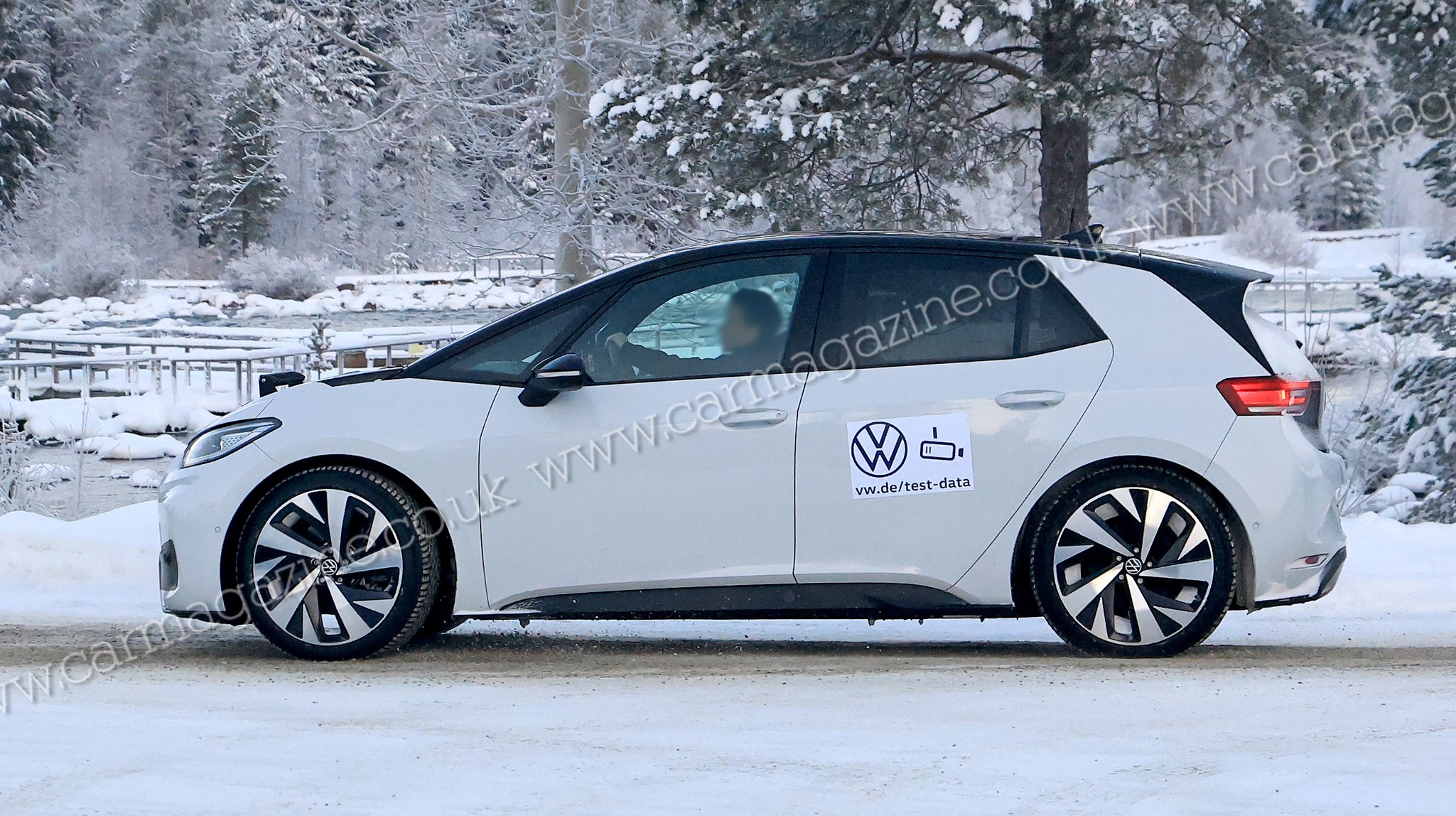
And yet, in the same news cycle, Wolfsburg unveiled the ID.3 GTI — the most powerful model in five decades of GTI history. This is not a footnote. It is the entire argument.
The Badge That Carries the Weight
The GTI badge is the most emotionally loaded asset Volkswagen owns, a three-letter promise of accessible performance that has survived oil crises, emissions scandals, and the slow death of the manual gearbox. Handing it to an electric hatchback was always going to be contentious. What matters is that Volkswagen did it properly.
The ID.3 GTI is not a trim package or a marketing exercise. It is the fastest GTI ever built, and it arrives precisely when the company's financial credibility is at its lowest ebb. That timing is either catastrophic or deliberate. The engineering suggests the latter.
Instant Torque, Native Advantage
Consider what the GTI has always represented: the democratisation of speed. Not supercar performance for the few, but genuine driving character for the many, priced within reach of a working buyer.
An electric GTI that out-accelerates every petrol predecessor while carrying the same practical five-door body is the logical endpoint of that philosophy, not a betrayal of it. The instant torque delivery that makes EVs feel quick is, in a hot hatch, not a novelty but a native advantage. Volkswagen's performance division has spent fifty years tuning combustion engines to feel responsive; electric motors hand them that responsiveness for free.
The contrast with the corporate news is almost too neat. While executives in Stuttgart and Wolfsburg wrestle with write-downs and redundancy consultations, the engineers have produced a car that answers the only question that ultimately matters to a car company: can you still build something people want? The answer, evidently, is yes. The ID.3 GTI exists. It works. It is fast. No spreadsheet can undo that.
Where the Recovery Actually Comes From
There is a broader signal here about where Volkswagen's recovery must come from. The Porsche write-down is a valuation problem, a consequence of paying too much for a stake and marking it to an unforgiving market. Layoffs are a cost problem. Neither is solved by better accounting. They are solved by products that command a premium because they are genuinely desirable — and the GTI lineage is one of the few assets in the group's portfolio that has never needed a discount to sell. If Volkswagen can electrify its most beloved nameplate without diluting it, it has proven something the profit warning cannot refute: the capability is intact.
Hardware That Keeps Answering Back
The electric bus that just drove 62,000 miles across 92 countries for a Guinness World Record tells a similar story from a different angle. While the financial press dissects the group's failures, its hardware is quietly completing feats of durability and efficiency that most rivals cannot match. The Tiguan SEL R-Line Turbo continues to demonstrate that Volkswagen still knows how to build an interior that punches above its price. These are not the achievements of a company in terminal decline. They are the achievements of a company with a broken capital structure and a functioning engineering culture.
That distinction matters enormously for anyone trying to read Volkswagen's future. A profit warning is a statement about the past — about money already lost, valuations already impaired, decisions already made. The ID.3 GTI is a statement about the future. One of these will be forgotten within two fiscal quarters. The other will still be lapping a back road in ten years, and the badge on its tailgate will still mean something.
Volkswagen's crisis is real, expensive, and largely self-inflicted at the top of the house. But crises at the top of the house are survivable when the bottom of the house still knows how to build a great car. The ID.3 GTI is the sound of the bottom of the house answering back.