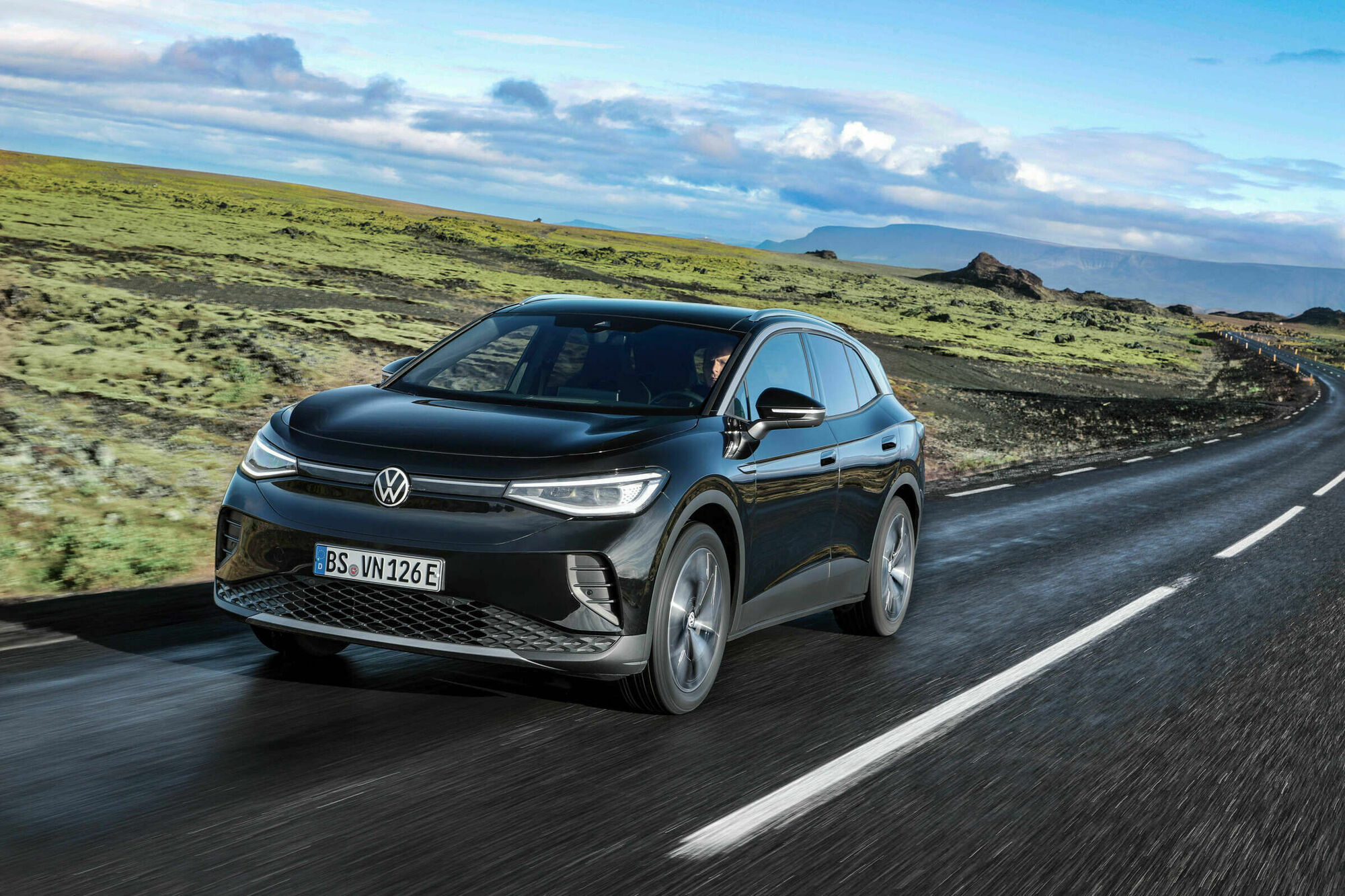
Volkswagen wants you to believe that autonomy is a birthright, not a luxury. For the better part of a decade, the company has been promising that its most advanced driver assistance technology would eventually reach every buyer, not just those signing for the flagship. That promise is now being kept — technically, at least — as the latest iteration of IQ.DRIVE migrates out of the ID.7 and ID.Buzz and into the volume sedans and crossovers that actually pay the bills.
On paper, this is the democratization story VW has been telling since Dieselgate forced it to reinvent itself. In practice, it is a bet placed with borrowed money, at a table where the house is already closing the room.
The Tech Is Real
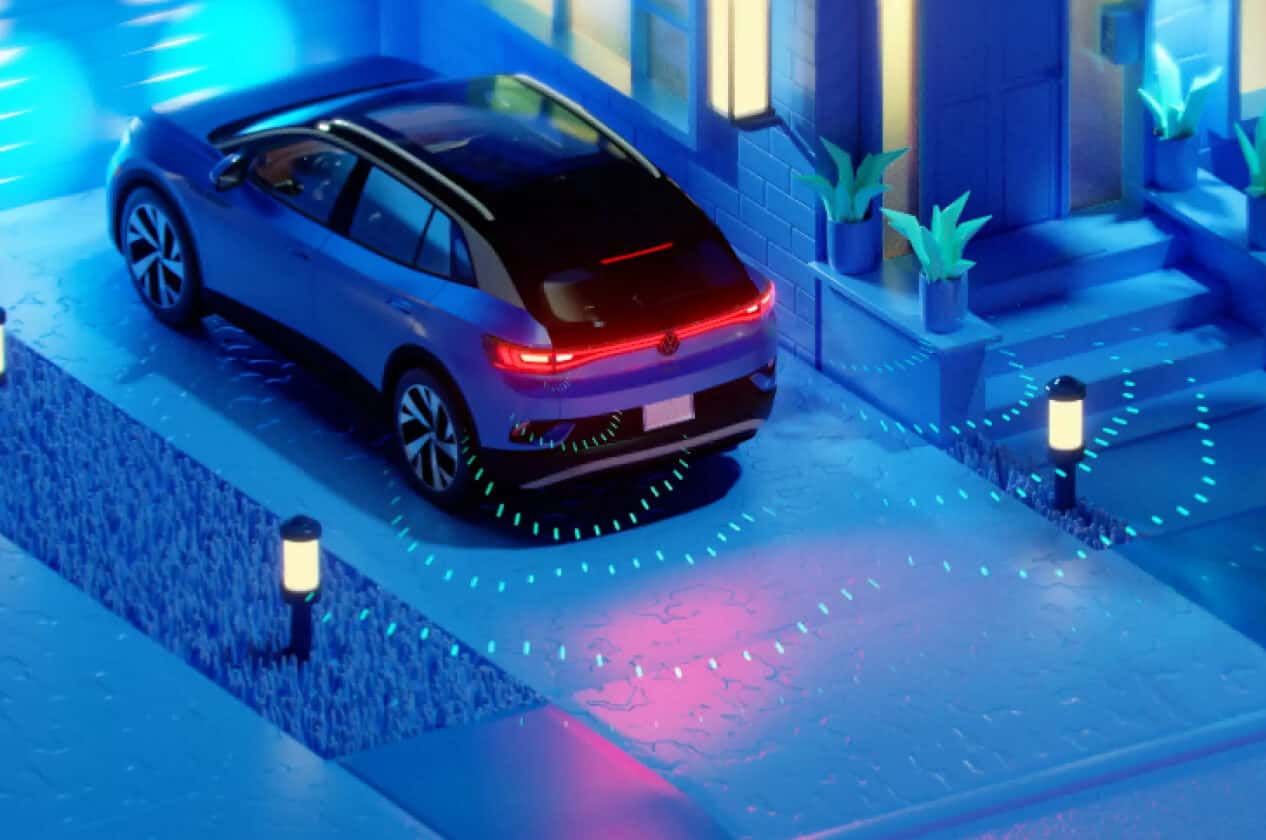
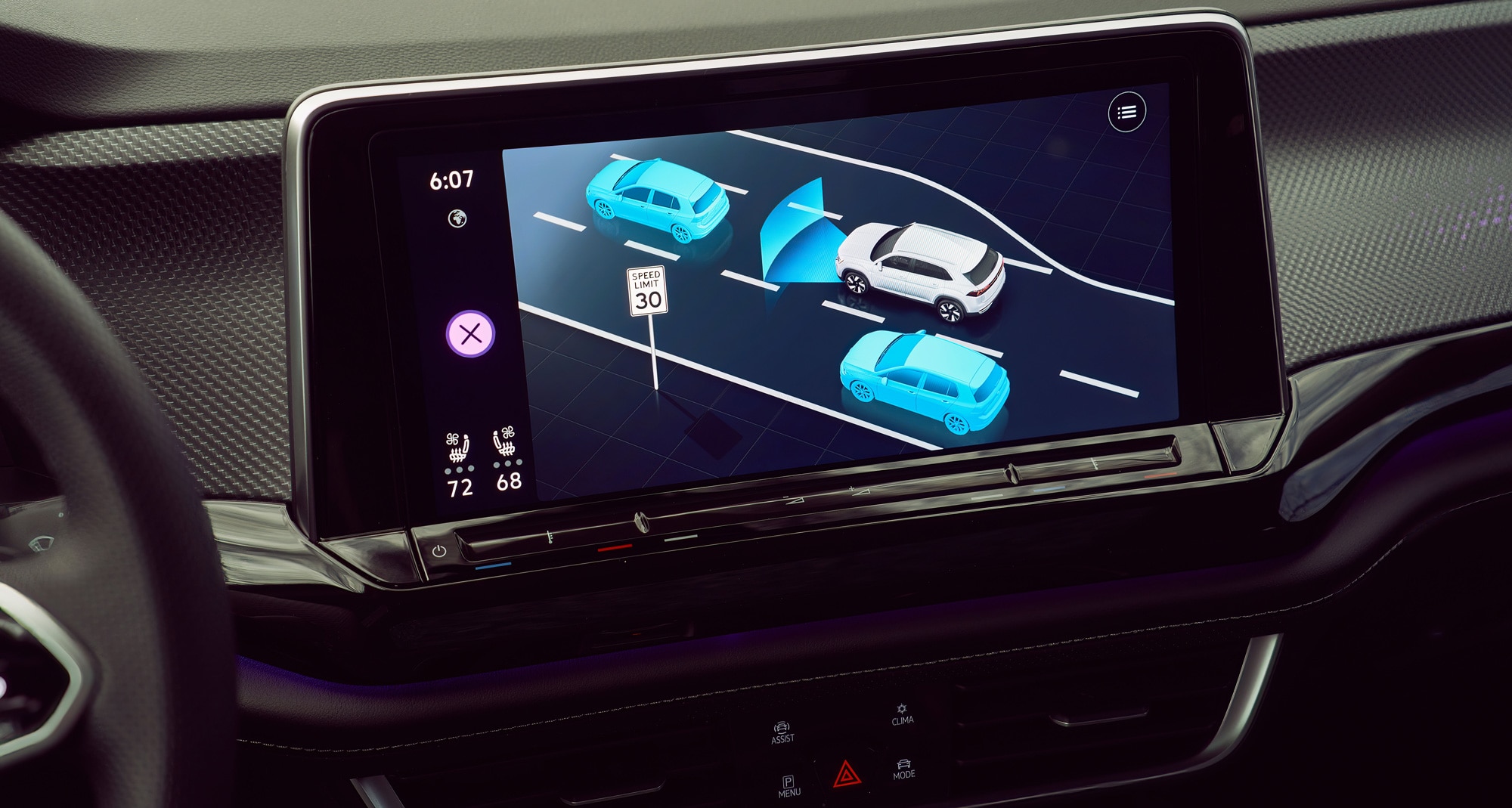
Let's give credit where it's due. VW's media arm has confirmed that the newest IQ.DRIVE suite adds improved lane-centering, predictive adaptive cruise, and a more capable rear-view camera architecture debuting on the 2027 ID.Buzz. These are meaningful upgrades — the kind that make a Jetta feel less like a rental and more like a legitimate alternative to a Camry. Predictive cruise that reads the road ahead and lane-centering that doesn't ping-pong between the lines are exactly the features that transform highway miles from a chore into something approaching relaxation.
The problem is the arithmetic surrounding them. Volkswagen has earmarked roughly €16 billion for job cuts and plant closures, a figure that reads less like restructuring and more like amputation. The Osnabrück site, once a symbol of German industrial flexibility, is being "set on course for the future" — corporate dialect for a future that may not include it.
Engineering a Lifeboat While the Ship Takes on Water
There is a certain irony in watching a company pour engineering resources into hands-free highway cruising while its works councils fight to keep the lights on. German unions are demanding Volkswagen honor its 2024 labour agreement, and the standoff has the distinct feel of a company trying to fund a software roadmap with hardware-era headcount reductions.
The IQ.DRIVE trickle-down is, in this light, not generosity but necessity. VW cannot afford to develop two tiers of technology, so it must spread one tier across everything it still builds. Driver assistance is a scale game: the more vehicles that carry the sensors and software, the cheaper each unit becomes, and the faster the data flows back to Ingolstadt and Wolfsburg. By pushing the technology into sedans, VW is trying to build that scale at precisely the moment its production base is contracting.
The Empire Strikes Out
Meanwhile, the empire is being disassembled at the edges. Ducati is reportedly under review for sale. Bugatti has formally exited the group. A German plant is being converted to produce Israeli defense equipment — a pivot so jarring it would read as satire if it weren't a press release. And in the United States, where VW's market share has been eroding for years, the company is openly eyeing the F-150 and Wrangler territory to revive sales, a tacit admission that its sedan-centric identity no longer resonates with American buyers.
It is a strategy that assumes the company can shrink its way to relevance — cutting plants, shedding brands, and still shipping a credible software stack to millions of buyers who may no longer walk into a Volkswagen showroom.
Driving Toward an Uncertain Horizon
None of this makes IQ.DRIVE a bad system. It makes it a fragile one. The ID. Buzz camera upgrade and the broader IQ.DRIVE rollout deserve credit as engineering. But engineering is no longer Volkswagen's constraint. Capital is. Trust is. And the willingness of German labor to subsidize a technology strategy that eliminates their jobs is finite.
Volkswagen is wagering that hands-free driving in an affordable sedan will be enough to keep customers loyal through the transition. The factories closing in the background suggest the company is not entirely sure it will be. The brand that once sold itself on the idea that everyone deserved a Golf now finds itself asking whether everyone deserves a hands-free commute — and whether it can still afford to build one.