The average new-car payment in America has climbed to $821 a month. Say it out loud and it sounds less like a finance figure than a warning light. Bloomberg reports that well-off buyers are propping up the market precisely because they can absorb that number without flinching — and everyone else is left doing arithmetic at the kitchen table.
Which is exactly why Toyota's sedan lineup deserves a second look. While the industry fixates on six-figure SUVs and headline-grabbing luxury badges, Toyota has been steadily building some of the most quietly compelling luxury values in the showroom. The market is beginning to notice.
The Camry Problem
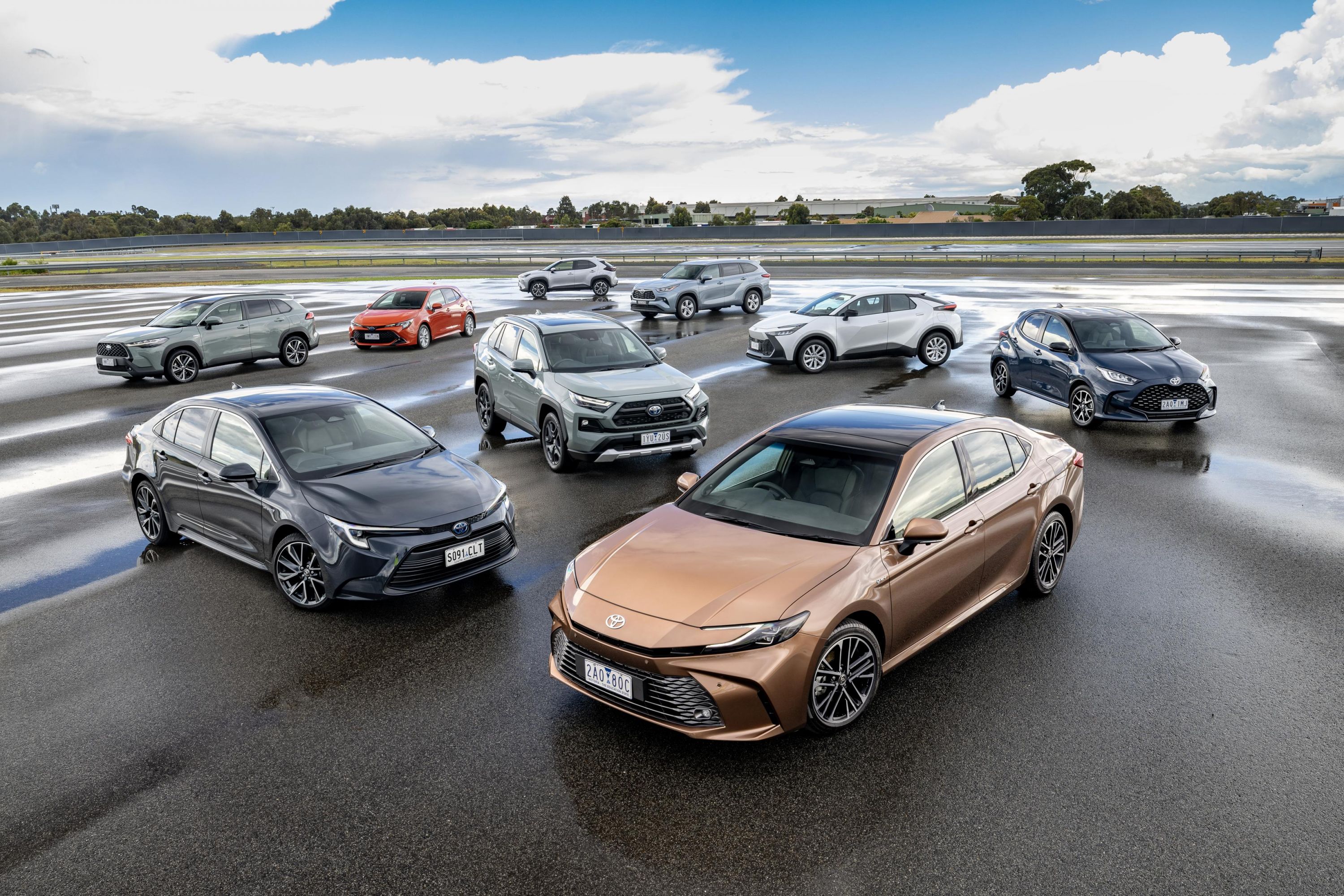
Consider what a buyer actually gets. The 2026 Toyota Camry, now hybrid-only, delivers near-Lexus refinement, exceptional fuel economy, and a cabin that would have passed for a premium sedan a decade ago. Cars.com recently pitted it directly against the 2026 Lexus ES350h, and the comparison is more uncomfortable for Lexus than the badge hierarchy would suggest.
The two cars share powertrain DNA. The Camry's top trims close much of the gap in materials and technology. The difference, increasingly, is marketing and a dealer experience — not the engineering. That is a strange thing to write about a car wearing the same badge as a Corolla, and yet here we are.
What If You Kept the Payment and the Quality?
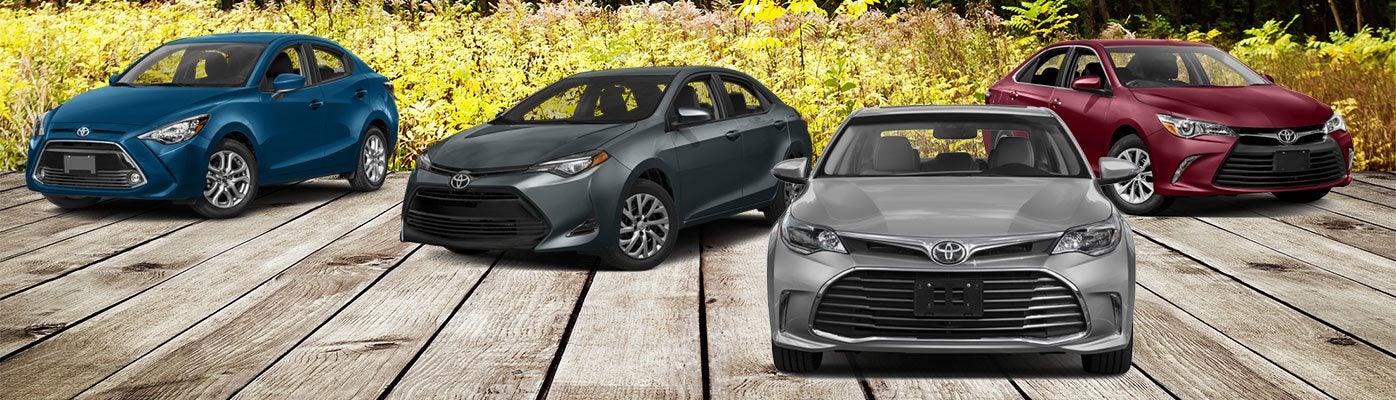
That dynamic extends across the lineup. Toyota's sedans have become the answer to a question luxury shoppers are asking more often: what if I kept the payment and kept the quality? At a moment when a well-optioned German sedan can push past four figures monthly, a Camry — or an Avalon-successor in all but name — arrives with Toyota's legendary durability baked in, resale values that shame the competition, and running costs that make the lease math work in the buyer's favor.
Toyota's domestic rivals have even conceded the point on quality. Motor1 reports that Japanese competitors now agree on who sets the benchmark. That kind of admission does not come cheap, and it does not come often.
The Empire Behind the Sedan
This isn't happening in a vacuum. Toyota is within 38,000 vehicles of taking GM's U.S. sales crown, per Yahoo Finance, while GM's third-quarter sales slipped 5.5 percent even as Toyota rode hybrid and EV demand upward. The company is investing $1.34 billion in an Argentina EV plant and opening a new battery R&D site in Saline Township, Michigan.
And at the very top of the range, Toyota is preparing to sell its Century — Japan's answer to Rolls-Royce — to California luxury buyers, a signal that the brand's ambitions have no ceiling. When a company can credibly sell you a Rolls-Royce rival and a $30,000 sedan in the same showroom, the sedan starts looking less like a compromise and more like a smart arbitrage.
The Value Hiding in Plain Sight
The context matters. Honda is aggressively targeting the RAV4 with new CR-V lease deals, and Toyota's own Grand Highlander Woodland is chasing off-road credibility against Honda's TrailSport line. The SUV wars dominate headlines. But the sedan story is where the real value is hiding.
Luxury buyers paying $821 a month for a badge are subsidizing a market that Toyota has quietly undercut — offering comparable refinement, superior reliability, and a total cost of ownership that looks almost conservative by comparison. That is not a knock on luxury. It is an observation about where the money goes and what it buys.
None of this means Toyota sedans are luxury cars in the traditional sense. They lack the theatrics, the bespoke leathers, the dealership espresso bars. What they offer instead is something more durable: engineering that outlasts the loan, residuals that protect the buyer's equity, and a driving experience that has closed the gap with premium marques to the point where the premium is increasingly hard to justify.
In a market where monthly payments have become the defining anxiety, that is not a consolation prize. It is the whole point. Toyota's sedans are not pretending to be luxury. They are simply doing what luxury charges a premium to do — and charging far less for it.