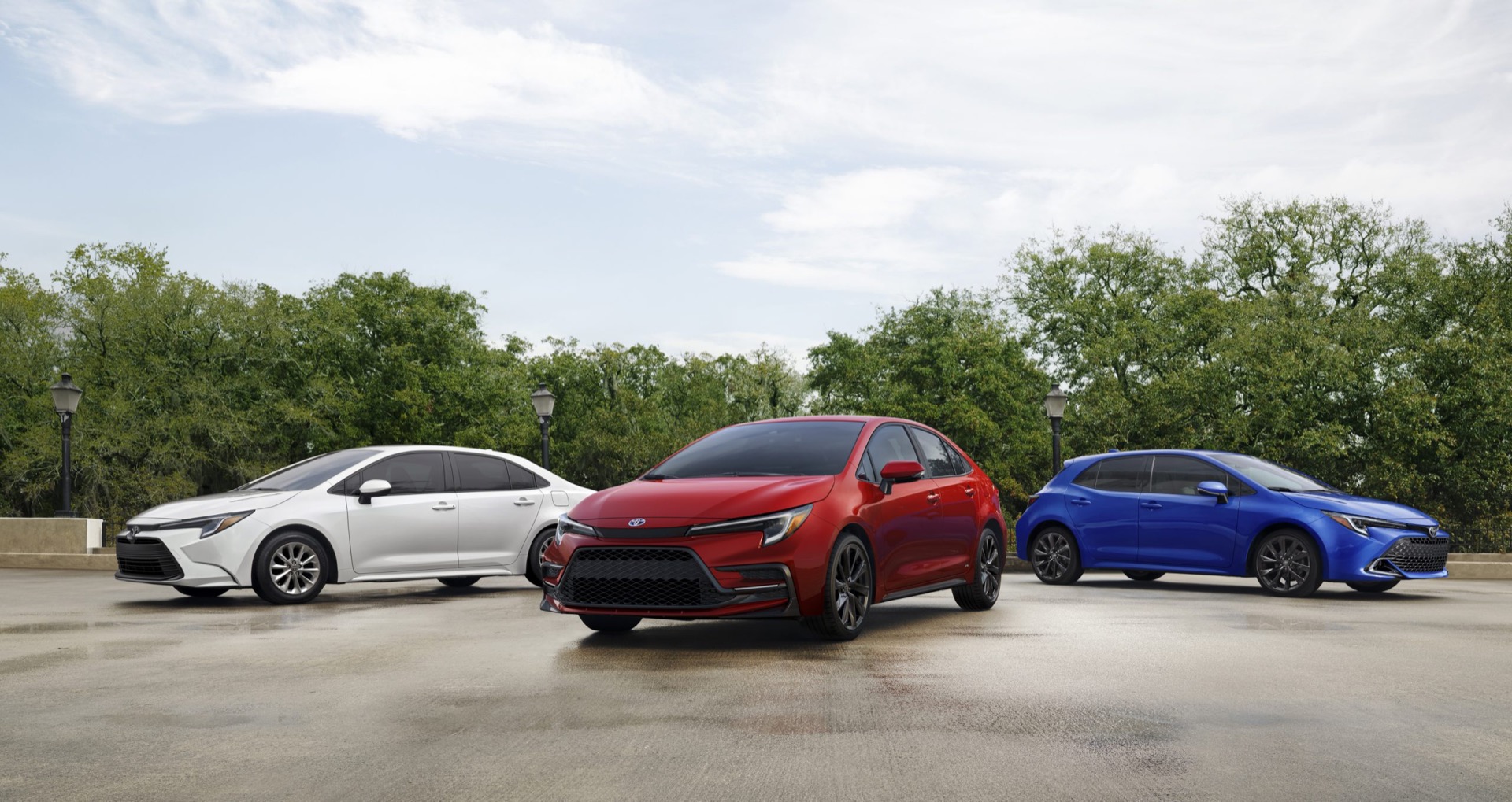
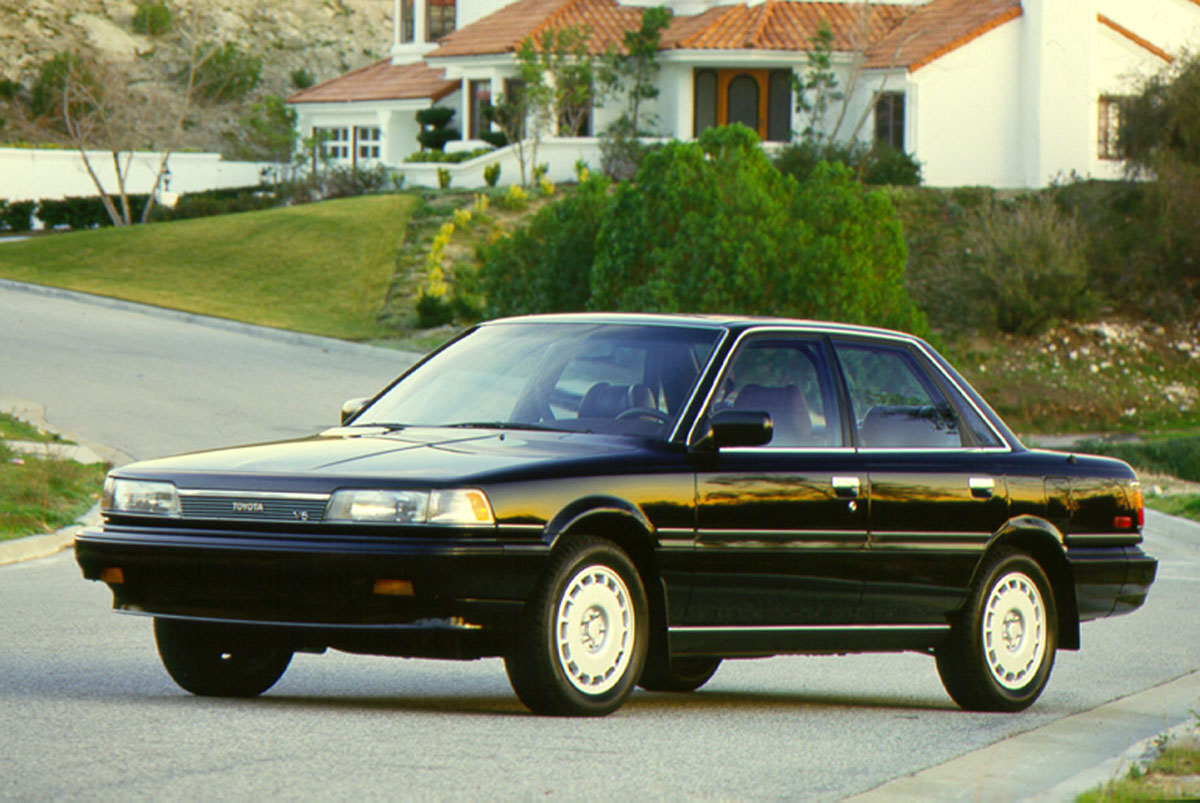
For three decades, Toyota's grip on the Chinese market was built on a formula so simple it barely needed stating: dependable sedans, priced for the aspirational middle class, carried by word-of-mouth. The Corolla, the Camry, the Levin — these weren't just products. They were promises of stability in a market that prized exactly that.
But promises have an expiry date. In China's electrified present, that date has quietly passed. Toyota's seventh consecutive month of sales decline in the world's largest auto market isn't a cyclical dip. It's the sound of a business model hitting a wall it helped build.
A Formula That Became a Trap
The trap was structural, not accidental. Toyota invested its Chinese manufacturing capacity, dealer networks, and brand equity in sedans at precisely the moment Chinese consumers began migrating toward battery-electric crossovers and SUVs from BYD, Nio, and a dozen other domestic challengers. Every Camry sold reinforced a supply chain optimised for internal combustion. Every Corolla lease renewed a customer relationship anchored to a shrinking segment.
That's the cruel arithmetic of success. Toyota's legendary conservatism — the same discipline that made it the world's most trusted automaker — hardened into institutional inertia, binding the company to a product category its competitors were actively abandoning. The sedan wasn't just a car. It was a commitment, and commitments cut both ways.
Beijing Changed the Rules
Contrast that with the policy architecture Toyota was competing against. Subsidies, licence-plate lotteries, and charging infrastructure have been tilted decisively toward EVs, and Chinese buyers responded with a speed that stunned every legacy automaker. This wasn't a gentle market drift. It was a rerouting of consumer desire, engineered from the top down and embraced from the bottom up.
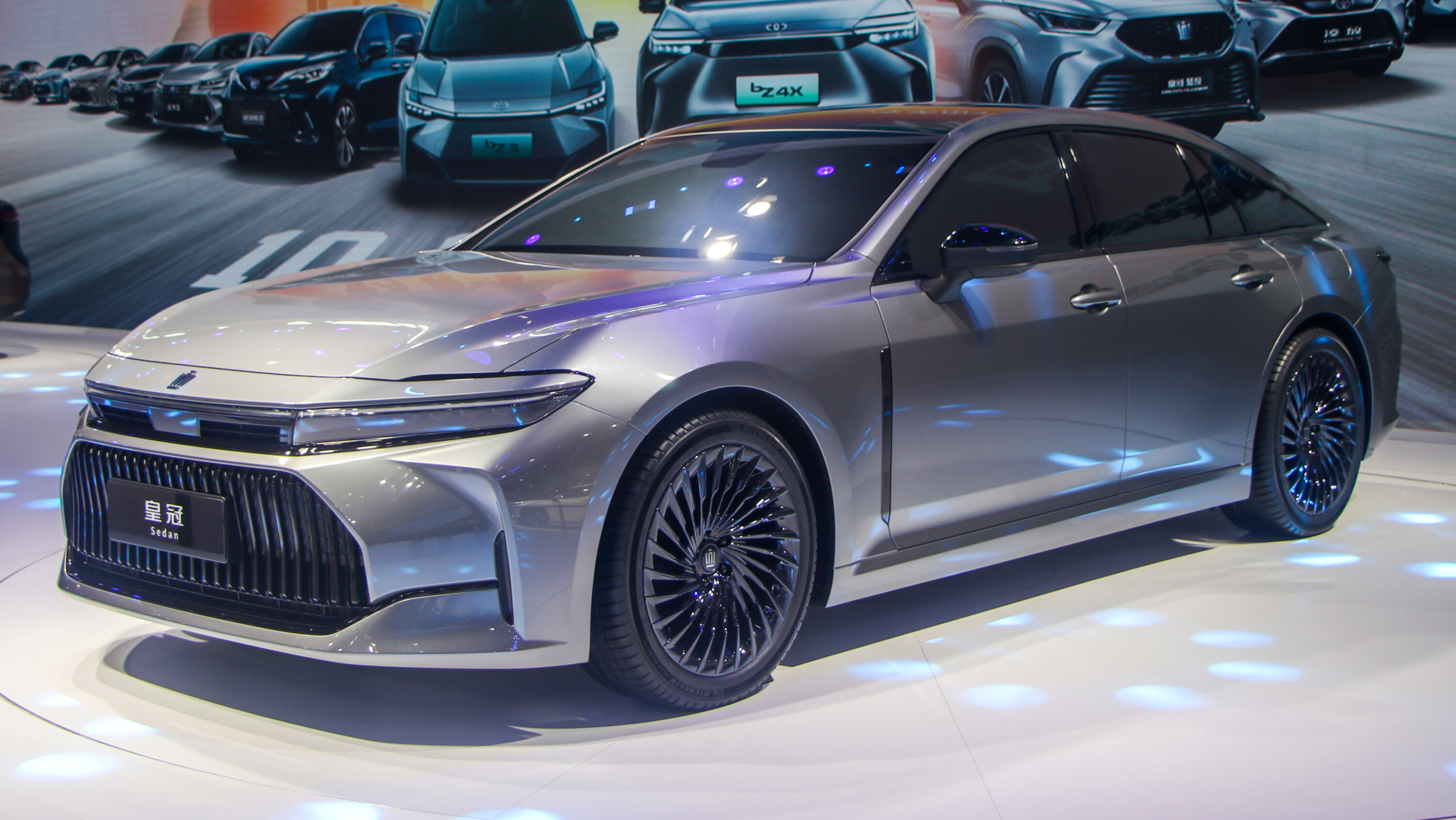
Toyota's answer — the bZ4X and its bZ sub-brand — arrived late and underwhelmed. Reviews of the bZ Woodland have been politely damning: competent, but missing the software sophistication and value proposition that domestic rivals deliver as standard. In a market where a BYD Seal undercuts a Camry on price while offering more range and a smarter cabin, brand loyalty alone can't close the gap. Loyalty, it turns out, is a depreciating asset too.
Ambition Without a China Strategy
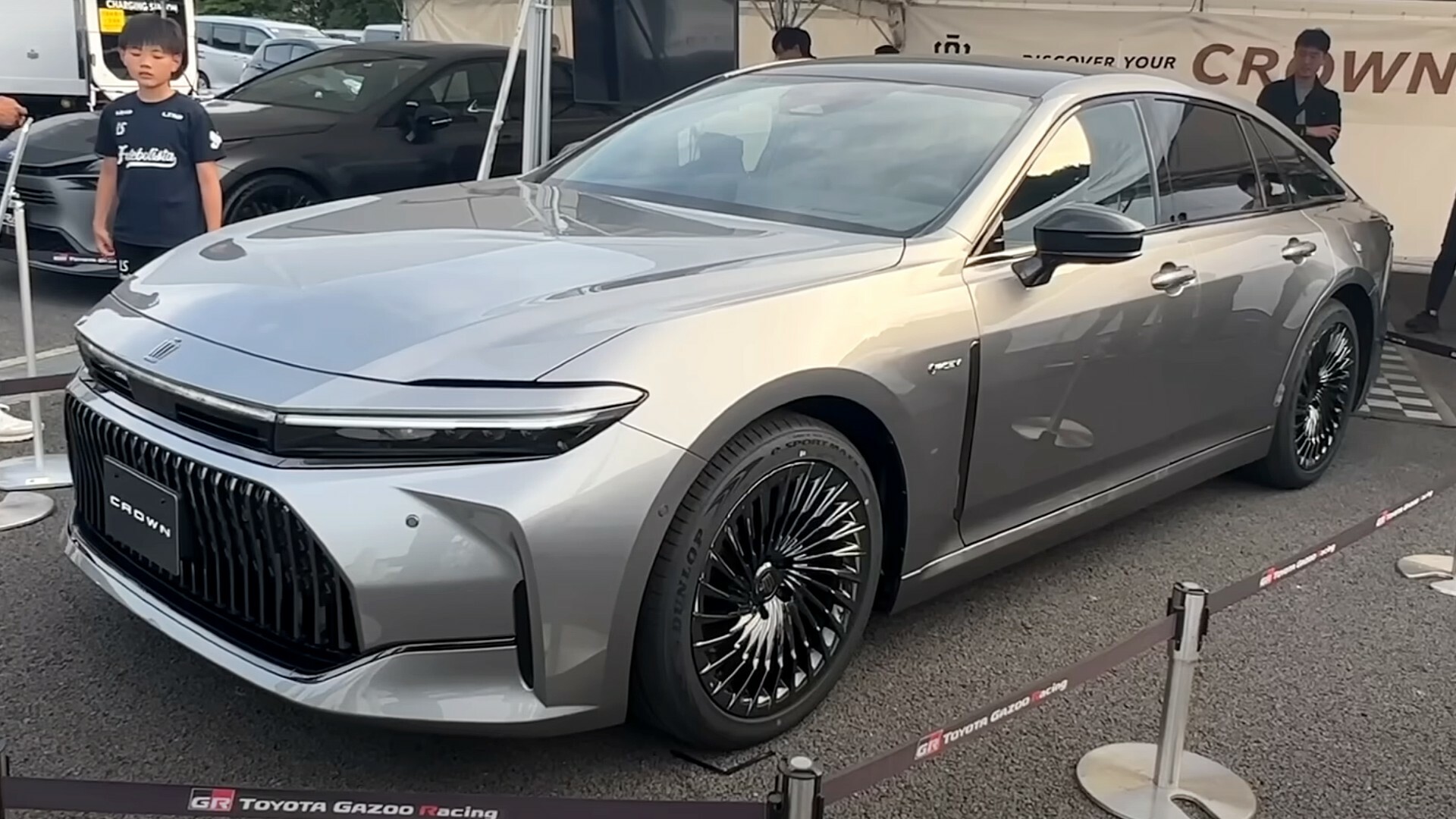
There's a deeper irony at work. Toyota's executive team has publicly characterised its EV journey as a "roller coaster ride" — a phrase that captures both the volatility of the transition and the company's own reluctance to commit. Yet the same firm is investing $1.34 billion in an Argentine EV plant and eyeing global expansion of its Century, Japan's answer to Rolls-Royce, as a halo product. The ambition is unmistakable.
What's missing is a China-specific strategy that treats the sedan not as a franchise to defend but as a legacy to transition away from. The numbers tell the story with brutal clarity: sales and production fell for a second straight month in August, and the broader decline has now stretched across more than half a year. Meanwhile, Toyota's most celebrated assets — the Land Cruiser, the RAV4 Hybrid, the indestructible Tacoma — remain formidable, but they address different customers in different markets. In China, the battleground is the mid-size family vehicle. There, Toyota is fielding a combustion-era champion against an electric-era insurgency.
The Anchor and the Crucible
None of this means Toyota is finished. Its global scale, manufacturing discipline, and balance sheet remain unmatched. The RAV4 Hybrid's depreciation advantage over the Honda CR-V proves the brand still commands residual value elsewhere. But China is not elsewhere. It is the crucible in which the next decade of automotive leadership is being forged, and Toyota entered it carrying the weight of its own success.
The sedan that once opened doors now functions as an anchor. Until Toyota builds an electric family car that Chinese buyers genuinely prefer to a Camry — not merely tolerate as a compliance play — the decline will continue, and the trap will keep snapping shut. The lesson for Toyota, and for every legacy automaker watching, is that dependability is no longer enough. In China, the future belongs to those willing to build it, not those waiting to see how it drives.