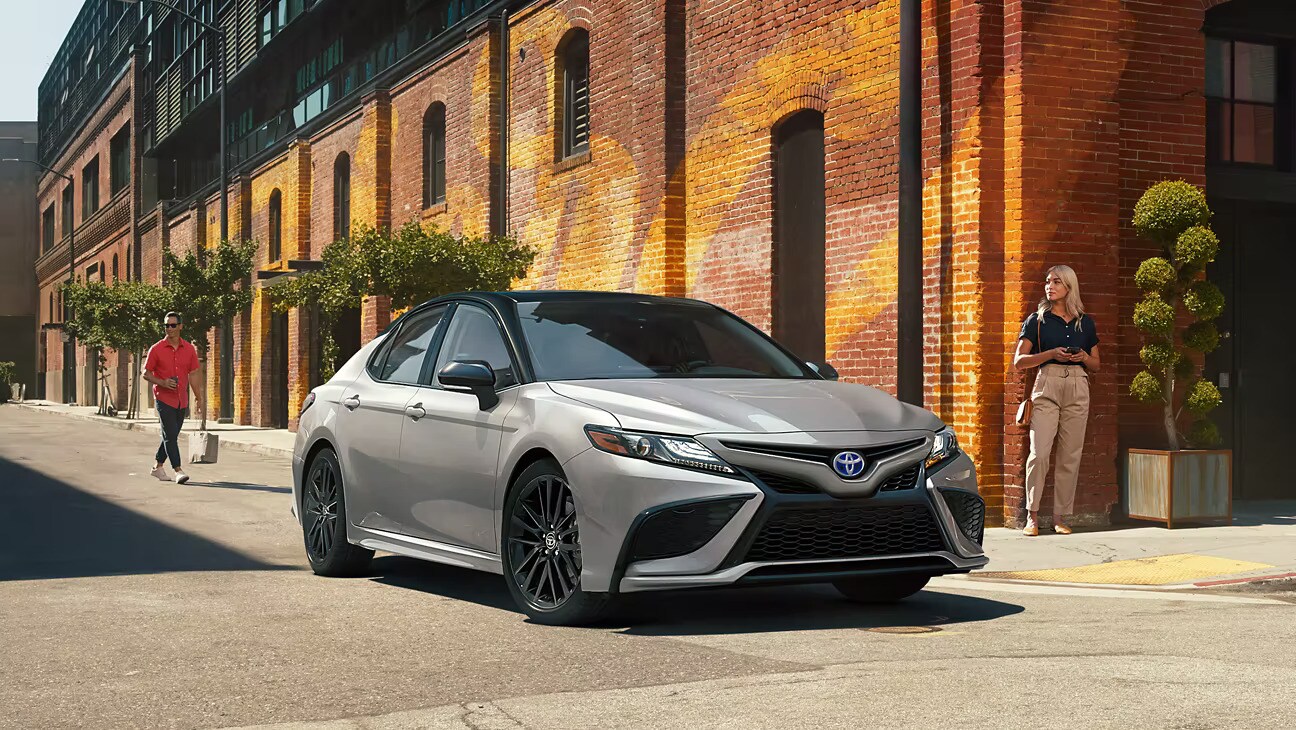
The automotive world runs on convenient myths, and none is more comforting than this: buy a Toyota and you've purchased an apocalypse-proof appliance. The Camry will outlast your mortgage. The Corolla will survive your teenager's learner's permit phase. This reputation isn't entirely unearned — Toyota's sedan and crossover lineup remains the gold standard for unglamorous, bulletproof daily transport. But here's the uncomfortable truth hiding beneath that halo of reliability: it creates a psychological shield that lets the brand fumble spectacularly in other segments without suffering the reputational consequences it so clearly deserves.
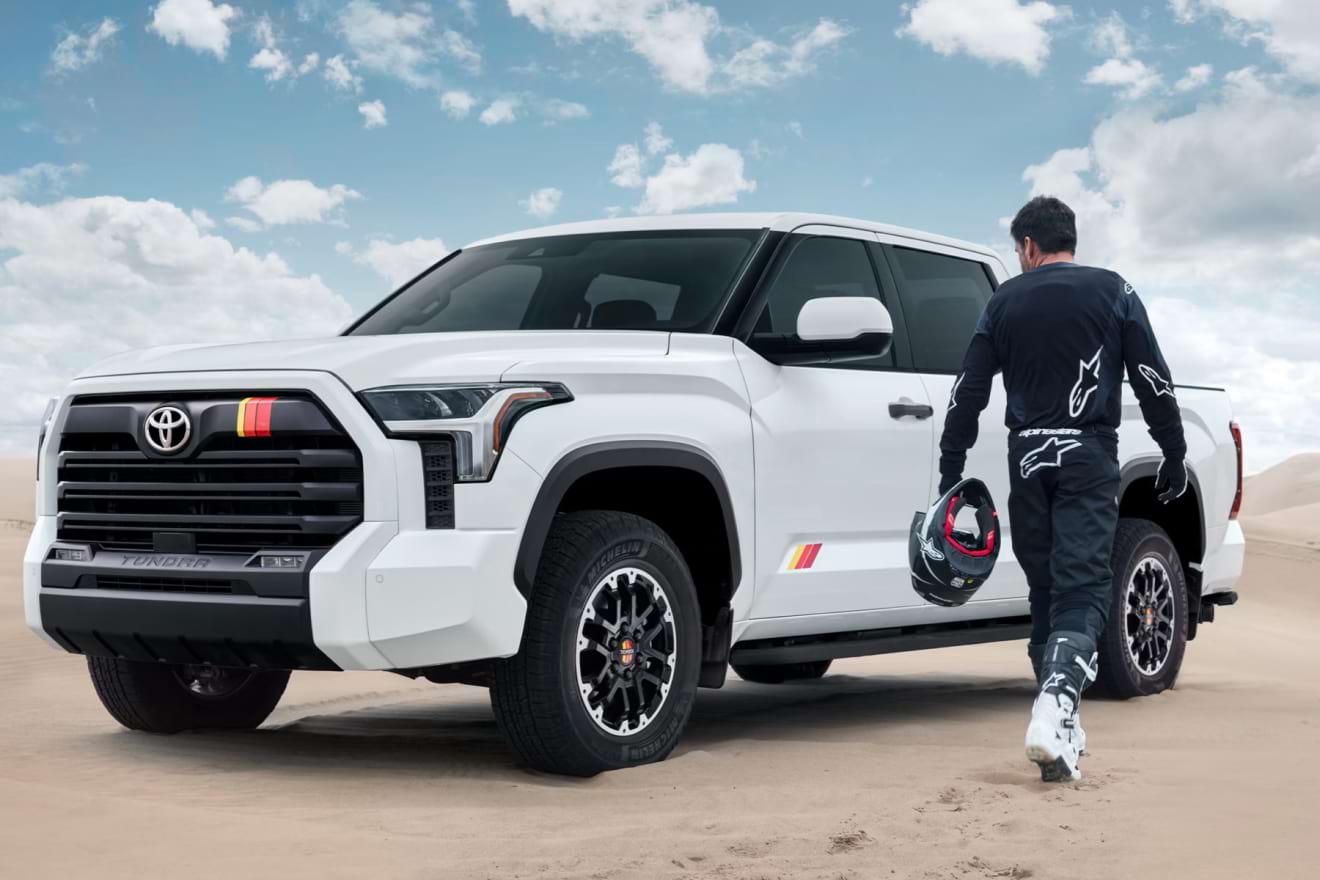
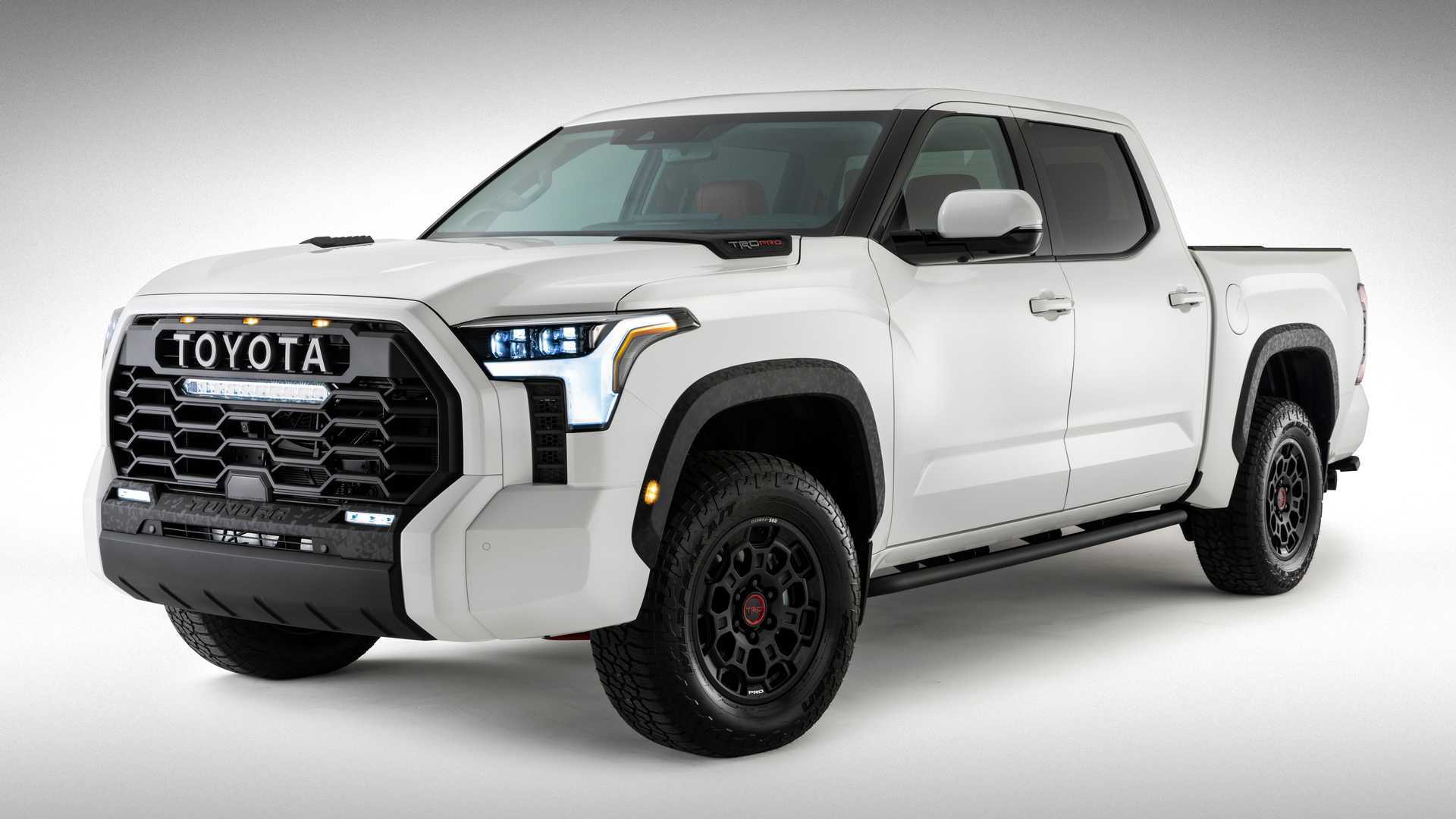
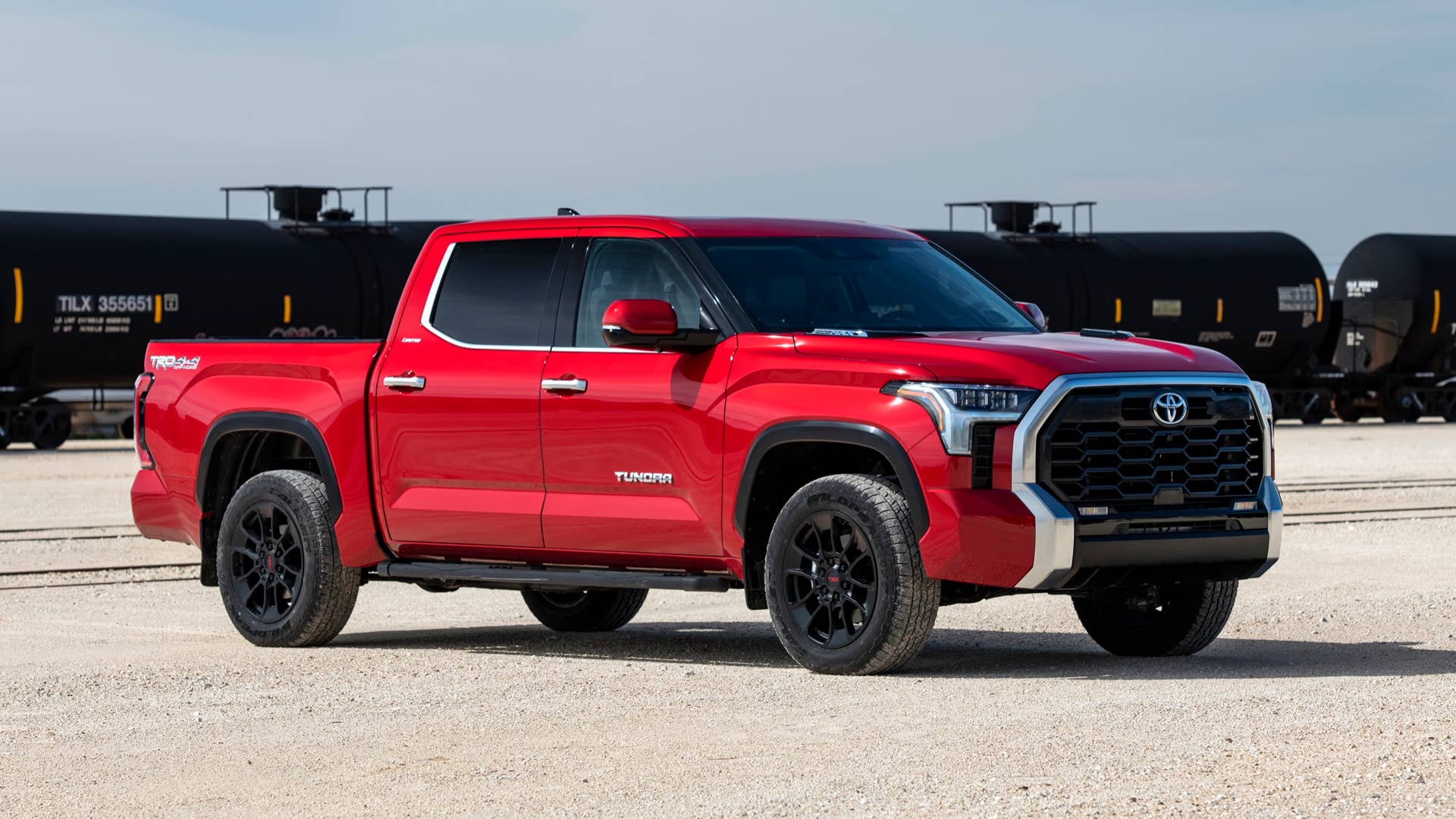
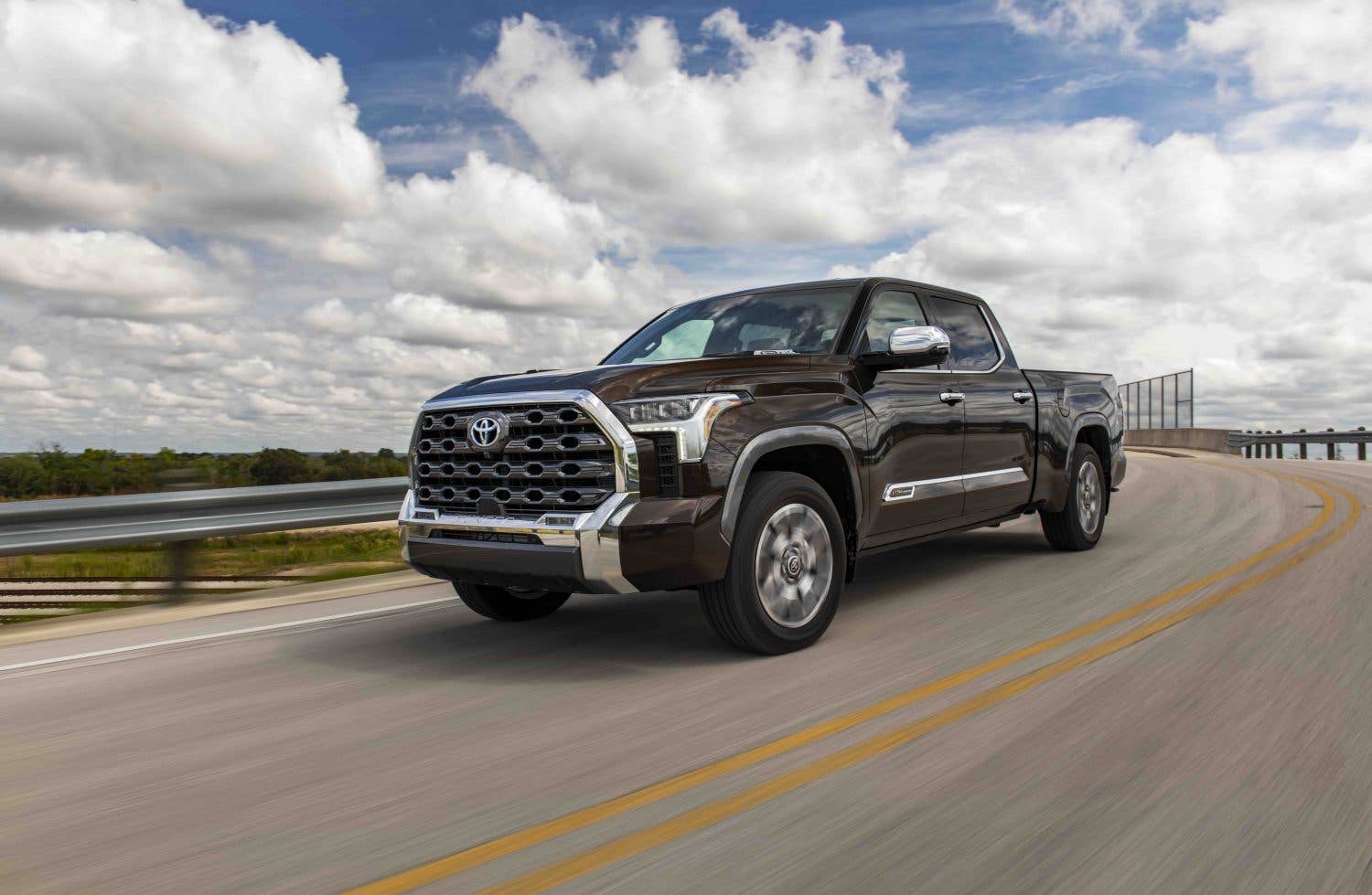
The latest evidence rolls out of the truck world, where the Tundra's twin-turbo V6 saga has taken a turn so absurd it borders on parody. A replacement engine — fitted under warranty, looking nearly new — has failed again. When the fix inherits the same terminal disease as the original, you're no longer dealing with quality control. You're dealing with a faulty engineering premise.
A Pattern of Systemic Failure, Not Bad Luck
The details emerging from owner reports and service bay chatter paint a picture far more troubling than isolated misfortune. The Tundra's 3.4-liter twin-turbocharged V6 — both the i-Force Max hybrid and its non-hybrid sibling — has been plagued by issues ranging from excessive oil consumption to catastrophic internal failure. Toyota's initial response was a recall spanning a massive swath of 2022 and 2023 models, with the remedy being complete engine replacement.
That's a costly, invasive fix that should, in theory, reset the clock. Yet the anecdotal evidence now suggests the replacement units are suffering the identical fate. A machine that looks pristine on the outside is coming apart on the inside. That points to a fundamental design or manufacturing flaw in the component itself, not a batch of bad castings. When the replacement part carries the same genetic defect as the original, you've crossed the line from warranty headache to engineering indictment.
The Unbothered Existence of the Sedan Roster
Now contrast this chaos with the serene, drama-free existence of the RAV4, the Highlander, and the entire sedan roster. Those vehicles run naturally aspirated four-cylinders and hybrid powertrains refined over more than a decade. They're boring by modern standards, technically outdated, and utterly dependable. That disparity sits at the crux of the cognitive dissonance.
The reliability myth is built on the back of powertrains Toyota refuses to overcomplicate. The moment the brand applies forced induction and high-strung tuning to a full-size truck, the magic evaporates. The Tundra isn't a niche product; it's a flagship, a profit center, and a statement of intent in the American market. Yet its engine bay has become a liability that would have crippled a lesser brand's credibility.
Why does Toyota get a pass? Because the average consumer anchors on the sedan experience. They don't cross-shop a Camry against a Ford F-150; they view Toyota as a monolith of virtue. When a Tundra blows up, the narrative gets framed as an anomaly — a "bad apple" in an otherwise pristine orchard. But the orchard isn't pristine; it's just that the apples on the lower branches are easier to inspect. Even the Highlander, long considered the safe choice for suburban families, now faces scrutiny for its own issues. The cost-cutting pressures of the modern era respect no sacred cows.
The Irony of Racing Precision vs. Road-Going Reality
The Tundra's repeated V6 failure is the more damning indictment because it follows a pattern of arrogance. Toyota waited too long to enter the turbo truck race, rushed a complex motor to market, and is now paying the price in warranty claims and owner frustration. The irony is thick when you consider the racing side of the house. Toyota's endurance racing program is a masterclass in engineering precision — yet the road-going truck engine can't survive a commute.
Brand reputation is not a universal solvent. It cannot dissolve the reality of a faulty crankshaft or a compromised oil pump. If Toyota wants to maintain the myth, it must either return to the naturally aspirated simplicity that built its name or acknowledge that the Tundra is a complex, high-strung machine requiring a level of tolerance usually reserved for European luxury brands.
Until the company addresses the root cause of these engine failures — rather than merely swapping out defective units with equally defective replacements — the Tundra will remain a glaring contradiction to the badge's promise. The sedans will keep you safe, but the truck is a gamble. And pretending otherwise is a disservice to every owner waiting for the check-engine light that signals another trip to the service bay.