There's a specific ache familiar to anyone who loves cars: the slow burn of reading a gorgeous, meticulously crafted review of a machine that will never sit on your driveway. Top Gear has built an empire on exactly that ache. The magazine and its sprawling digital operation routinely pour thousands of words into limited-run hypercars, coachbuilt specials, and pre-production concepts that exist in numbers you could count on two hands. And still, the reviews keep coming.
The lazy explanation is aspiration — dream cars sell magazines, and they always have. But the real reason cuts deeper, and it has everything to do with what Top Gear actually is: not a buyer's guide, but a cultural barometer.
The Practical and the Impossible, Side by Side
Look at the recent spread of Top Gear coverage and the pattern jumps out. There's a long-term review of the Volvo ES90, a sensible electric executive car you genuinely can buy. There's a dissection of the BMW i3 M60 and its 604bhp, a car that will almost certainly reach showrooms. There's even a list of eleven used Jaguars to buy if the new Type 01 EV leaves you cold — pure consumer service, the kind of thing that pays the bills.
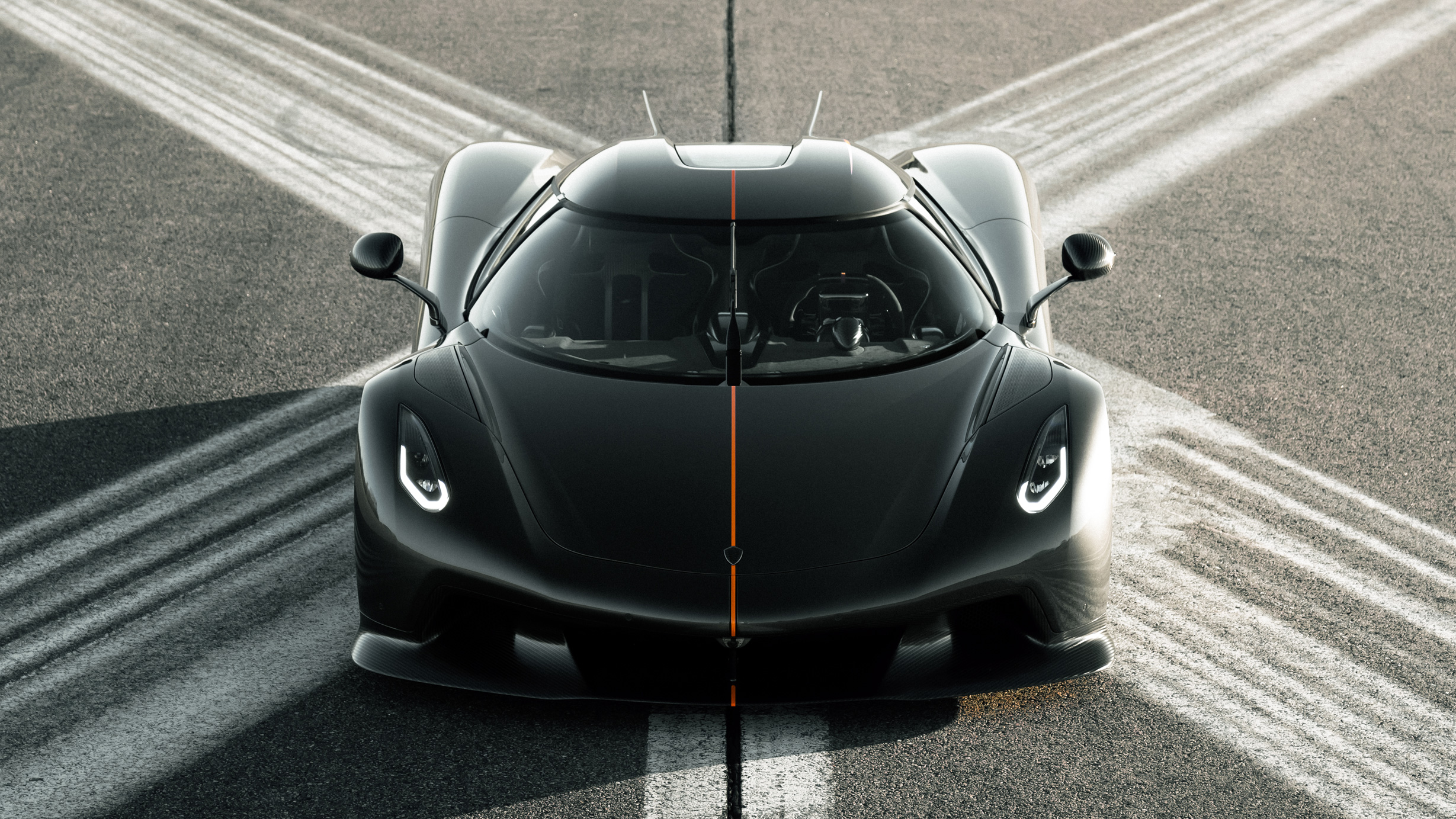
Then, sitting right alongside all that practicality, you get a Ghostbusters-themed Rivian Ecto-R1. A 150mph superkart tested by a former presenter. A revived Honda NSX in the form of the V6-engined JAS Tensei. None of these are cars you'll casually order online. That is precisely the point.
The Unattainable Car as a Stress Test
When Top Gear reviews a hyper-limited special or a motorsport-derived one-off, it isn't really evaluating a product. It's measuring the outer edge of what the industry is currently capable of — and, by extension, what will trickle down to the cars ordinary people drive a decade from now.
The Jaguar Type 01 is the perfect case study. Here is a luxury electric GT from a brand that has spent years in the wilderness, and Top Gear has already published sixteen things you need to know about it. Very few readers will ever configure one. But the car signals the direction of an entire manufacturer, and that matters to everyone who cares about where the market is heading. The halo car isn't a sales pitch to you. It's a weather report for the whole industry.
Obsession, Not Purchase Intent
There's also a commercial logic here that has nothing to do with moving metal. Top Gear is, first and foremost, an entertainment brand. The recent news that the BBC has confirmed the television show will return — host still unknown — sits alongside reports of a Clarkson's Farm special that takes Jeremy Clarkson back to his motoring roots. The magazine's digital arm, meanwhile, has expanded into gaming coverage, from GTA 6 radio stations to the delayed Forza Horizon 6.
The through-line isn't purchase intent. It's obsession. A review of a car you can't buy performs the same function as a review of a video game you'll never play or a farm you'll never run: it invites the reader into a world they're curious about, and it rewards that curiosity with genuine expertise. You don't read it to decide. You read it because you can't help yourself.
Why the Dream Car Never Leaves the Pages
This is why the unattainable review will never disappear from Top Gear, no matter how many Volvo ES90s pass through the long-term fleet. The magazine understands that its audience isn't shopping. It's dreaming, comparing, arguing, and — above all — staying engaged with a culture that extends far beyond the showroom. The cars you can't buy are the ones that keep the conversation alive. The cars you can buy are merely the receipts.