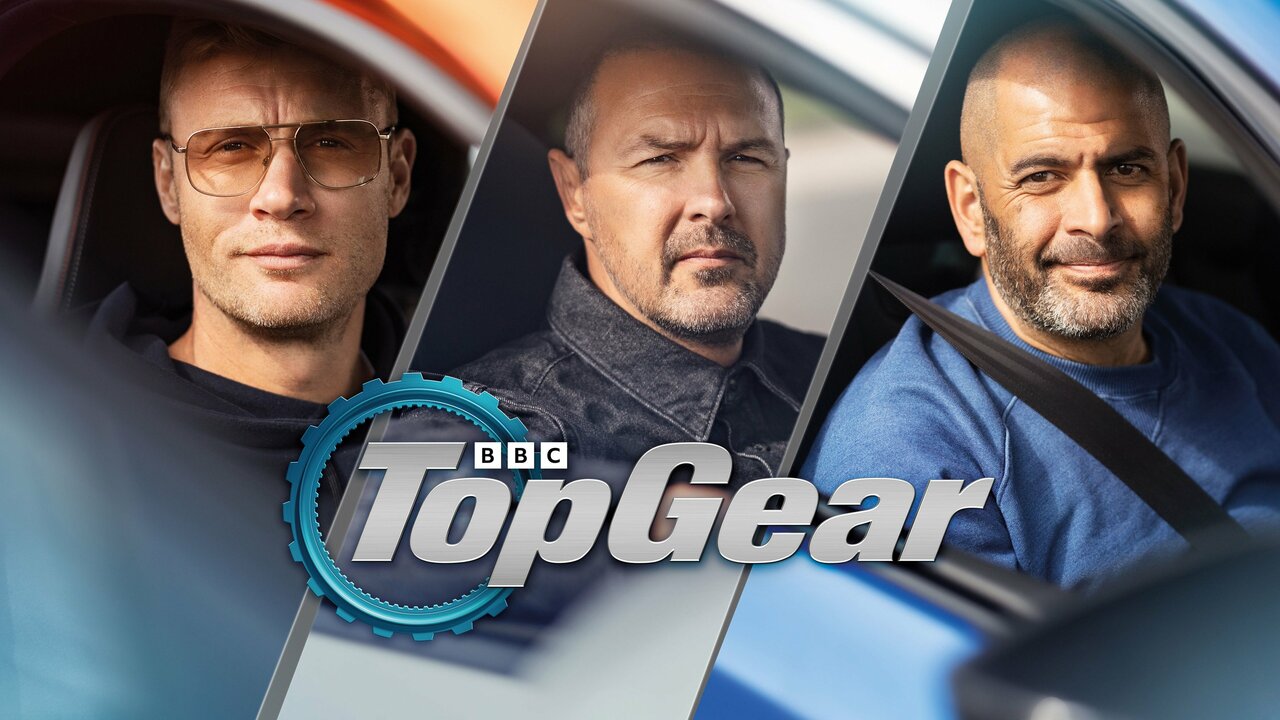
Top Gear has a version of itself that plays it straight: supercar unveilings, Nürburgring lap times, long-term tests of family crossovers that nobody actually wanted to read. Then there is the other Top Gear — the one that has quietly become the most gloriously unhinged corner of motoring journalism, where a magazine will pivot from a 1,578bhp Bugatti Destrier to a listicle about nine funky Brazilian cars with Volkswagen engines, and treat both with precisely the same earnest reverence. This is not editorial inconsistency. It is the publication's greatest strength, and it deserves defending.
Consider the evidence. In any given week, Top Gear might publish an in-depth look at Bentley's first ever EV and the new Bentley Torcal, the most powerful Flying B ever built, before immediately detouring into a £350 premium GTA 6 merch box that doesn't even include the game. It will run a long-term review of a Smart #5 Brabus alongside a feature on Horacio Pagani's favourite car — where the great man himself admits it "depends on the mood I wake up in." It will celebrate three little Pags across Italy in the Zonda F, Huayra and Utopia Roadsters, and then, without missing a beat, rank Mario Kart 8 Deluxe among its 50 greatest games of all time, with the crucial caveat: but only when you win.
That caveat is the whole point.
Obsession Doesn't Respect Categories
The mainstream motoring press reviews cars. Top Gear obsesses over them, and obsession does not respect the boundaries of category. It spills into manual gearboxes — seven of the greatest ever built, a piece that treats a shift linkage with the same seriousness as a hypercar's aero package. It spills into restomods, where the TWR Supercat becomes "XJ-S by Iron Maiden," a Jaguar with a sense of humour. It spills into the genuinely obscure: the Renault 8 Gordini Concept, a retro rear-wheel-drive two-seater coupe that no buying guide would ever commission. It spills into the frankly bewildering, like the CEER Exobots, 1,000bhp+ EVs from Saudi Arabia.
The instinct to dismiss these as filler misses what is actually happening.
The Trojan Horse
A list of twelve French hot hatch legends for less than Peugeot's new GTI is not a listicle in the throwaway sense. It is a thesis about value, nostalgia and the quiet death of affordable performance, smuggled inside a format that makes it palatable. The weird obsessions are Trojan horses for real criticism. When Top Gear commits 3,000 words to Brazilian Volkswagens, it is also documenting a parallel automotive history that the Anglo-German canon routinely ignores. That is not whimsy. That is journalism doing something the market rarely rewards.
A Bugatti and a Gearknob
This is why the BBC's confirmation that the Top Gear television show will return — with the inevitable question of who will host — feels less like a reboot and more like a reminder of what the brand has always been. The television programme's legacy rests on the chemistry of its presenters, but the magazine's rests on something more durable: a refusal to decide, in advance, what counts as important. A Bugatti and a gearknob can share a homepage without either being diminished.
Most car titles are, at heart, catalogues. They exist to tell you what to buy and what to aspire to, and they perform that function competently. Top Gear does something stranger and more valuable. It treats the entire sprawling, irrational, frequently silly world of cars as worthy of sustained curiosity — and in doing so, it produces the kind of writing that lingers. The weird obsessions are not a distraction from the serious reviews. They are the serious reviews, wearing a more interesting jacket.