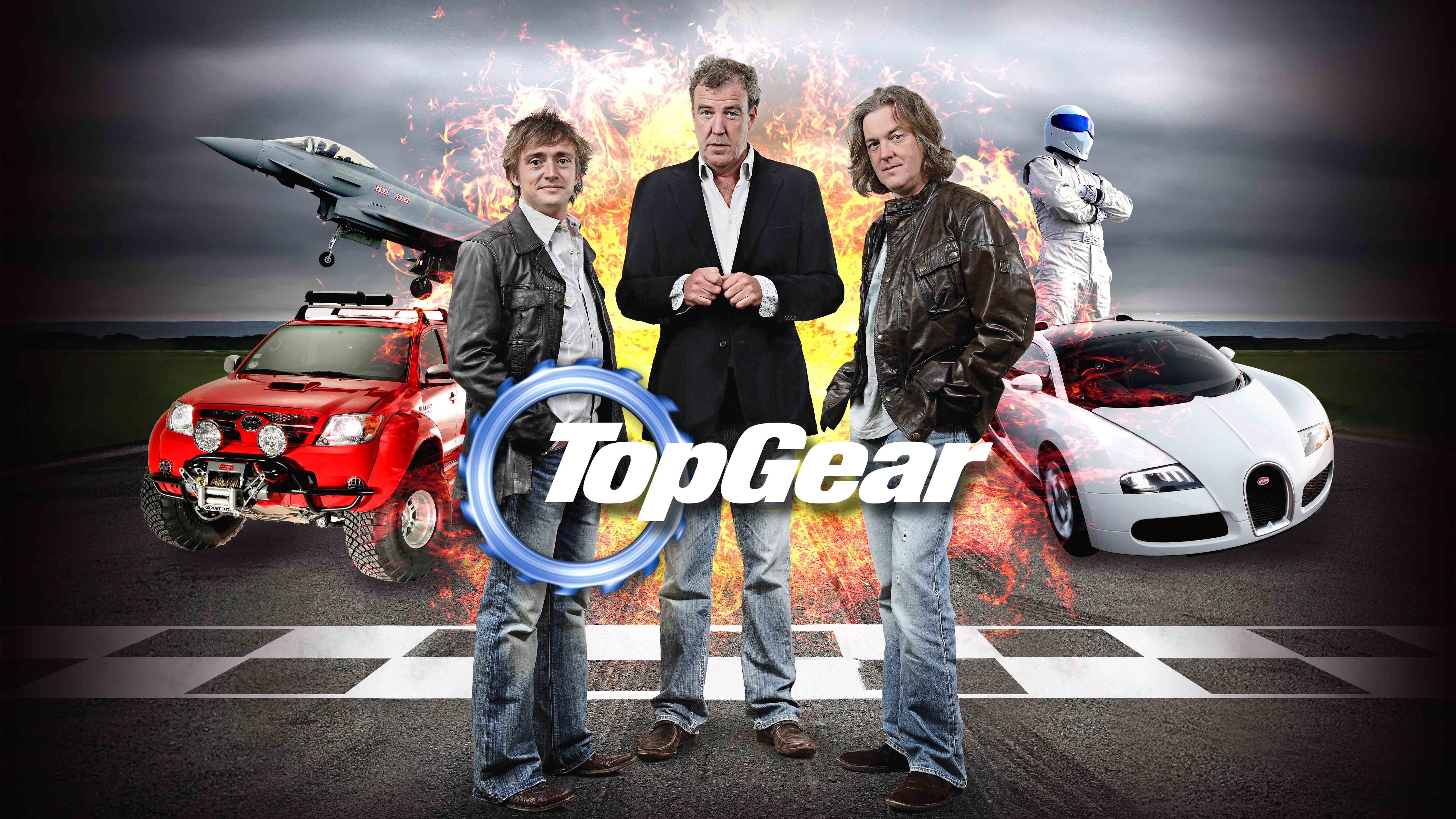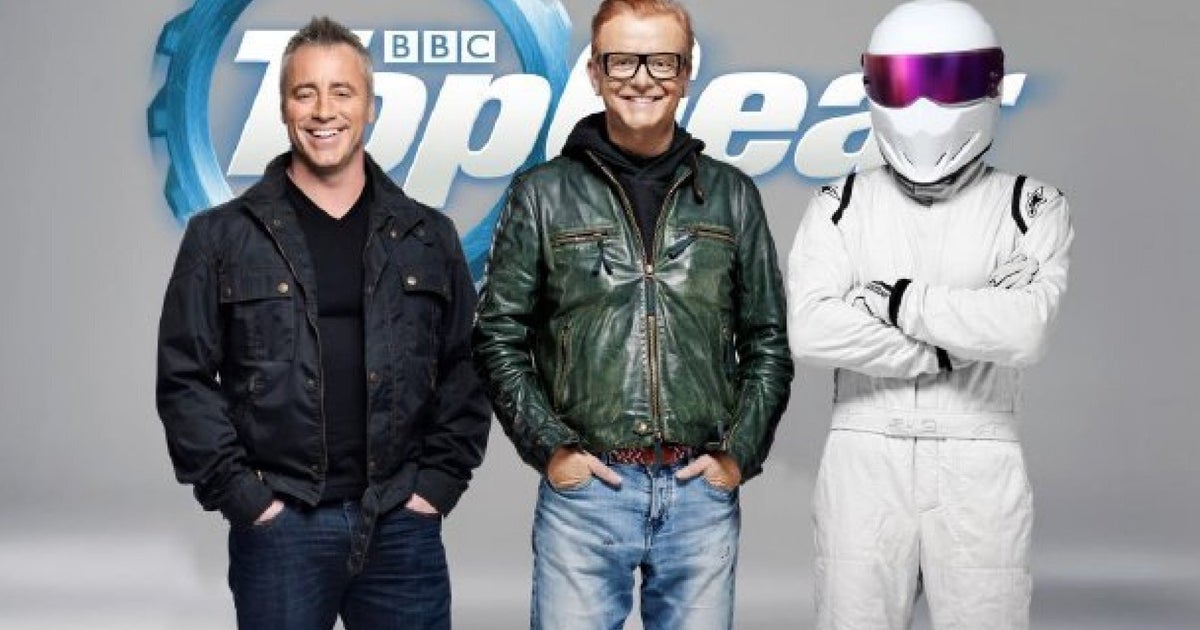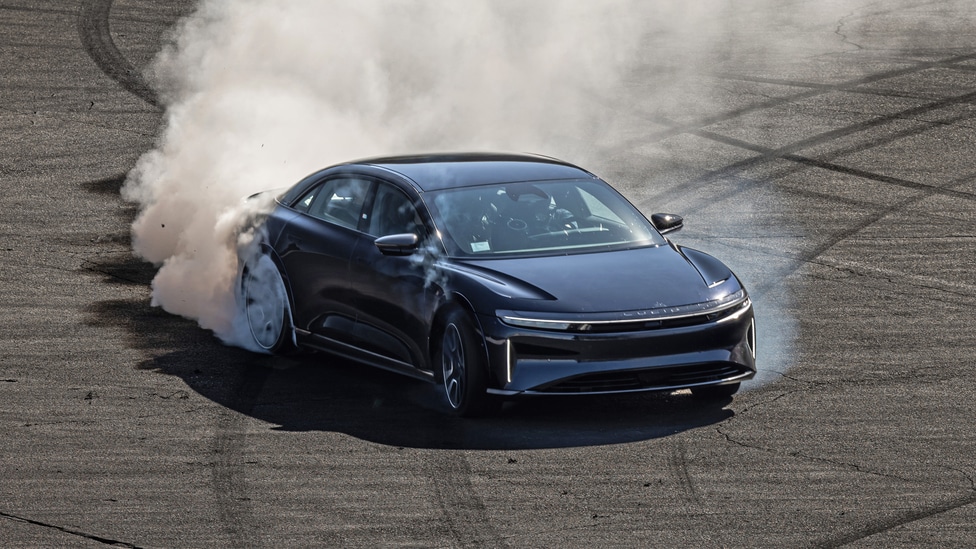
When the BBC confirmed that Top Gear would return to television, the news landed less like a triumphant engine roar and more like a tentative turn of a key. The circumstantial evidence around the announcement is oddly revealing: speculation that Jimmy Carr might host, reports that the show plans to bring back a "classic element," and a digital slate that keeps churning out reviews of cars like the Volkswagen ID. Polo and the Mazda CX-6e. The brand is clearly trying to reconcile two irreconcilable impulses — nostalgia for the petrol-soaked glory days and the unavoidable reality that the cars it must now review are increasingly electric.
That tension is the whole ballgame. The Irish Times recently described the show's enduring formula as "three men cosplay as an early 2000s trio who recall rationing, old money and petrol's purpose." It was meant as a jab, but it's also a diagnosis. Top Gear built its modern identity on a very specific kind of car culture: the clatter of a cold V8, the smell of unburnt fuel, the theatrical contempt for anything sensible. That identity cannot simply be transplanted into an electric era without either becoming parody or collapsing into irrelevance.
The Problem With Nostalgia
The solution is not to pretend EVs are exciting in the same way combustion cars were. They aren't, and audiences can smell condescension. The solution is to rediscover what actually made the show work in the first place — and it was never really the engines. It was the characters, the absurd challenges, the willingness to treat cars as vehicles for human drama rather than spec sheets. A Rimac or a Porsche Taycan can carry a presenter across a continent just as a Ferrari 458 once did. The drama lives in the journey, not the cylinder count.
What Top Gear must avoid is the trap of becoming a heritage act. The digital brand is already dangerously close to that: a recent piece rounded up "12 interesting used classic cars for less than a new Dacia Spring," and another celebrated the Bovensiepen Spider as "Old Alpina's" modified BMW Z4. These are fine articles, but they cater to an audience that is ageing out. The show's future depends on whether it can make a Toyota GR training programme for aspiring racing drivers feel as culturally urgent as a Mercedes-AMG CLE 646 V8 super coupe. That's not a technical challenge. It's an editorial one.
Reframing the Past, Not Erasing It
The good news is that the petrolhead past doesn't need to be erased. It needs to be reframed as context rather than scripture. Top Gear can still celebrate the Porsche stake in Bugatti or the resurrection of the C63 nameplate without treating electrification as a betrayal. The best car writing has always been about change — about how technology reshapes desire. The show should lean into that. An EV era doesn't mean the end of speed, craftsmanship, or absurdity. It means a different set of tools for delivering them.
Honesty Over Hype
If the reboot wants to matter, it should stop mourning the past and start interrogating the present. The hosts don't need to pretend to love every electric crossover. They need to be honest about what's gained and what's lost, and to find the humour and pathos in that trade-off. Top Gear was never really about cars. It was about people who care too much about cars. That species still exists. It just drives different things now.