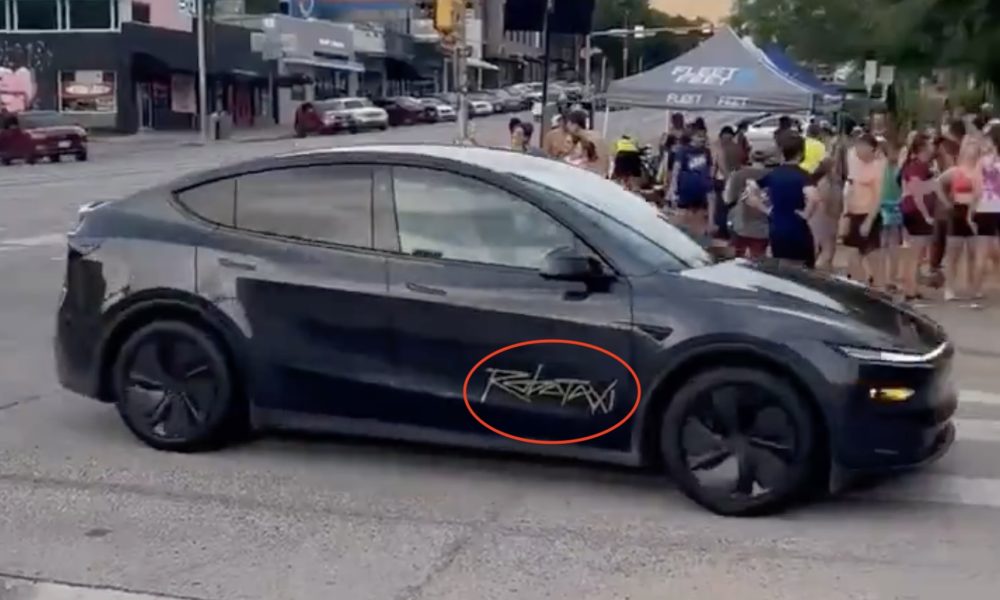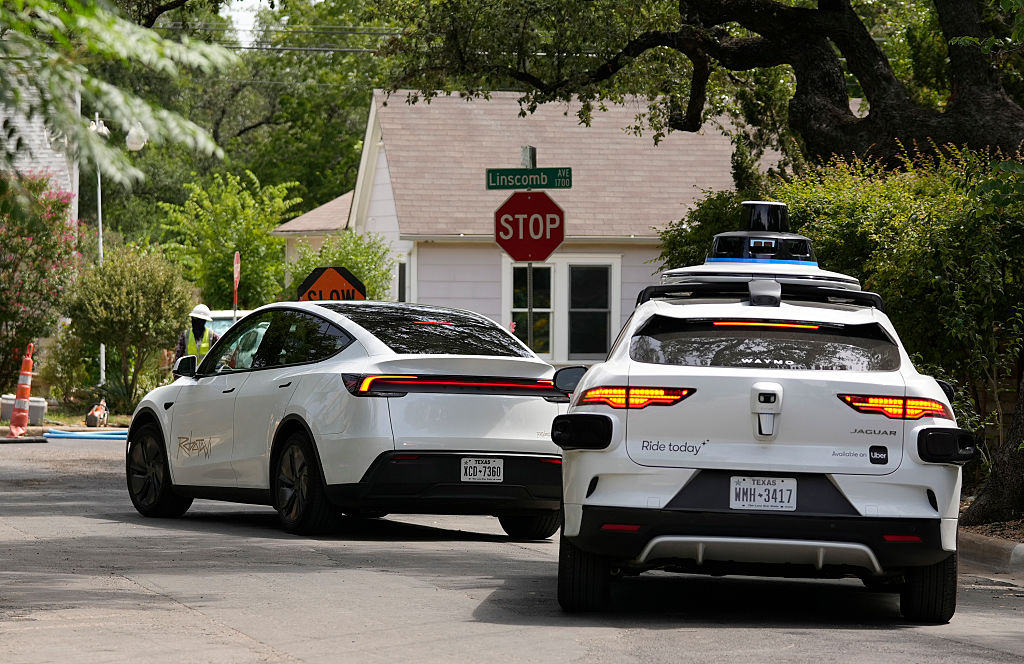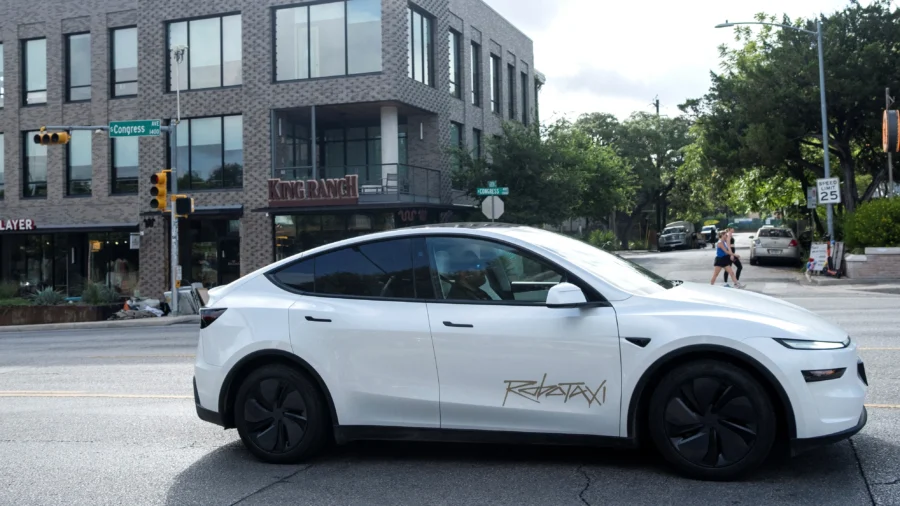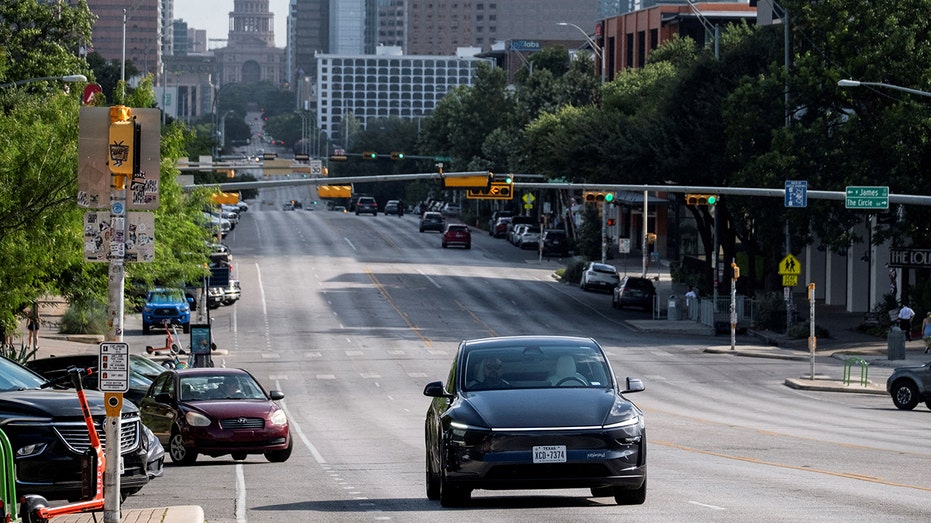
Tesla has never waited for permission. Gigafactories rise at breakneck speed, software updates rewrite a car's behavior overnight, and regulatory process has long been treated as an obstacle to be managed rather than a boundary to be respected. That instinct is now colliding with reality in Texas, where Tesla's Robotaxi service has been operating on an expired state license — a detail that cuts to the heart of the company's most ambitious bet.
According to reporting from KXAN Austin, the permit authorizing Tesla's autonomous ride-hailing operation in the Lone Star State lapsed, yet the service continued to run. For a company staking its trillion-dollar future on autonomy, this is not a clerical footnote. It is a governance problem dressed as a paperwork problem. Tesla is asking the public to trust software with no human backup, while its corporate apparatus apparently couldn't track a renewal date.
Momentum Meets Paperwork
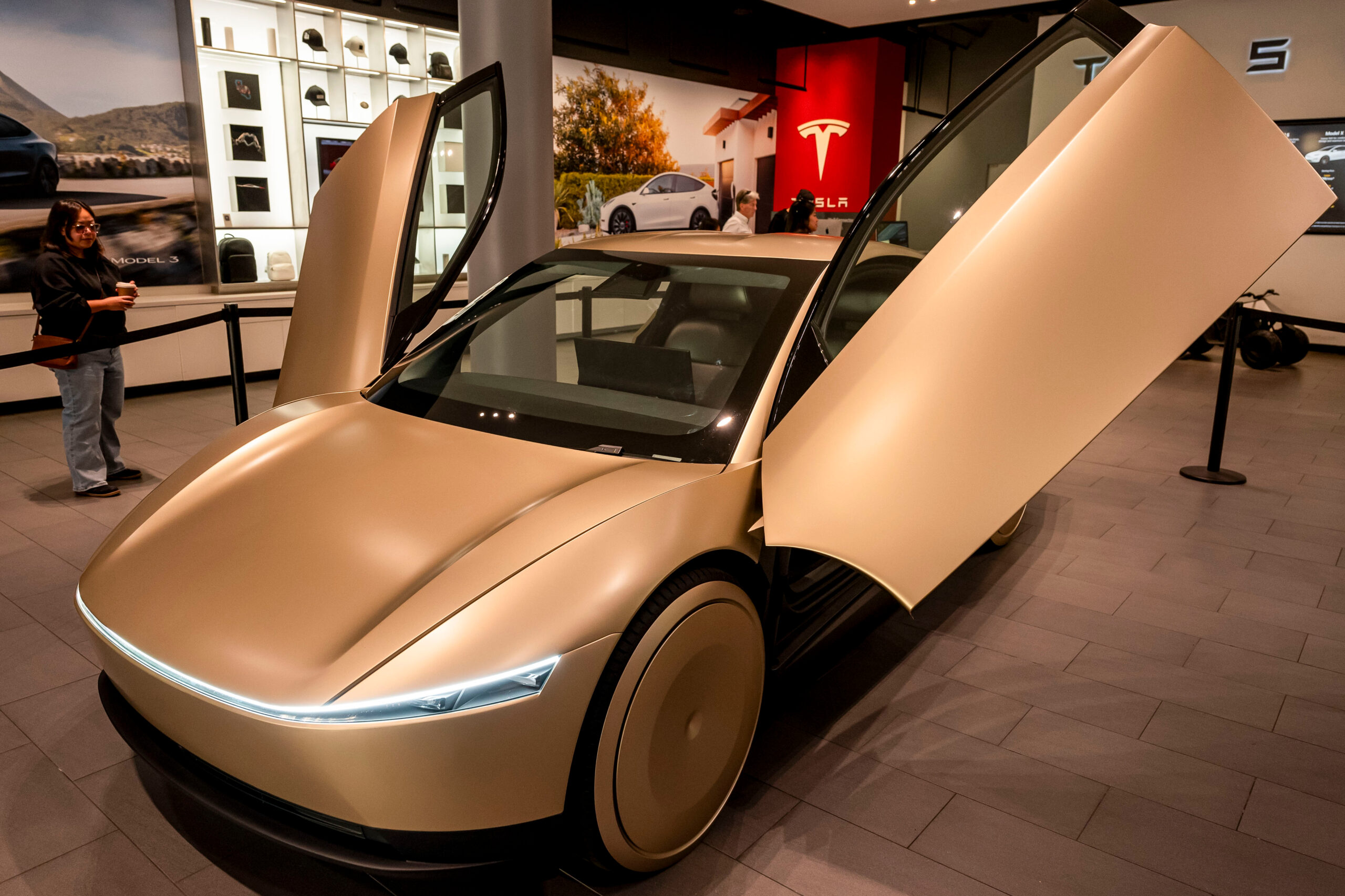
The lapse arrives at a moment of extraordinary momentum for Tesla's autonomy narrative. Golden cybercabs have been spotted in Pittsburgh. In-house battery production is being positioned to give the Cybercab a structural cost advantage. And the company continues to push Full Self-Driving as the foundation of a robotaxi fleet that could one day dwarf its vehicle sales business. Every one of those data points depends on a single assumption: that regulators, riders, and investors believe Tesla can operate safely and lawfully at scale.
Texas was supposed to be the proof. The state's light-touch regulatory posture made it the ideal laboratory for Tesla's driverless ambitions — a place where the company could demonstrate that autonomy works best when government gets out of the way. Instead, the expired license suggests the opposite lesson: that even in a permissive environment, operational discipline matters. A lapsed permit is not a catastrophic failure, but it is precisely the kind of unforced error that erodes confidence when the stakes are measured in human lives.
Scrutiny on Multiple Fronts
The timing is especially uncomfortable because scrutiny of Tesla's driving systems is intensifying on multiple fronts. In Belgium, safety researchers found that Full Self-Driving repeatedly exceeded speed limits and attempted prohibited cyclist passes — findings that Reuters and others covered as evidence that the system's real-world judgment remains unreliable. Meanwhile, a tragic incident in Southern California, where a father backing a Cybertruck struck and killed his six-year-old son, has renewed questions about the interface between Tesla's technology and basic human factors. None of these stories are equivalent, but together they form a pattern: a company moving faster than the systems — technical, legal, and institutional — meant to keep it accountable.
The Cost of Moving Fast
Tesla's defenders will argue that the Texas lapse is trivial, and in isolation they may be right. But Tesla is not operating in isolation. It is simultaneously reopening Roadster reservations at a $50,000 deposit, watching its stock swing on the promise of a product reveal, and winning a lead role in a 2,500-truck electric Class 8 order that positions the Semi as a serious commercial platform. The company is asking the market to price in a future where Tesla software drives millions of people and hauls freight across continents. In that future, an expired license isn't a rounding error — it's a warning.
The deeper issue is cultural. Tesla has built its identity on the premise that speed beats caution, that iteration outperforms deliberation, that the old rules are for companies that can't move. That philosophy produced genuinely transformative products. It also produced a robotaxi service running in Texas on a credential that had already expired. If Tesla wants the world to hand over the steering wheel, it will need to prove it can manage the mundane machinery of compliance with the same intensity it applies to engineering. Autonomy is not just a technical achievement. It is a promise that someone, somewhere, is paying attention. Right now, Texas is asking whether that someone is Tesla.