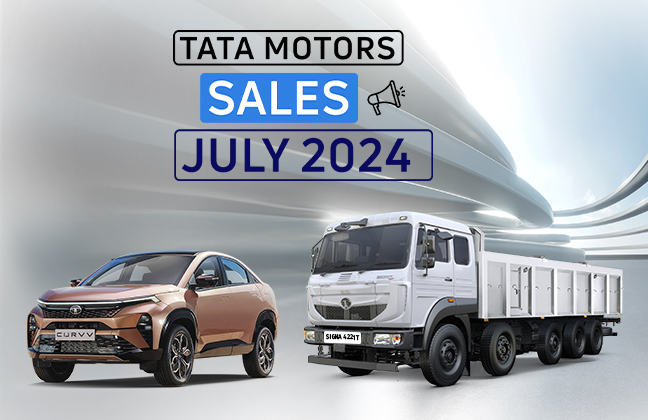
Tata Motors has spent the better part of a decade turning itself from a maker of utilitarian hatchbacks into a credible full-line OEM. The Nexon, Punch, and Curvv did the heavy lifting. The electric portfolio — led by the Nexon EV and Punch EV — handed the brand a technology narrative few rivals can match. Yet one gap has stubbornly resisted every product push: the sedan. Where the Tata Tigor competes, it does so largely on price and fleet appeal rather than genuine showroom desire.
That could be about to change, and the catalyst is not a new design language or a headline-grabbing concept. It is a supplier directive.
The Number That Changes the Arithmetic
According to reports, Tata Motors has asked its vendor ecosystem to prepare for capacity of 100,000 passenger vehicles a month from FY28. That is a staggering figure — roughly 1.2 million units annually, well above the company's current run rate. In the September quarter, Tata sold 1.97 lakh passenger vehicles, a 40 per cent year-on-year jump, and September alone accounted for 68,810 units, up 15 per cent. The company has publicly stated it aims to nearly double revenue and volume by 2031.
The supplier mandate is the first hard, unglamorous signal that those ambitions are being engineered into the supply chain rather than merely announced on an earnings call. Capacity talk is cheap on a podium. It gets expensive when you commit your vendors to it.
Why Sedans Have Always Been the Victim
Why does this matter specifically for sedans? Because sedans have always been the victim of Tata's capacity arithmetic. When a plant is constrained, the highest-margin, highest-volume body styles win — and in India, that means SUVs.
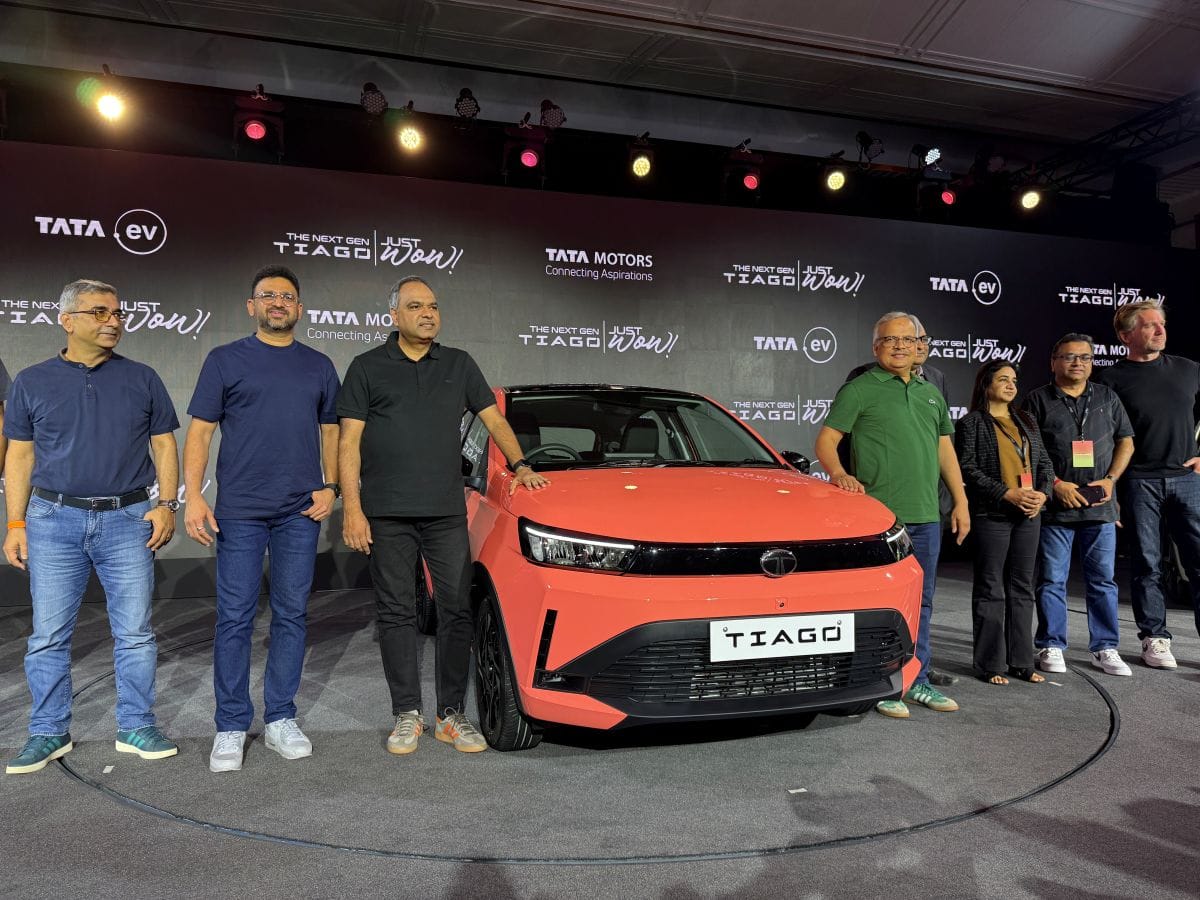
The Tigor, a competent compact sedan, has routinely been the odd one out. Its production prioritised behind the Nexon and Punch. Its marketing budget a fraction of its siblings'. A sedan cannot build road presence when it is starved of inventory and showroom attention. You cannot develop a driving feel that sells if the car is barely there to be driven.
Scale changes that equation entirely. At 100,000 units a month, Tata would have the volume headroom to give a sedan a proper lifecycle: a dedicated variant mix, competitive feature loading, and enough dealer stock to make it a genuine consideration rather than a special-order curiosity. That is the difference between a car you settle for and a car you ask to test drive.
An Offensive Bet, Not a Defensive One
The timing is also instructive. Tata has been warning of uncertainty over commodity costs and bracing for margin pressure, with profit falling sharply in recent quarters even as revenue rose. It has responded with price hikes across passenger and commercial vehicles.
In that environment, a supplier capacity bet of this magnitude is not a defensive move — it is an offensive one, predicated on firm demand and the belief that volume, not just price, will carry the margin recovery. Reuters has reported the company sees firm demand and is planning further price increases. The capacity ask suggests it expects that demand to be met, not rationed.
The EV Lever
There is a second lever here: the EV transition. Tata's earnings calls have highlighted record EV performance, and electric powertrains are structurally kinder to sedans than combustion ones. A low-slung, aerodynamic sedan benefits disproportionately from a battery pack's packaging advantages, and Tata's acti.ev architecture is designed to be body-style agnostic.
If the company can amortise that platform across a high-volume sedan, the economics that once killed the segment in its lineup could invert. A 100,000-unit monthly base gives an EV sedan a fighting chance at the kind of cost structure that makes it a mainstream proposition rather than a niche statement. That is how you get a sedan with genuine road presence — not by wishing for it, but by engineering the volume that lets it exist.
None of this is guaranteed. Commodity volatility, the JLR retail softness noted in recent business updates, and the sheer execution risk of scaling a supplier network to 1.2 million units are real obstacles. But the strategic logic is sound. Tata has spent years proving it can build desirable SUVs and credible EVs. The missing piece was never engineering capability. It was the industrial confidence to build sedans at a scale that lets them compete on presence rather than apology. The 100,000-unit supplier bet is that confidence, finally committed to paper. If it holds, the next Tigor — or whatever replaces it — may arrive not as an afterthought, but as a genuine contender.