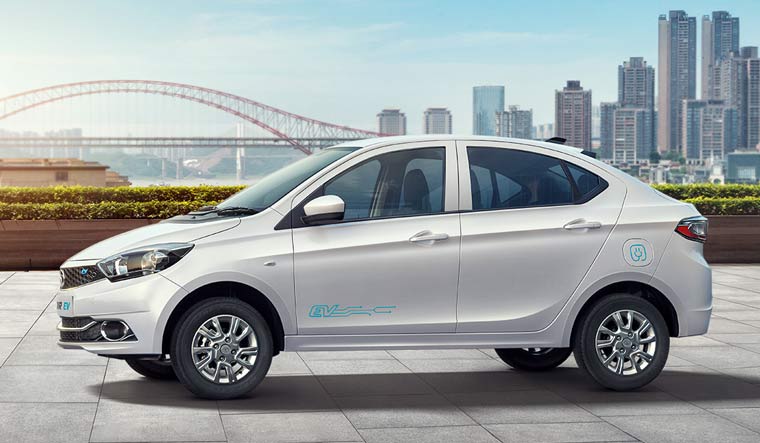
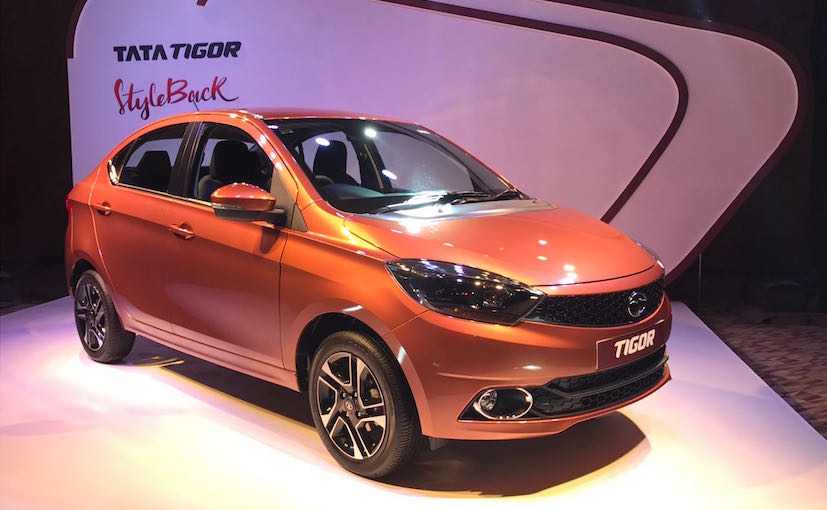
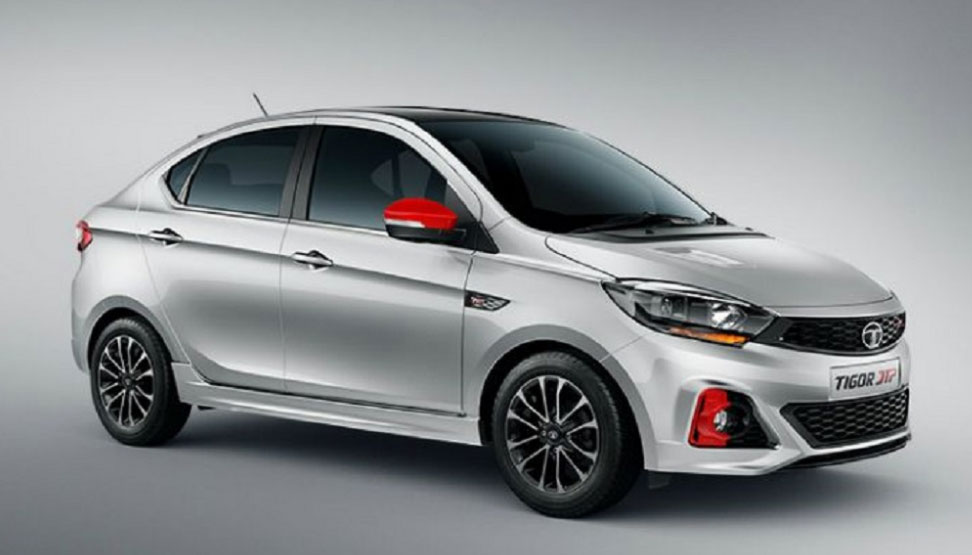
Tata Motors has spent the better part of a decade turning its passenger vehicle business from an also-ran into a genuine challenger. The Nexon, the Punch, the Harrier — each has earned its place in Indian driveways and, more importantly, in Indian conversations. Yet one corner of the showroom has remained stubbornly quiet. The Tigor, a competent compact sedan by any objective measure, has never managed to convert competence into desire. It sells, but it does not seduce. And now, with the Tata Aeris set to debut on September 25, the company faces a question it cannot afford to answer wrongly: can it build a sedan that people actually want to be seen in?
The stakes are higher than a single model's fortunes. Tata Motors PV has publicly stated its ambition to nearly double revenue and volume by 2031, and it has rolled out a fresh Tata.Cars identity to signal that intent. That kind of arithmetic does not work if the sedan segment — still a meaningful slice of the Indian market, and still the aspirational first upgrade for millions of hatchback owners — remains a footnote in the portfolio.
The Competitive Set Won't Make It Easy
The Aeris arrives into a competitive set led by the Maruti Dzire, the Hyundai Aura, and the Honda Amaze, all of which have spent years refining the art of being noticed. The Dzire, in particular, has turned the compact sedan into a default choice for buyers who want a boot without drama. Tata cannot out-Dzire the Dzire. It has to offer something the Dzire cannot.
That something, if the teasers are any guide, is presence. The Aeris appears to lean into the design language that made the Nexon and Harrier stand out — sharp creases, a confident stance, a face that reads as modern rather than merely inoffensive. This is the crux of the Tigor problem. The Tigor was never ugly; it was simply unmemorable. Its silhouette blurred into traffic. Its cabin, though well-packaged, lacked the visual theatre that makes a buyer linger at a showroom. In a segment where the buyer is often stretching a budget and seeking validation for that stretch, invisibility is fatal. The Aeris must be the antidote — a sedan that looks like a deliberate choice rather than a compromise.
The Commercial Case Is Brutal
There is a commercial backdrop that sharpens the urgency. Tata Motors PV recently announced price hikes from September, citing cost pressures, even as it reported a steep fall in quarterly profit and warned on margins. The broader financial picture is mixed: revenue has risen, but earnings have taken a hit, and JLR is simultaneously in discussions with global banks for a $1.3 billion five-year loan. In that environment, every new launch must pull its weight. A sedan that merely fills a gap in the lineup is a luxury Tata can ill afford. The Aeris needs to be a volume contributor, not a placeholder.
Tata Has Learned This Lesson Before
The good news is that Tata has been here before and learned the lesson. The shift from the old Zest and Bolt era to the Altroz and Nexon era was precisely a shift from anonymity to identity. The Aeris is the next test of whether that transformation can be extended to the most conservative corner of the market. It also arrives as Tata Motors is eyeing global markets and developing new products, with closer ties to JLR being pursued despite a shelved platform-sharing deal. A sedan that resonates at home strengthens the case for every export ambition that follows.
The Tigor was a car that asked to be considered. The Aeris must be a car that demands to be noticed. If Tata gets that right — if the sedan finally carries the same visual and emotional charge as its SUVs — then the invisibility problem ends not with a whimper but with a statement. September 25 is not just a launch date. It is the moment Tata finds out whether its sedan future has a face.