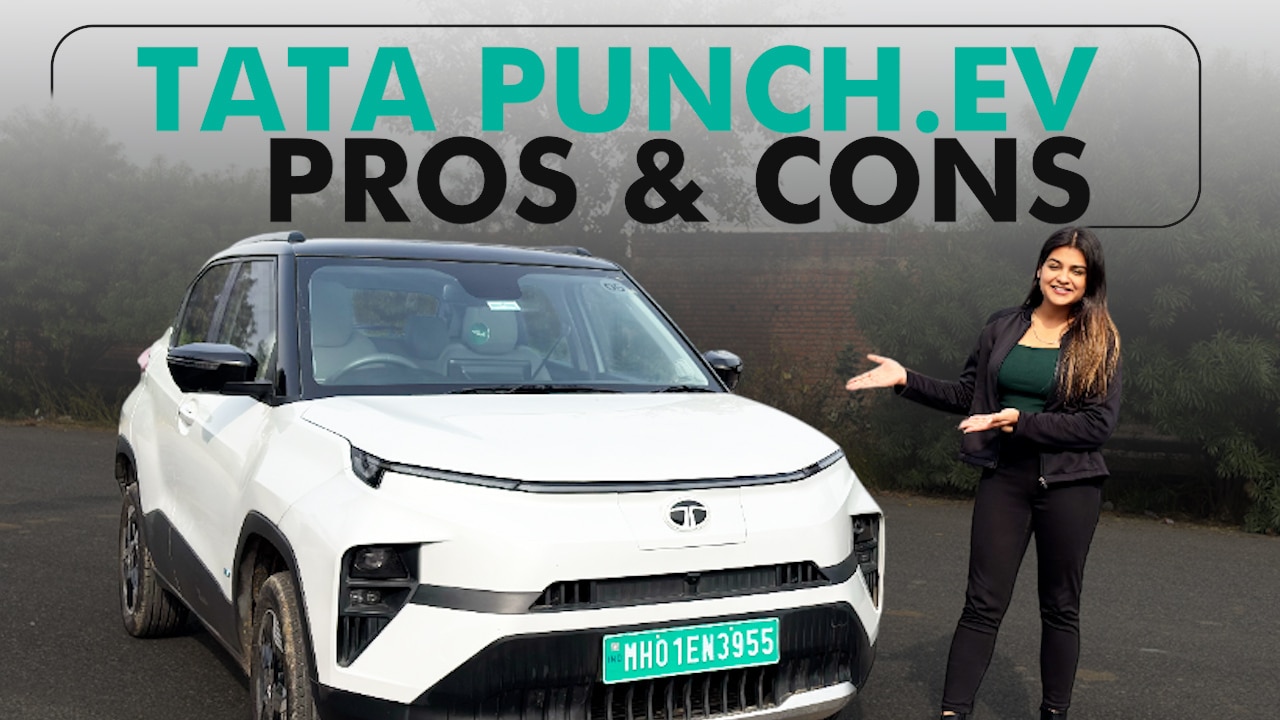
For years, the Indian electric car conversation circled the same tired question: when would EVs stop being a niche indulgence for the wealthy and become a genuine mass-market proposition? The answer, it turns out, arrived not with a flagship or a headline-grabbing halo model, but with a compact hatchback wearing a familiar badge. The Tata Punch EV has become the first electric car in India to cross 5,000 monthly sales — a milestone that reads less like a sales statistic and more like a tectonic shift in consumer behaviour.
Context is everything here. India's electric passenger vehicle market has long been characterised by cautious optimism and stubbornly modest volumes, with even the segment leader never quite breaking through the psychological barrier of genuine mainstream adoption. The Punch EV has now done precisely that — and it has done so against a backdrop of production constraints, not in spite of them.
Demand Outrunning Supply
Reports indicate that Tata Motors' electric car bookings have tripled even as manufacturing limitations cap deliveries — a demand signal so strong it borders on the uncomfortable. The constraint is no longer consumer appetite; it is factory throughput.
That distinction matters enormously. A market that must be coaxed with incentives and discounts is a market in its infancy. A market where bookings outstrip supply is a market that has found its footing. The Punch EV's achievement, therefore, is not merely that it sold well — it is that it sold well while the broader Tata electric portfolio posted 75% growth in October, with passenger vehicle sales rising 21% to 73,894 units. The rising tide is unmistakable, and the Punch EV is leading it from the front.
Why This Hatchback, Why Now
What makes this particular model the tipping-point candidate rather than, say, the Nexon EV that preceded it? The answer lies in positioning. The Punch EV occupies the sweet spot of Indian car buying — compact, affordable, practical, and now electric. It asks the mass-market buyer to make fewer compromises than ever before, and crucially, it does so at a price point where the total cost of ownership argument genuinely holds water. When the arithmetic finally favours the electric option for a middle-class family, the tipping point is no longer theoretical. It is a spreadsheet calculation, and Indian buyers have clearly run the numbers.
The Commercial Backbone Electrifies
The significance extends well beyond the passenger car showroom. Tata's electric ambitions are gathering pace across the commercial spectrum too, with Amazon set to deploy 3,000 Tata electric trucks across its Indian transportation network and the company securing over 3,400 electric commercial vehicle orders. This is the quieter, more consequential revolution — the electrification of the logistical backbone that moves goods across the country. When a global logistics giant bets its Indian last-mile operations on your electric trucks, the validation is profound.
A Platform, Not a Peak
There is a temptation to frame all of this as a triumph of marketing or government policy, but the more honest reading is that it reflects decades of institutional engineering investment. The impending arrival of models like the Tata Kuno Electric SUV, expected to challenge the MG Windsor EV in the 2027–28 timeframe, signals that the Punch EV's success is a platform for expansion rather than a peak. The pipeline is full; the ambition is not remotely sated.
The sceptics will, of course, counsel patience. One model crossing 5,000 monthly units does not a revolution make, and India's charging infrastructure remains a work in progress. But tipping points are rarely recognised in the moment they occur — they are identified in retrospect, when the curve bends and never bends back. The evidence is accumulating with unusual clarity: triple-digit growth in some months, bookings that outrun supply, commercial fleets electrifying at scale, and now a mass-market hatchback doing what no electric car in India has done before.
The Punch EV has not simply sold 5,000 units a month. It has demonstrated, conclusively, that the Indian buyer is ready. The question is no longer whether India will embrace the electric car. It is whether the industry can build them fast enough to keep up.