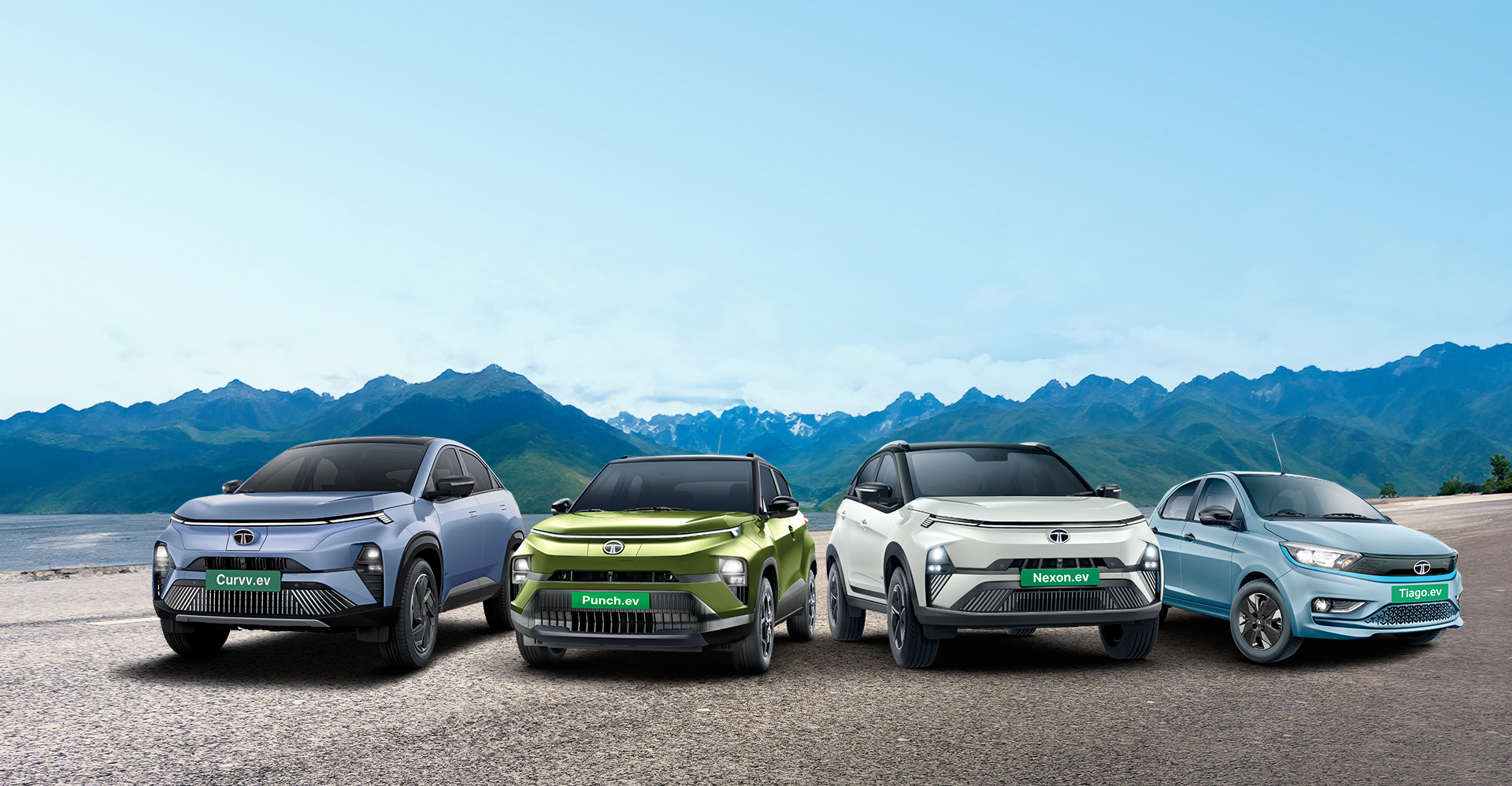
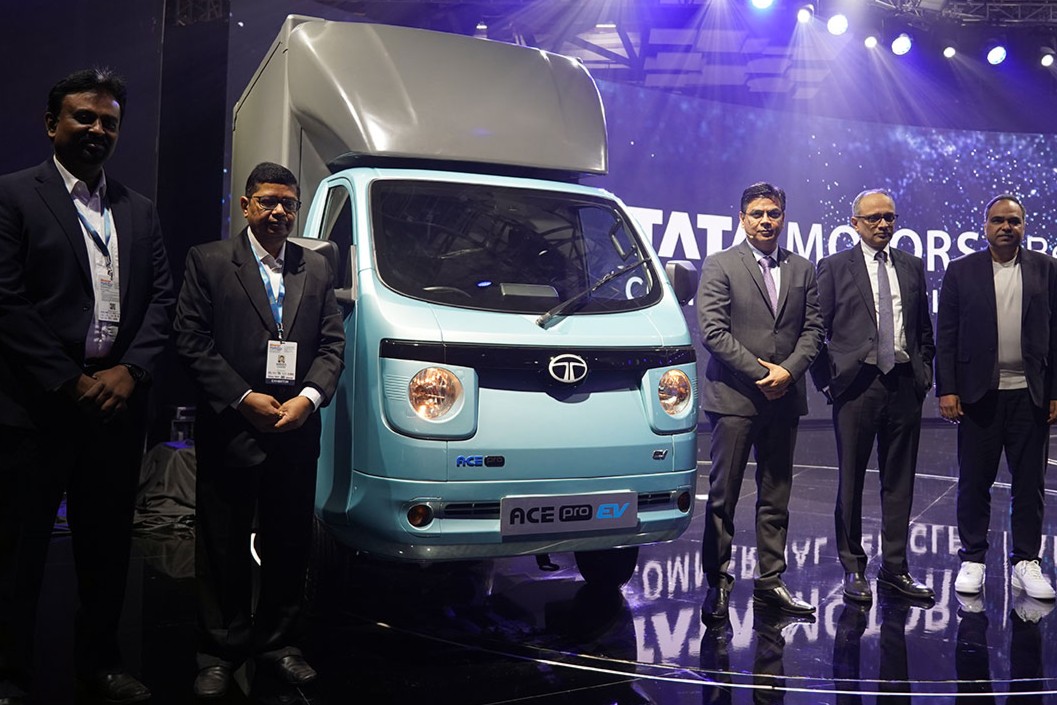
Tata Motors Electric has spent the better part of a decade building the most credible electric vehicle franchise in India. It commands the passenger EV market with an enviable share, has quietly assembled a commercial vehicle order book that would make rivals envious, and has just signed partnerships that could put over a thousand electric trucks on Indian roads. By any external measure, the momentum is extraordinary.
Yet beneath the headline bookings lies an uncomfortable truth that the company itself has begun to acknowledge: the ceiling on Tata's electric ambition is not demand, not dealer reach, and not consumer appetite. It is a shipment of lithium-ion cells from China.
A Demand Story That Reads Like a Supply Lament
The evidence is now impossible to ignore. Tata's electric car bookings have tripled over six months, a surge that should be cause for unqualified celebration. Instead, it has exposed a production constraint severe enough to cap deliveries, turning what should be a demand story into a supply lament.
The same pattern is emerging in commercial vehicles, where Tata has secured more than 3,400 electric CV orders across freight, logistics, and passenger mobility segments, including 500 e-bus orders. The order book is filling faster than the factory floor can respond, and the binding constraint runs through a supply chain that begins thousands of kilometres away.
The Geography of a Bottleneck
Tata has been candid about the mechanics of this bottleneck. The company expects the China cell supply constraint to ease by quarter-end, a phrasing that reveals both the problem and its geography. India's most important electric vehicle manufacturer, building products for Indian roads and Indian fleets, remains structurally dependent on Chinese cell supply to convert its order book into revenue. Every quarter of delay is a quarter in which bookings age, fleet operators defer deployments, and the leasing partnerships — including the Drivn MoU to deploy over 1,000 electric trucks — wait on hardware that cannot arrive fast enough.
The Irony at the Heart of the Order Book
This is the central irony of Tata's position. The commercial vehicle opportunity is arguably its most strategically valuable, because electric trucks and buses generate recurring revenue through charging, servicing, and fleet management arrangements that pure vehicle sales never could. Analysts have begun to frame Tata's CV arm as a business where electrification and recurring revenue streams will reshape the future. That thesis is sound — but it presumes the vehicles can be built. A leasing partner can sign a memorandum of understanding; it cannot sign for cells that are stuck in a queue.
The passenger vehicle side tells the same story in a different register. Tata's overall passenger vehicle sales have risen sharply, with EV demand doing much of the pulling, and the brand's market position has never been stronger. But bookings that triple while deliveries merely climb is a recipe for order-book indigestion. Customers who wait too long begin to look elsewhere, and the goodwill Tata has accumulated through early market leadership is not infinitely renewable. The question posed increasingly often — is Tata Motors becoming India's EV king? — has an answer that depends less on showroom traffic than on cell allocation.
Scale Without Supply Security
None of this diminishes what Tata has achieved. Building a dominant EV position in the world's most price-sensitive major car market is a genuine feat, and the commercial vehicle order book suggests institutional buyers trust the brand with serious capital. The Drivn leasing partnership is precisely the kind of structural innovation that expands the addressable market beyond cash-rich fleet owners. But scale without supply security is a promise the company cannot keep indefinitely, and Tata's own guidance betrays an awareness that the constraint is external, temporary only if geopolitics cooperates, and entirely outside its control.
The strategic imperative, then, is clear even if the execution is slow. Localising cell manufacturing, diversifying sourcing beyond a single geopolitical corridor, and securing binding supply agreements are no longer back-office concerns — they are the growth strategy.
Until that shift is complete, Tata Motors Electric will remain a company whose ambition is set by its order book and whose achievement is set by a container ship. The demand has arrived. The cells have not.