For a company that has spent the better part of a decade positioning itself as the flagbearer of India’s electric revolution, Tata Motors is now facing an entirely new kind of headache—not from a lack of demand, but from an overwhelming surplus of it. The numbers emerging from the past six months are nothing short of staggering: EV bookings at Tata have tripled, while August passenger vehicle sales surged 59 percent year-on-year, driven almost entirely by the electric lineup. Yet beneath this celebratory surface lies a paradox that would make any production planner wince. The company is effectively turning away customers, not because they don’t want the cars, but because Tata simply cannot build them fast enough. When a manufacturer’s biggest obstacle is its own popularity, the narrative shifts from *convincing buyers* to *managing expectations*—and that is precisely where Tata Motors now finds itself.
The Demand Curve Just Went Vertical
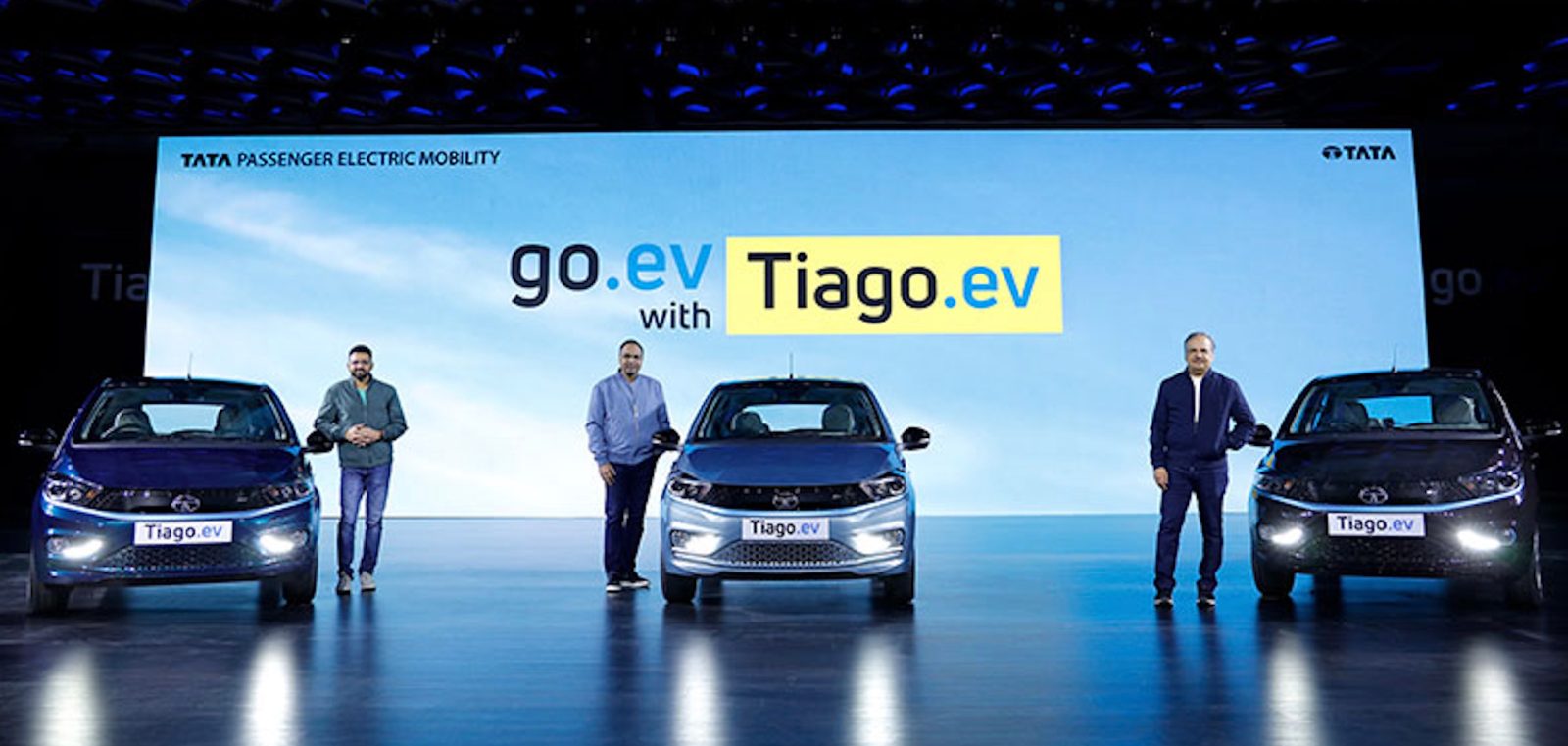
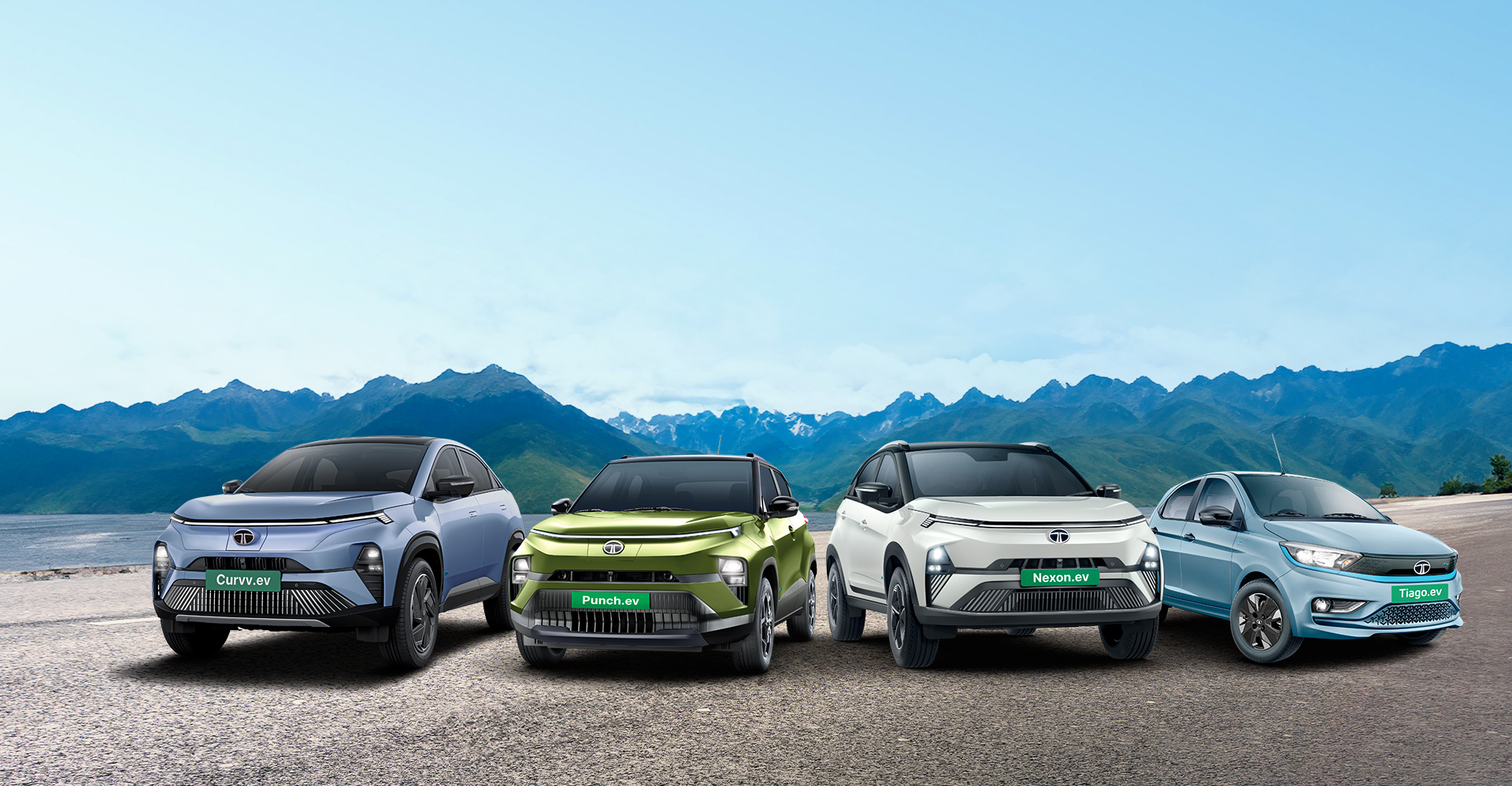
The demand spike is not a fluke; it is the culmination of years of calculated groundwork. With the Nexon EV, the Tiago EV, and the recently launched Punch EV, Tata has carved out a dominant position in a market that is still in its infancy. The company holds roughly 70 percent of India’s electric passenger vehicle market, a stranglehold that shows no signs of loosening. But the August sales report reveals a more telling statistic: EV sales grew by 94 percent year-on-year, a near-doubling that has outstripped even the most optimistic internal forecasts.
The bookings tripling in just six months is not merely a metric of consumer confidence; it is a signal that the Indian buyer has crossed a psychological threshold. The fear of range anxiety, charging infrastructure, and resale value is being replaced by a pragmatic acceptance that electric is not the future—it is the present. And Tata, as the default choice, is reaping the whirlwind.
Why the Factory Floor Is the New Battleground
However, the production cap is not just about assembly line speed; it is a complex web of supply chain dependencies that Tata is only now learning to navigate. The most immediate bottleneck, as reported by The Economic Times, is the China cell supply constraint—a reminder that even a proudly domestic manufacturer is tethered to global geopolitics and lithium-ion logistics. Tata expects this particular issue to ease by the quarter’s end, but the structural problem runs deeper. Battery cells, semiconductors, and even the specialised tooling for EV platforms are not commodities that can be ramped up overnight.
Every vehicle that rolls off the line requires a precise choreography of components, and when bookings triple, the music stops. The company’s strategy of localising battery production through Agratas, its in-house cell manufacturing arm, is a long-term salve, but it does little to satisfy the customer waiting six months for their Nexon today.
The Counterintuitive Price Play
What makes this situation particularly fascinating is Tata’s response. Rather than aggressively expanding capacity at the expense of margin or quality, the company has chosen to manage demand through pricing. In a move that stunned the industry, Tata became the first Indian carmaker to slash EV prices by 1 to 8 percent, a tactical decision that appears counterintuitive during a supply crunch. Yet the logic is razor-sharp: by reducing prices on slower-moving variants and entry-level trims, Tata is attempting to steer demand toward models that the factories can actually produce. It is a demand-shaping exercise disguised as a customer-friendly gesture.
The price cuts also serve a secondary purpose—pre-empting competition from the likes of MG, Mahindra, and the upcoming wave of Chinese-influenced entrants who are eyeing Tata’s market share with predatory intent. In a market where the first-mover advantage is rapidly eroding, Tata is using its pricing power to build a moat, even if it means temporarily sacrificing revenue per unit.
Beyond the Passenger Car: Trucks, Buses, and 25 Crore Kilometres
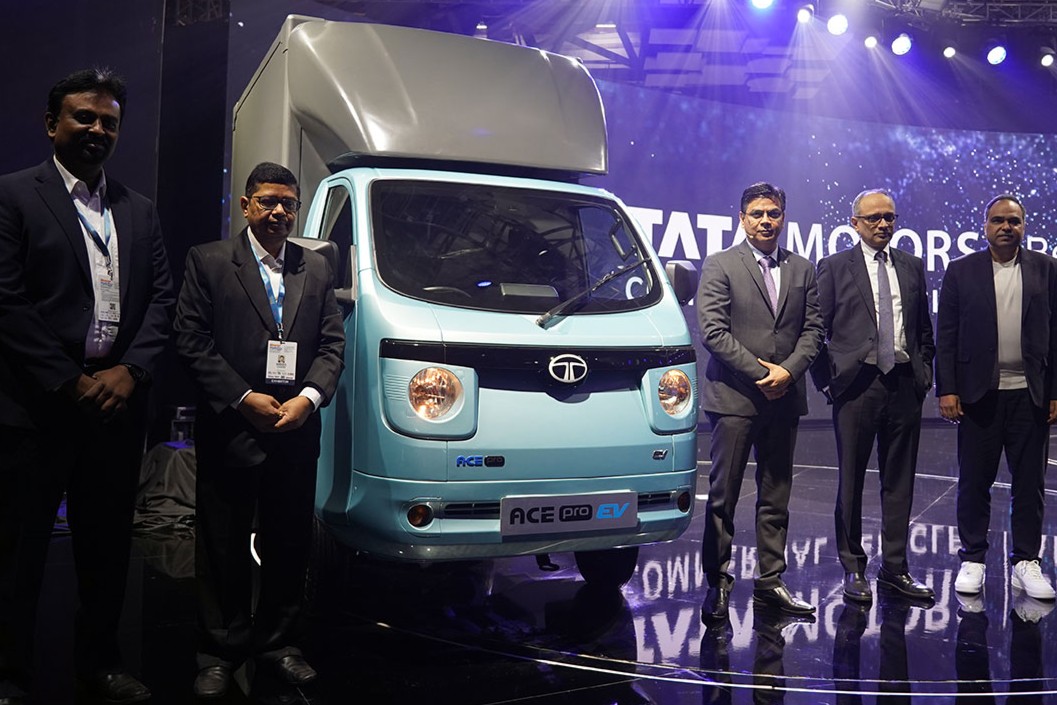
The commercial vehicle arm tells a similar story, albeit with a different tempo. Tata has secured over 3,400 electric commercial vehicle orders, including the delivery of its electric Prima trucks to BillionE Mobility, and its electric buses have clocked an astronomical 25 crore kilometres—a figure equivalent to circling the Earth more than 6,200 times. This is not just a vanity metric; it is hard data proving that electric drivetrains can survive the brutal, high-utilisation environments of Indian roads.
The demand in the CV segment is growing, but here too, production capacity remains the ceiling. Tata’s chairman has reiterated the company’s commitment to investing in both electric and hydrogen-based technologies, signalling that the long-term vision remains intact. But for now, the immediate challenge is the same: matching the factory output to the market’s appetite.
The Queue Gets Longer
In many ways, Tata Motors has become a victim of its own success. The tripled bookings are a testament to a brand that has earned trust through consistent product quality, aggressive charging infrastructure partnerships, and a service network that spans the subcontinent. Yet the production cap threatens to turn that trust into frustration. Every delayed delivery is an opportunity for a rival to swoop in, every long waiting list a potential cancellation.
The company’s next eighteen months will be defined not by how many EVs it can design, but by how many it can build. The supply chain is the new battleground, and Tata is fighting with the weight of a market leader on its shoulders. For now, the queue grows longer, and the factories hum at maximum capacity. The question is not whether India wants electric cars—that answer is emphatically yes. The question is whether Tata can keep up with the very demand it has so brilliantly cultivated. And if there's one thing the automaker's history suggests, it's that this is a race Tata intends to win—one carefully assembled battery pack at a time.