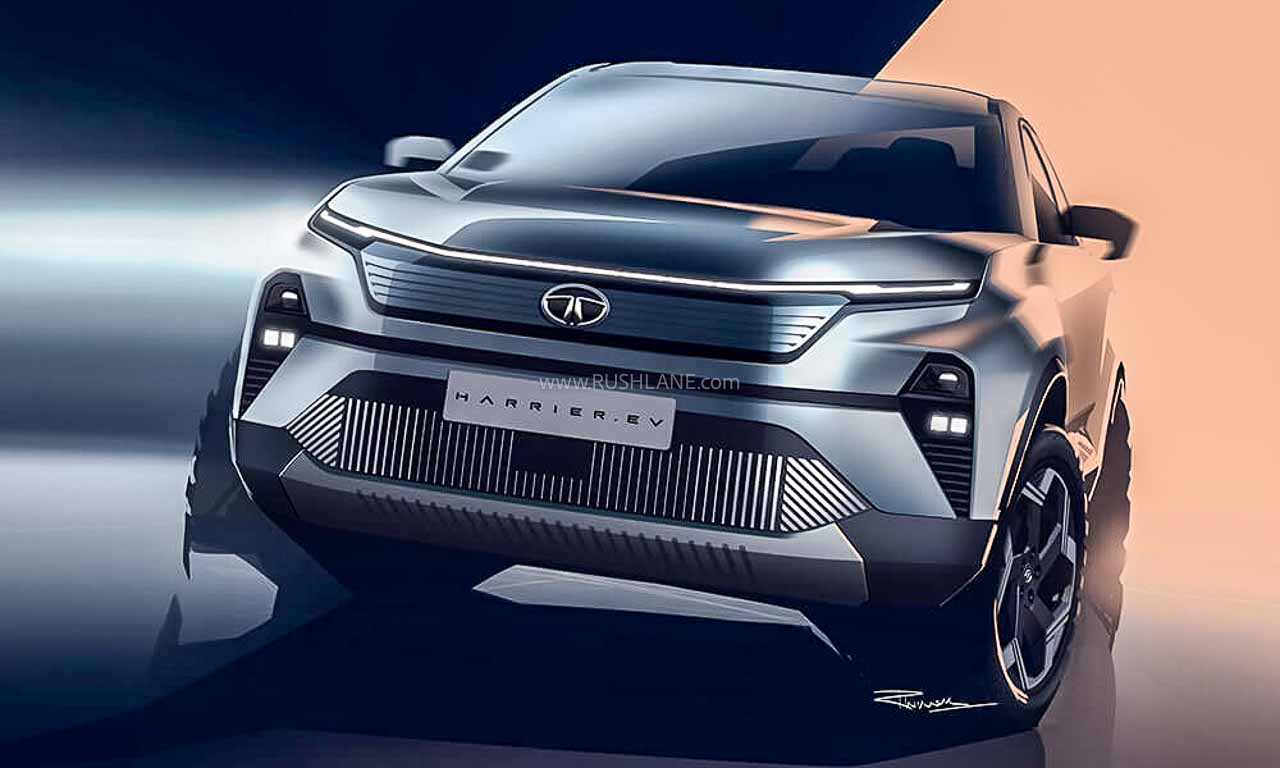
For years, the conversation around electric vehicle adoption in India has been framed by a single, stubborn question: can the buyer afford the battery? It is the most expensive component in any EV, often accounting for nearly half the sticker price, and it degrades in a way that makes the second-hand market nervous. Tata Motors Electric has now answered that question with a structural solution rather than a discount. By expanding Battery-as-a-Service across its entire electric lineup, the company is not merely repackaging finance. It is quietly severing the link between owning a car and owning its most valuable, most perishable part.
The implications run deeper than monthly instalments. Under BaaS, the customer purchases the vehicle and leases the battery separately, paying a recurring fee that can be sized to actual usage. The upfront cost drops dramatically, and with it the psychological barrier that has kept many mainstream buyers on the fence. What Tata has done is convert an asset purchase into a service relationship — a shift that mirrors how the telecom industry once unbundled handsets from airtime. The car becomes the handset. The battery becomes the plan.
Beyond the Passenger Car
This is the strategic logic behind a flurry of recent moves that, on the surface, look unrelated. Tata Motors' subsidiary acquired a 26% stake in Mateshwari E-Smart Mobility, a Telangana-based e-mobility firm, signalling a push into electric bus ecosystems where battery ownership models are already the norm. Separately, a Memorandum of Understanding with Drivn will extend leasing solutions to electric commercial vehicles, embedding the same logic into fleet operations.
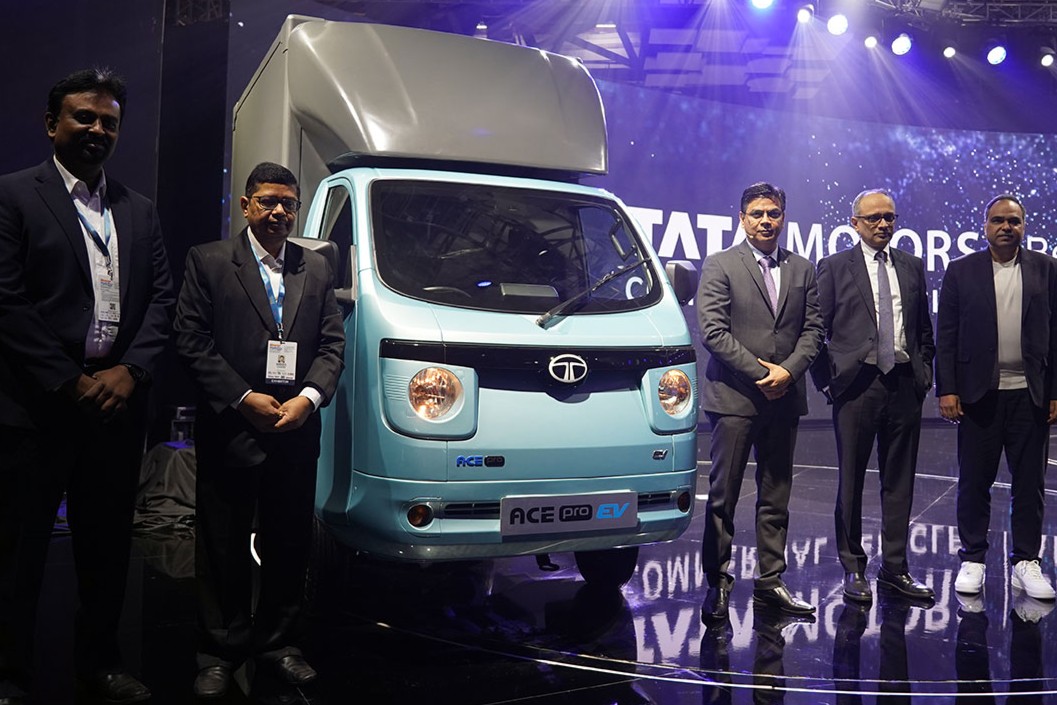
And the order book suggests the market is listening. With over 3,400 electric commercial vehicle orders booked and 500 e-bus orders secured, the company is proving that BaaS is not a passenger-car gimmick but an operating principle scalable across weight classes and duty cycles. That is the part worth watching. Passenger EVs get the headlines, but commercial fleets run on total cost of ownership, and BaaS speaks their language fluently.
The Demand Signal Is Real
The numbers from the passenger vehicle side confirm the appetite. Tata's electric car bookings tripled in six months, and August sales rose 59% on the back of EV demand. That is not a niche warming up. That is a market finding its footing.
Yet the same reports carry a caution: production capacity, not demand, is now the binding constraint. That is an enviable problem, but a problem nonetheless. It also explains why the company expects the China cell supply bottleneck to ease by quarter-end — a reminder that even the cleverest ownership model depends on the unglamorous physics of electrochemical supply chains. You can restructure the contract with the customer, but you still have to build the cells.
Infrastructure, Not Promotion
What makes Tata's approach distinctive is that it treats BaaS as infrastructure rather than promotion. The stake in an e-mobility operator, the leasing partnership, the commercial vehicle order book — these are not marketing exercises. They are the scaffolding of a circular battery economy in which the manufacturer retains custody of the cell, manages its second life, and captures residual value that would otherwise be lost to the customer. In a market where resale anxiety is real, that is a genuine differentiator.
There are risks. Recurring fees can feel like a subscription trap if miscommunicated. Battery leasing demands robust tracking, swap or service logistics, and transparent degradation guarantees. And the model's economics depend on scale — exactly the scale that production constraints currently limit. Tata's bet is that by the time capacity catches up, the ownership habit will have already changed.
That is the quiet revolution here. Tata Motors Electric is not simply selling more EVs. It is redefining what it means to buy one, shifting the customer from owner to subscriber and the battery from liability to managed asset. If the strategy holds, the question buyers ask will no longer be whether they can afford the battery — but whether they ever needed to own it at all.