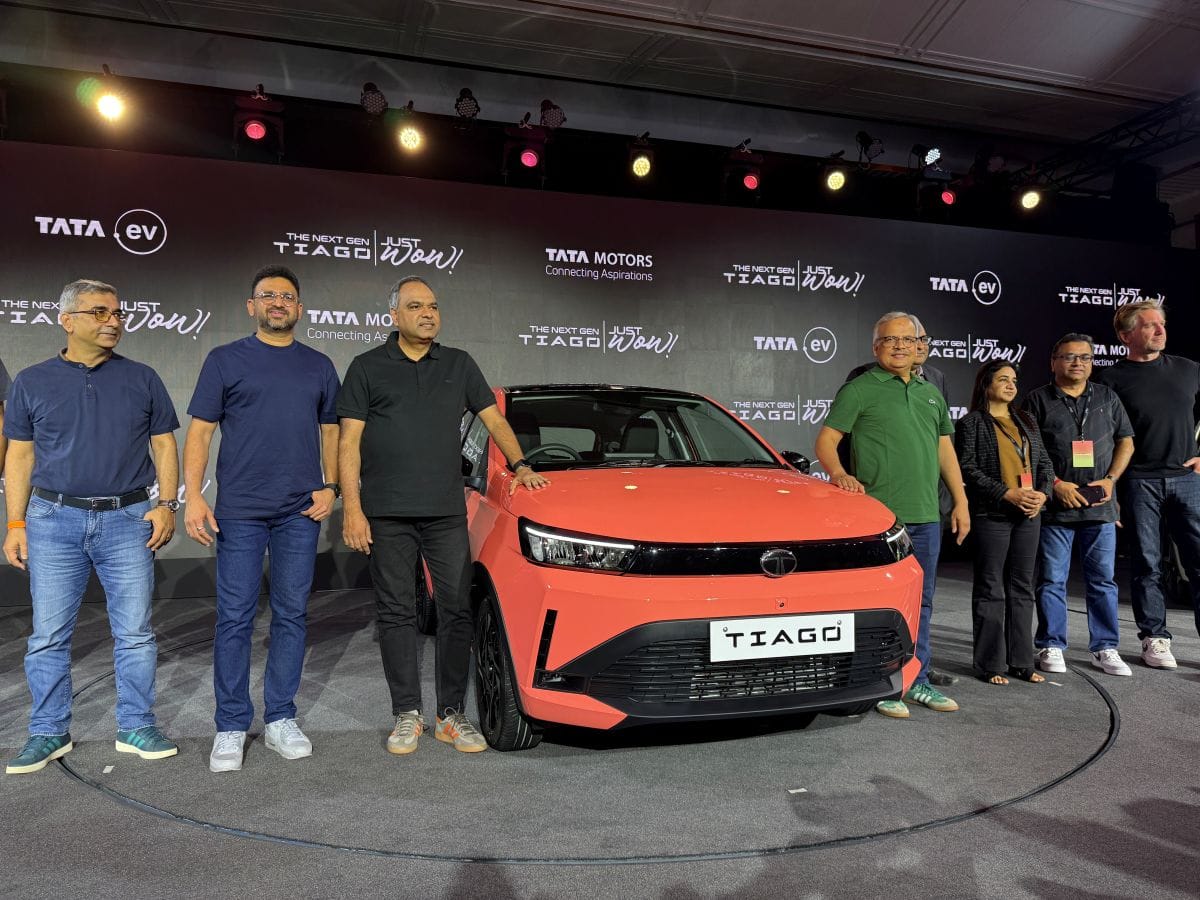
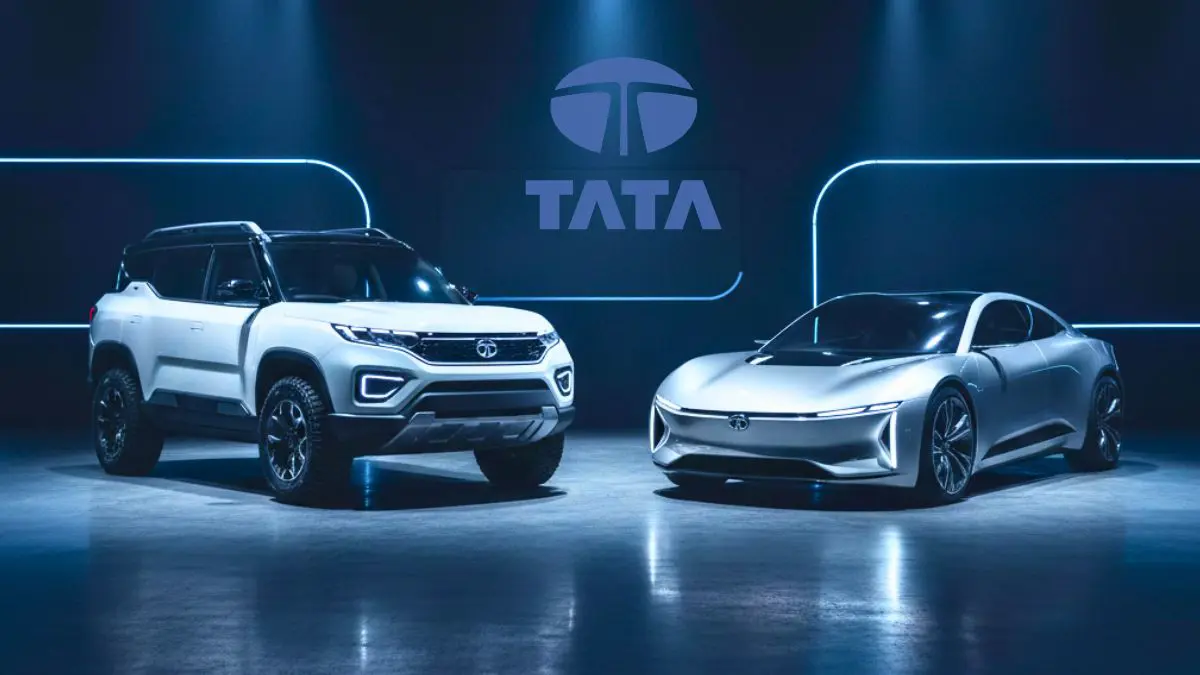
Tata Motors Electric has spent the better part of a decade building the most credible electric vehicle franchise in India. The Nexon EV, the Punch EV, the Tiago EV, the Curvv EV, and now the Sierra EV have collectively made Tata the default choice for Indian buyers considering their first electric car. The order books tell a story of genuine consumer appetite: bookings have reportedly tripled over the past six months, and Tata's passenger EV volumes grew 94% year-on-year in August, contributing to a 59% overall passenger vehicle sales surge. By any conventional measure, this is a brand in ascendancy.
Yet the more revealing story is not about demand at all. It is about the quiet, structural constraint that sits upstream of every Tata EV assembly line: the availability of lithium-ion cells.
The Bottleneck Nobody Sees
Tata Motors does not manufacture its own battery cells at scale. Like most legacy automakers mid-transition, it relies on a global supply chain dominated by Chinese cell producers — CATL, BYD, and EVE Energy chief among them. When that supply chain tightens, as it has through recent quarters, Tata's ability to convert its impressive order book into delivered vehicles is throttled. The company has publicly acknowledged a cell supply bottleneck originating from China, with expectations that it will ease by quarter-end. That single sentence, buried in a commercial vehicle demand update, is arguably the most important disclosure Tata has made this year.
The consequences ripple across both sides of the business. In passenger vehicles, where bookings have tripled, production capacity — not consumer interest — has become the binding constraint. Deliveries are being capped not by showroom footfall but by how many battery packs Tata can source and assemble.
Fleet Orders Waiting on Cells
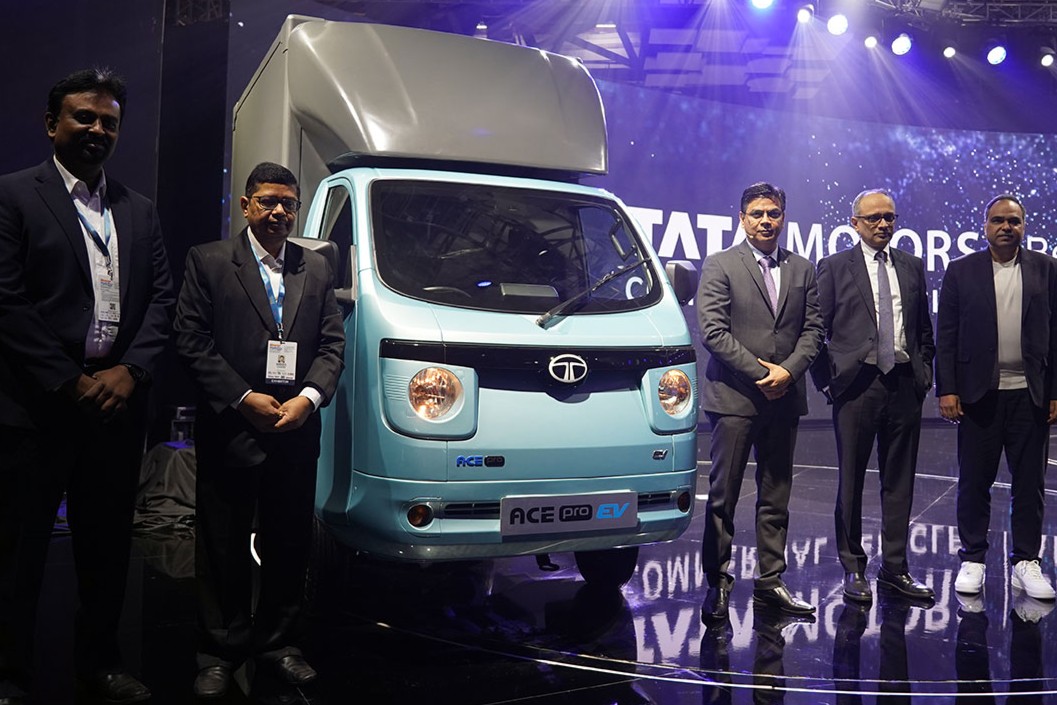
In commercial vehicles, the picture is even more striking: Tata has secured over 3,400 electric commercial vehicle orders, including 500 e-bus orders, and has signed a memorandum of understanding with Drivn to deploy more than 1,000 electric trucks on leasing terms. These are not speculative commitments; they are contracted volumes with delivery timelines attached. Every one of them depends on cells that Tata does not yet make.
The Central Paradox
This is the central paradox of Tata Motors Electric's current position. It has done the hard cultural work — convincing Indian buyers that electric is viable, building a charging ecosystem, and establishing brand equity that competitors like MG and Mahindra are still chasing. It has secured the fleet orders, the leasing partnerships, and the government tenders. What it has not yet secured is sovereignty over the single most expensive and supply-constrained component in the entire vehicle.
The company's response has been to move toward vertical integration, with plans for domestic cell manufacturing capacity and partnerships aimed at localising battery production. But cell fabrication plants are capital-intensive, slow to commission, and subject to their own equipment and raw material bottlenecks. A gigafactory does not solve a supply problem in the quarter it is announced.
Until that capacity comes online, Tata Motors Electric remains a leader operating with one hand tied behind its back. Its market share gains, its tripling bookings, its surging year-on-year growth — all of these are achievements realised *despite* a supply chain it does not control. The question investors and analysts should be asking is not whether Tata can sell electric vehicles in India. It has proven that decisively. The question is how many more it could sell, and how much faster it could grow, if the cells were its own.