Suzuki has spent the better part of two decades proving that the most profitable car company per unit in the world doesn't need a flagship. It builds small, cheap, brilliantly packaged machines that do exactly what their owners need and nothing more — a discipline that has made it dominant in India, formidable in Japan, and quietly resilient everywhere else. What it has never built, at least not convincingly, is a sedan. And in most global markets, the sedan is still where volume, prestige, and long-term loyalty converge.
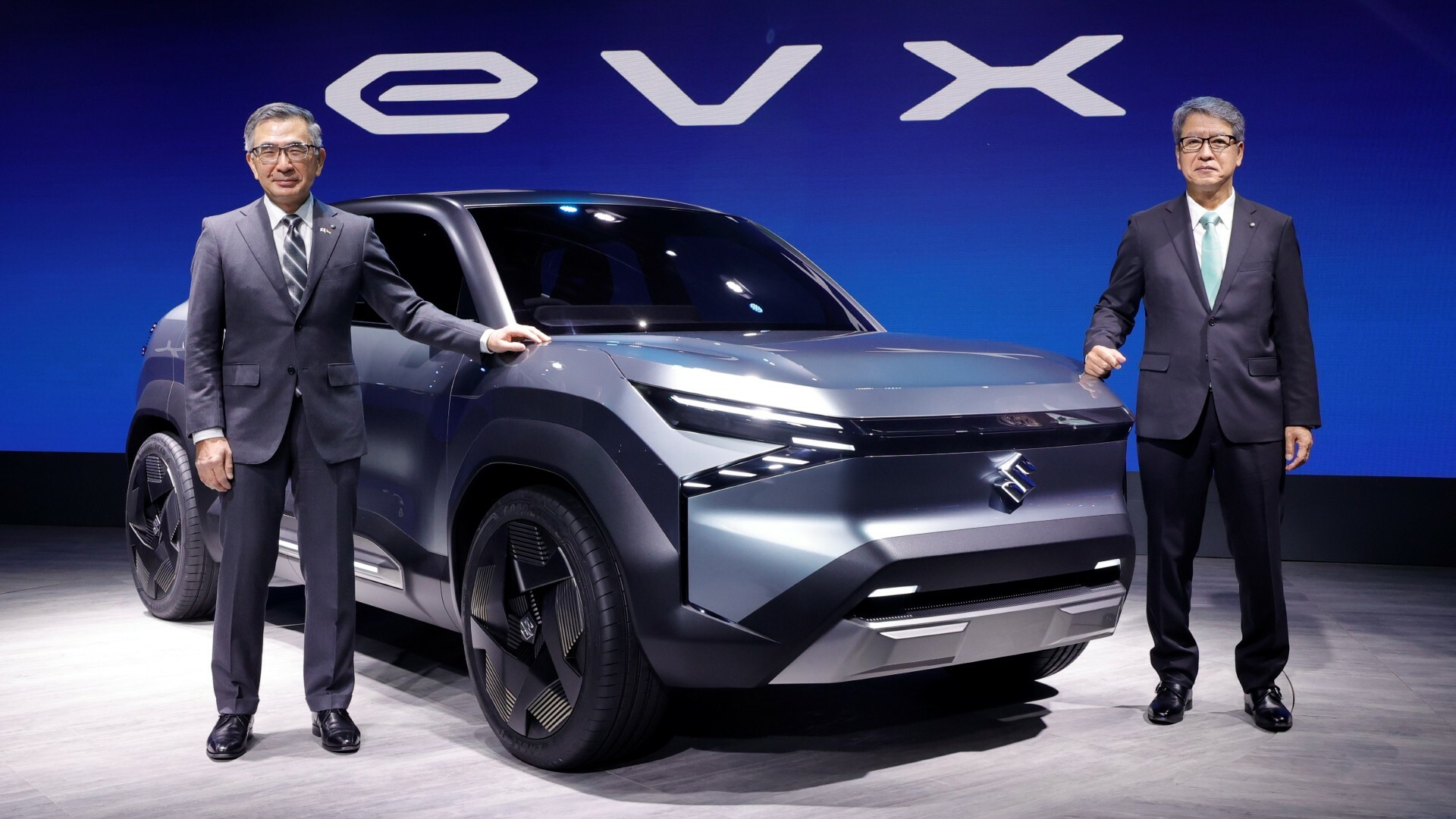
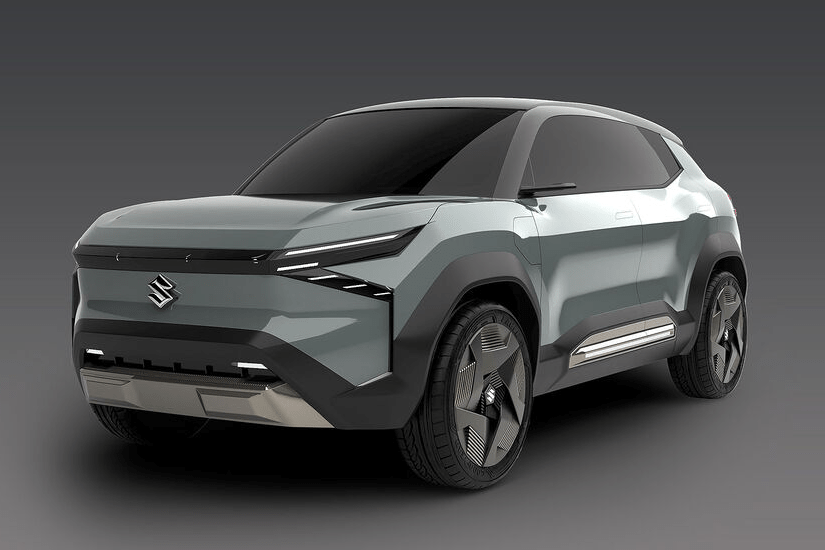
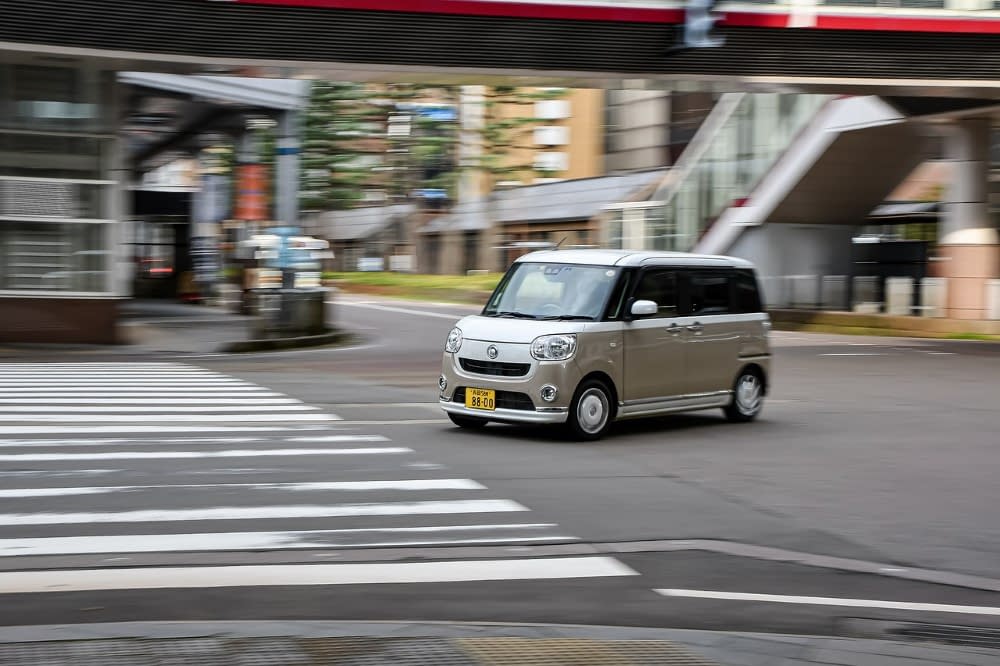
The company's move into electric kei cars may be the unlikely bridge that gets it there. Suzuki's first mini-EV arrives in Japan in November, priced to undercut BYD and landing somewhere near $13,500 depending on subsidies and trim. It is not a sedan. It is a boxy urban runabout with a modest range and a battery sourced from the very competitor it is trying to beat. On paper, it reads as a defensive play — a hedge against the Chinese EV wave lapping at Japan's kei segment. In practice, it looks like a masterclass in the cost engineering Suzuki will need if it ever wants to build a credible electric sedan at a price anyone can actually afford.
The Discipline of the Price Ceiling
Consider what the kei EV really represents. It is a vehicle built to a ruthless price ceiling, in a regulatory environment that rewards efficiency, and manufactured at volumes that force every gram of material and every yen of development cost to justify itself. That is precisely the discipline required to make a sedan profitable in the sub-$25,000 bracket — the bracket Western and Korean automakers have largely abandoned because they cannot make the math work.
Suzuki can. It has spent years perfecting the art of the affordable small car, and the kei EV is simply that expertise translated into electrons. The packaging genius that makes a kei car feel bigger inside than its footprint suggests, the manufacturing frugality that keeps costs down without making the product feel cheap — those are transferable skills, and they matter more in the EV era, not less.
Starting From the Bottom
There is strategic logic in the sequencing, too. Suzuki is not attempting to leapfrog Tesla or match Hyundai's Ioniq lineup. It is starting at the bottom, where its brand equity is strongest, and where the absence of legacy EV infrastructure and premium expectations makes a modest range and a simple interior acceptable rather than disqualifying.
The kei EV teaches Suzuki how to build electric drivetrains at scale, how to manage battery supply chains, and how to sell an EV to buyers who have never owned one. Those lessons transfer directly to a compact electric sedan aimed at India, Southeast Asia, and eventually Europe — markets where a well-priced, no-nonsense four-door could sell in serious numbers. It is a proving ground, not a vanity project.
The Cost of Standing Still
The alternative is grim. If Suzuki cedes the sedan segment entirely, it surrenders the customers who graduate from hatchbacks and kei cars as their families grow and their incomes rise. Those buyers defect to Toyota, Honda, or increasingly to Chinese brands offering fully equipped EVs at prices legacy makers cannot touch.
Suzuki's loyalty rates are enviable, but loyalty is not infinite. It is a function of having the right product at the right moment, and right now Suzuki simply does not have a sedan that speaks to an electrified future. Every year without one is a year of quiet attrition at the top of its own range.
A Proof of Concept, Not a Curiosity
The kei EV is therefore not a curiosity or a compliance exercise. It is a proof of concept — a demonstration that Suzuki can deliver electrification at a price point that makes economic sense for both the company and the consumer. If it works, the sedan follow-up becomes not just possible but obvious. If it fails, Suzuki remains what it has always been: a brilliant small-car specialist with a hole in the middle of its lineup and no clear path to filling it.
For a brand that has built its reputation on doing more with less, the kei EV is the most Suzuki thing imaginable. The question is whether the company has the patience and the ambition to parlay that discipline into the one segment it has never truly cracked. The sedan may not be glamorous, but it is where the volume lives. And Suzuki, more than most, knows how to make volume pay.