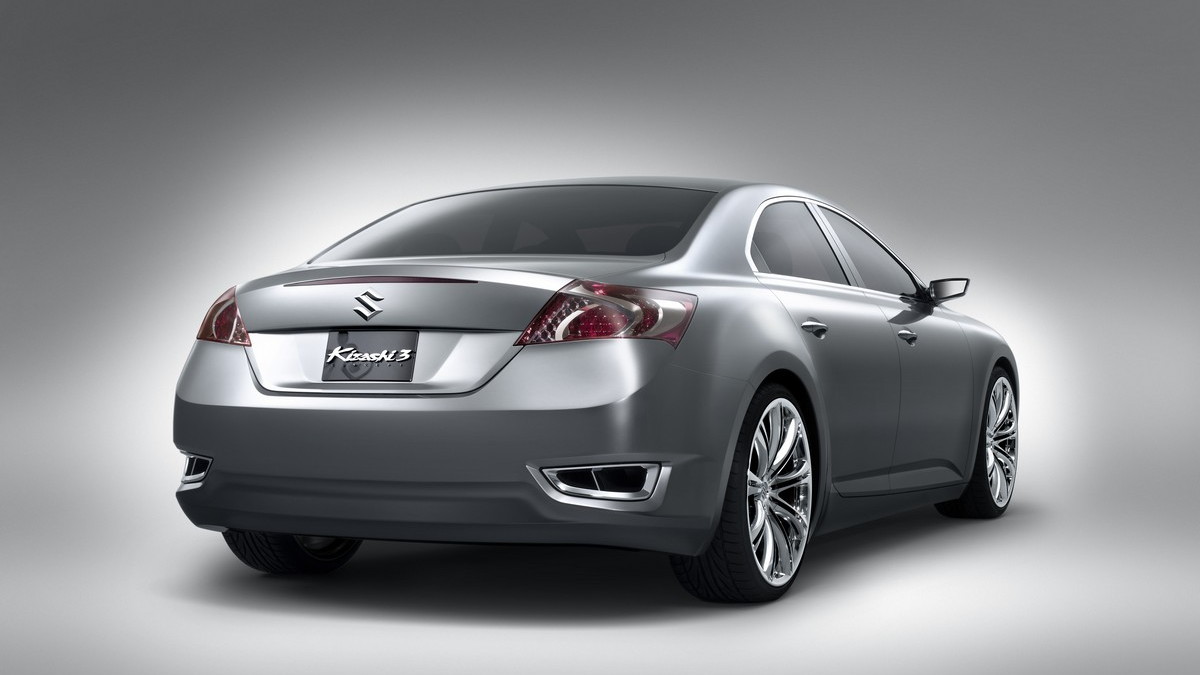
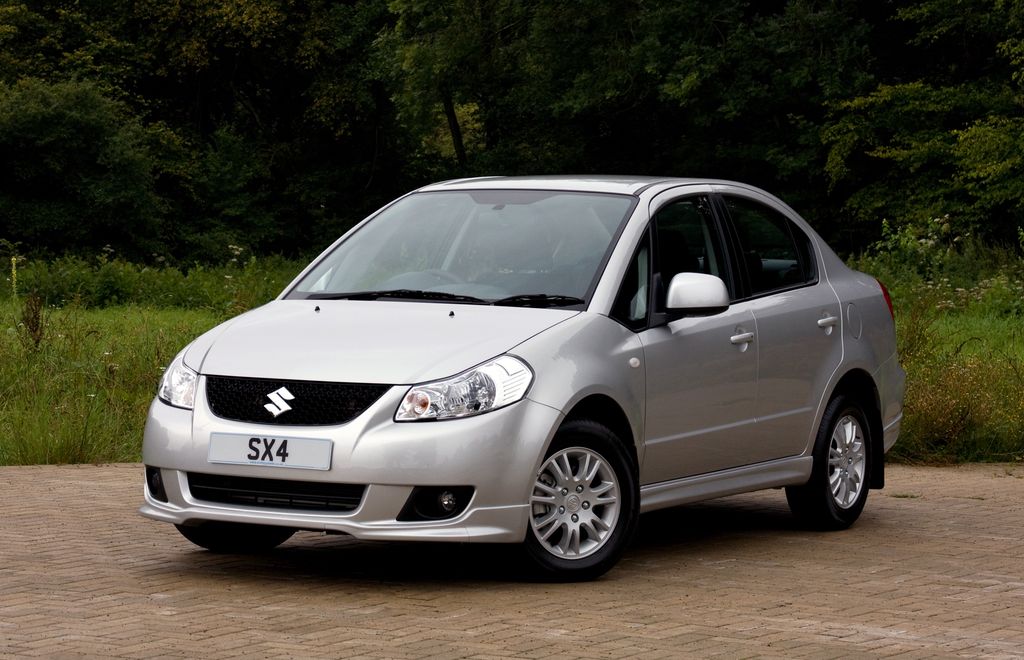
Walk into a Suzuki showroom today and you'd be forgiven for thinking you've stumbled into the wrong brand. Where the Swift Dzire and Ciaz once anchored the floor with sensible three-box silhouettes, you now find a fleet of hatchbacks, compact SUVs, and the occasional lifestyle off-roader. The sedan — for so long Suzuki's dependable ambassador of practicality — has been quietly escorted toward the exit. Not with a dramatic announcement, but with the slow, deliberate erosion of a lineup that once defined the marque's four-wheeled ambitions in emerging markets. The writing has been on the wall for some time. It's only now, as inventory dwindles and new model cycles skip the segment entirely, that the scale of the retreat becomes unmistakable.
The logic behind this quiet vanishing act isn't difficult to reverse-engineer. Suzuki has always been a company that reads the market with almost ruthless pragmatism. When buyers the world over began migrating en masse toward high-riding crossovers — vehicles offering the same footprint as a sedan but with a commanding view and a rugged aesthetic — Suzuki followed the money. The Vitara Brezza, the Grand Vitara, and their ilk became the new volume drivers, and the sedans that once shared their platforms were left to age gracefully in the corner. In markets like India, where the compact sedan was once a status symbol for the aspiring middle class, the SUV has stolen that mantle entirely.
The Cars That Deserved Better
What makes this retreat poignant is that Suzuki's sedans were never bad cars. The Ciaz, in particular, offered a genuinely spacious cabin, a compliant ride, and the kind of unburstable reliability that made it a favourite among fleet operators and families alike. The Dzire, meanwhile, was a masterclass in packaging — a sub-four-metre sedan that somehow managed to feel larger than its dimensions suggested, and which consistently topped sales charts in its segment. These were not compromised machines. They were astute ones. Their disappearance is not a verdict on their quality, but on the shifting appetites of a buying public that now equates height with value.
There's a certain irony in watching a car like the Dzire fade. It did everything a buyer asked of it — swallowed luggage, sipped fuel, shrugged off neglect — and it asked for nothing in return but a routine service. In a market obsessed with kerb presence, though, competence without theatre is a hard sell. The sedan's low centre of gravity, its planted stance, its honest boot: these were virtues measured in spreadsheets, not in showroom glances.
Two Wheels, One Philosophy
There is also the matter of Suzuki's global identity to consider. The brand's recent headlines tell a story of two-wheeled reinvention — the SV650 set for revival, the Cappuccino kei car rumoured to return, a steady drip of motorcycle price drops and restomods that keep the enthusiast faithful engaged. Suzuki, in other words, is pouring its creative capital into machines that stir the soul, whether that's a reborn roadster or a heritage-inspired motorbike. The humble sedan, by contrast, stirs nothing but the spreadsheet. It is reliable, it is practical, and it is utterly devoid of the romance that Suzuki now seems to crave.
That's the real story here. This isn't a brand in crisis; it's a brand rediscovering what makes it interesting. The same company that built the Swift into a giant-killing hot hatch and kept the Jimny's flame alive through decades of indifference clearly knows how to make cars people want, not just cars people need. The sedan, worthy as it was, belonged to the second category.
A Footnote, Not a Farewell
Yet one shouldn't mistake this for a wholesale abandonment of the four-door form. In select markets, and under select badges, the sedan persists — often rebadged, often built by partners, often lingering on price lists more out of habit than intent. But the days of the sedan as a cornerstone of Suzuki's showroom strategy are over. The company has bet its future on light commercial vehicles, compact SUVs, and a two-wheeled portfolio that continues to command fierce loyalty. The sedan, once the sensible heart of the range, has become a footnote.
For the buyer who still values a low centre of gravity and a boot that swallows a family's luggage without complaint, this is a loss. But for Suzuki, it is simply evolution — the shedding of a segment that no longer serves its ambitions. The sedans are not gone with a bang, but with a whisper, and the showroom floor tells the story more eloquently than any press release ever could.
What remains is a brand that has chosen character over convention — a company betting that the machines people dream about will outsell the ones they merely settle for. Whether that gamble pays off is a question for the next decade of showrooms. For now, the sedans sit quietly in the rear-view, reliable to the last, and already fading from the mirror.