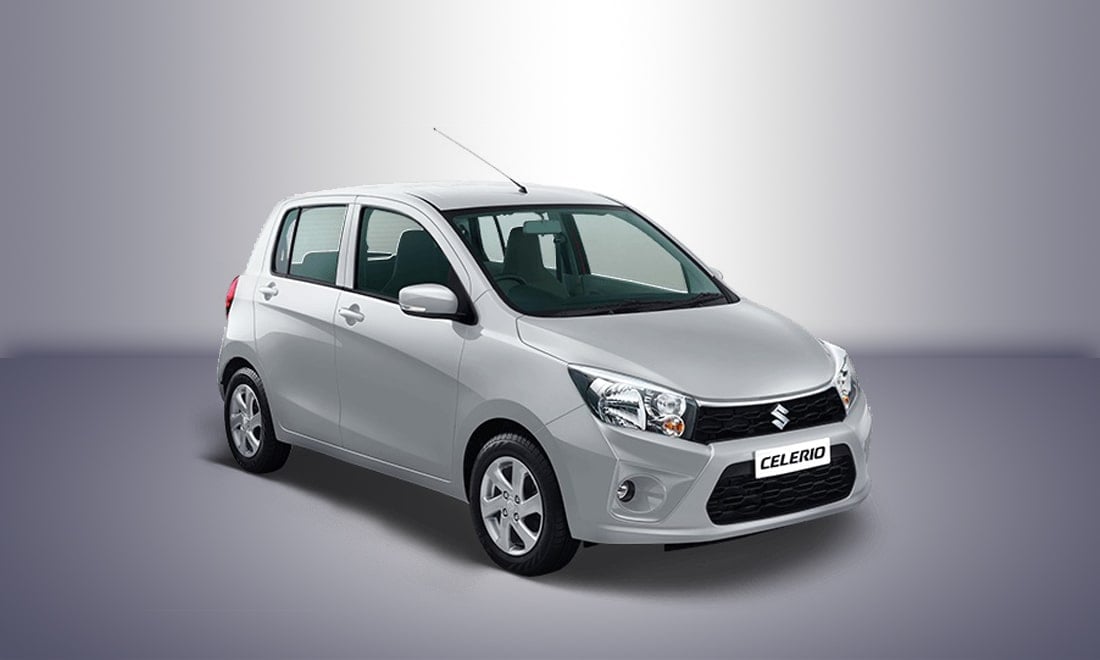
The August sales report from Maruti Suzuki arrived with all the flash of a filing cabinet, yet buried inside it was a number that should stop every product planner in the industry cold. The Celerio — a car so unassuming it practically apologises for existing — posted a staggering 2X sales growth. Beside it, the Swift surged 59 per cent. No launch fireworks. No halo hypercar to steal the headlines. Just a pair of honest, affordable hatchbacks quietly doubling down on the one thing that actually matters to most buyers: value delivered without compromise.
In an era where every major manufacturer seems locked in a race to the top of the price ladder, these figures read like a dissenting opinion. The budget buyer has been treated for years as a passive participant in the automotive economy — someone who settles for less while dreaming of more. Suzuki's numbers suggest the opposite. This is a buyer making a deliberate, rational choice. And Suzuki, more than any other brand on the planet, understands exactly what that choice demands.
The Anti-Premium Strategy That Keeps Working
Suzuki has spent decades refining a formula that most manufacturers treat as an afterthought: deliver the maximum amount of usable, dependable car for the minimum amount of money, and never apologise for it. The Celerio is that philosophy made metal. It doesn't pretend to be a sports car. It doesn't promise zero-to-sixty heroics or Nürburgring lap records. It does exactly what its owner needs, at a price that doesn't punish them for needing it.
When a model like the Celerio doubles its sales in a single month, that isn't a fluke of incentives or a fleeting market fluctuation. It's a signal. The segment is alive, hungry, and profoundly underserved by brands chasing higher margins.
The broader industry has spent a decade racing upmarket. Automakers have convinced themselves that survival runs through premium features, larger screens, and electrified powertrains that push transaction prices ever higher. In doing so, they've quietly abandoned the very buyers who once formed the backbone of the mass market. Suzuki held its ground. The brand kept investing in small-displacement efficiency, lightweight platforms, and packaging that maximises interior space without bloating exterior dimensions. The result is a product line where the Swift can post a 59 per cent increase without a single headline-grabbing innovation — just consistent, incremental improvement that respects the buyer's intelligence.
Discipline, Not Nostalgia
This isn't a strategy born of nostalgia. It's born of discipline. Suzuki's global operations, from the Indian subcontinent to European and Japanese markets, have long been anchored by the belief that affordability and quality are not mutually exclusive. That belief is now being validated in the most direct way possible: through sales figures.
The Maruti Suzuki arm alone has built a logistics operation so efficient that it recently celebrated 10 lakh in-plant rail-based dispatches — a milestone that speaks to the scale and sophistication of its supply chain. These aren't the metrics that win design awards. They're the metrics that keep a brand profitable and its customers loyal. And in a business where margins on small cars are razor-thin, that operational rigour is the difference between survival and retreat.
The Buyer Who Doesn't Settle
What makes the Celerio's surge particularly telling is the context. This is not a market where buyers are flush with discretionary income. It's a market where every rupee, every euro, every dollar counts. The budget buyer is not impulsive. They research, they compare, they delay purchases until the value proposition is undeniable.
When they choose a Suzuki, they are not settling. They are making a calculated decision that the brand's reputation for reliability, low running costs, and strong resale value outweighs the superficial appeal of a flashier badge. That is a powerful endorsement — and one Suzuki has earned over decades, not over a single product cycle.
The temptation is to view the budget segment as a stepping stone, a place where buyers wait until they can afford something better. The data suggests otherwise. The Celerio and Swift are not just entry points. They are destinations. For a vast number of households, these are the cars they keep for years, maintain diligently, and recommend to friends and family. Suzuki's refusal to abandon this segment is not a concession to lower margins. It's a recognition that volume, loyalty, and scale can be just as valuable as premium pricing — especially when the economic outlook remains uncertain for so many.
The Market Says Thank You
There's a lesson here for every automaker that has convinced itself the future belongs exclusively to the expensive and the electric. The Celerio's 2X growth is not a curiosity. It's a reminder that the mass market still exists, still matters, and still rewards brands that show up for it.
Suzuki has shown up, consistently and without fanfare, for the better part of a century. The sales surge is simply the market saying thank you. And in an industry obsessed with the next big thing, that quiet gratitude may be the most valuable currency of all.


