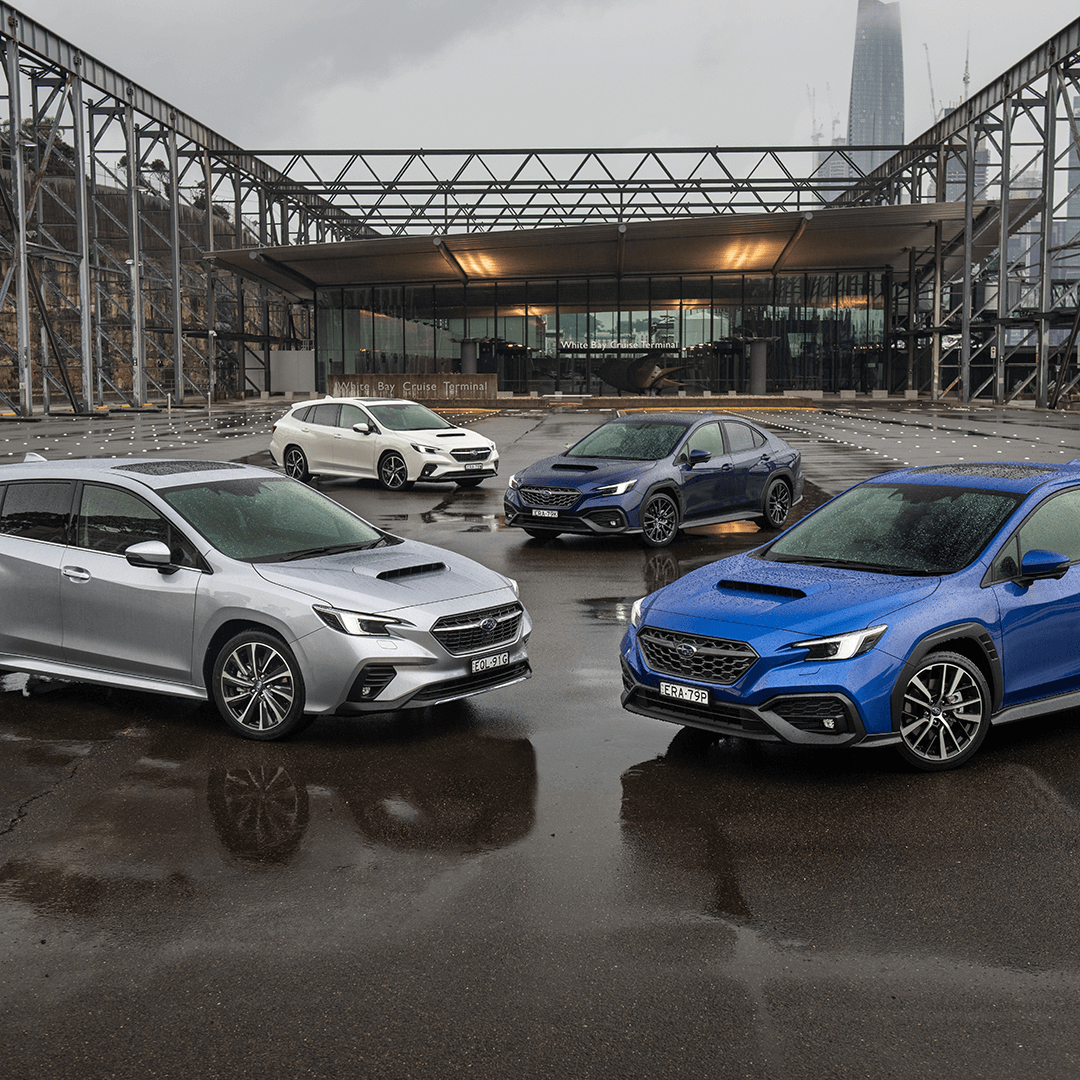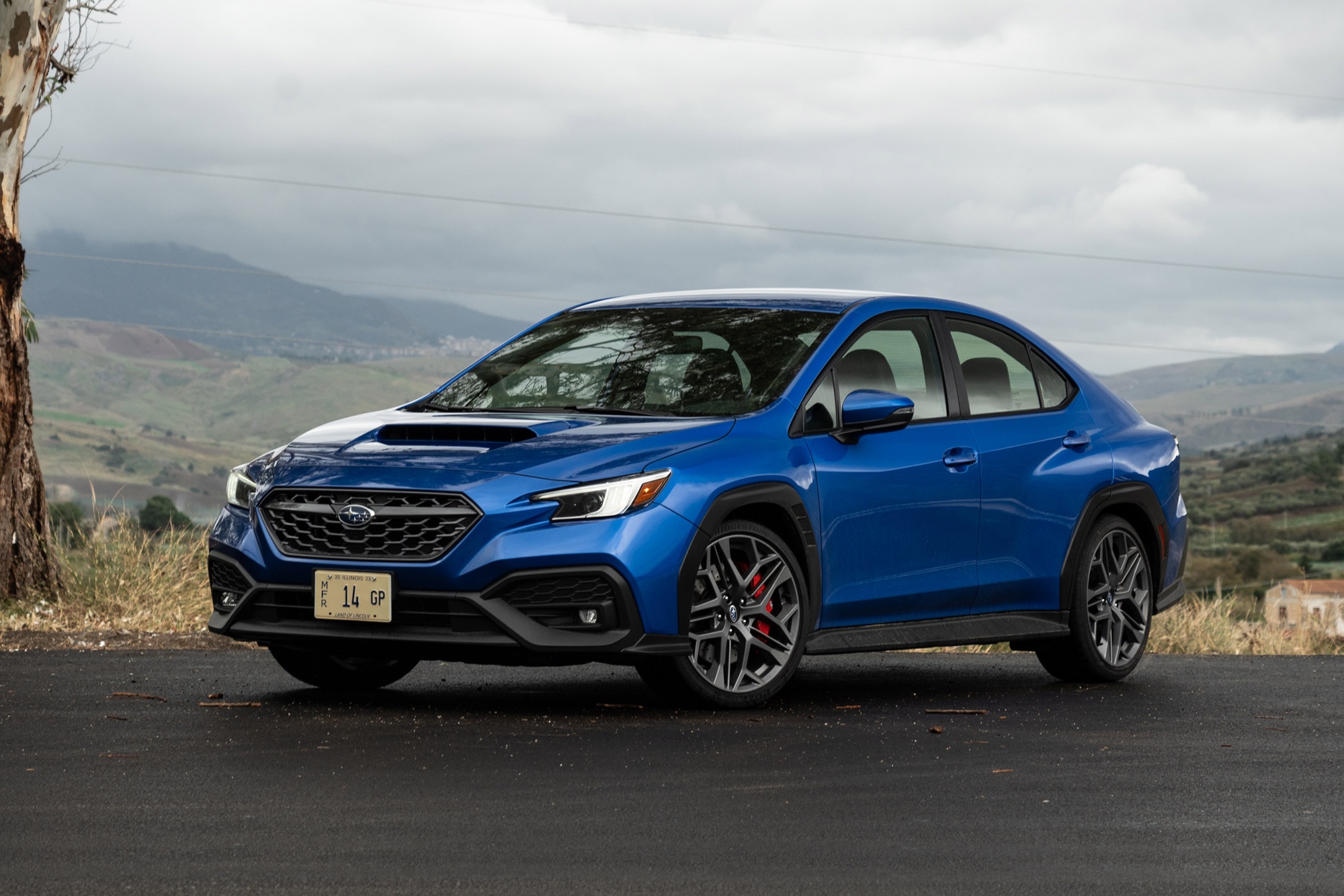
Conventional wisdom says the American buyer has traded four doors for liftgates, sedans for soft-roaders, and driving joy for ride height. It’s a narrative so often repeated it feels like gravity. Then Subaru—of all brands—decided to flip the script with the loudest, most unapologetic car in its showroom. While the Outback and Crosstrek hoover up the crossover cash, it’s the rally-bred WRX that’s currently setting the sales charts alight. August 2026 data reveals a significant surge for the performance sedan, a stark reversal from its sluggish showing just a year prior. This isn’t a spreadsheet anomaly; it’s a statement that the internal combustion enthusiast sedan, long rumored to be on life support, still has a very rapid pulse.
What makes this resurgence even more compelling is the context. The WRX isn’t a volume player. It’s a niche machine with a manual transmission option and a deliberately aggressive, boy-racer aesthetic that snubs the luxury pretensions of its German counterparts. Yet, Subaru has clearly tapped into a reservoir of demand that rivals have either ignored or abandoned entirely. The recently debuted “Tuned by STI” variant—fitted with Brembo brakes and adaptive dampers, yet notably without a single additional horsepower—has ignited a fervor proving buyers value the holistic experience over peak dyno numbers. It signals a market maturity where chassis rigidity, steering feel, and driver engagement are prized as highly as straight-line bragging rights. In an era of digital dashboards and autonomous nannies, the WRX’s commitment to analog connection is a refreshing—and evidently profitable—anomaly.
The Case for Tarmac Over Trail
One might argue the WRX is thriving precisely because it offers something the crossover onslaught cannot: lightness, precision, and a low center of gravity. Subaru’s own Wilderness trims are wildly capable backcountry haulers, but they can’t replicate the tactile feedback of a sedan carving through a canyon pass. The surge suggests a significant demographic—millennials raised on *Gran Turismo*, Gen Z buyers seeking authenticity—are actively rejecting the high-riding compromise. They’re voting with their wallets for a vehicle unapologetically focused on tarmac.
The fact that this is happening inside Subaru showrooms, parked next to the electric Uncharted and the delayed Getaway EV, highlights a strategic duality. The brand is preparing for an electric future while simultaneously cashing in on the analog present. It’s a delicate balancing act, and the WRX is proving that the old guard still has plenty of fight left in it.
A Lesson in Product Lifecycle Management
This sales spike also offers a critical lesson in how to manage a product’s lifecycle. When the WRX “fell flat” last year, pundits were quick to declare the segment deceased. But Subaru’s response wasn’t a radical redesign or a desperate pivot to SUV bodywork. It was a refinement of the core formula. They listened to the purists, sharpened the suspension, and added the STI-tuned components enthusiasts craved. The result is a vehicle that feels fresh and desirable without alienating its loyal fanbase.
This approach stands in stark contrast to the industry-wide trend of phasing out sedans entirely. Ford and Chevrolet have vacated the segment in North America, leaving Subaru and a few brave holdouts to harvest the remaining demand. The WRX’s success is proof that scarcity breeds desire. When you’re the only manufacturer willing to offer a practical, all-wheel-drive, turbocharged manual sedan, you become the default choice for an entire generation of driving purists. There’s no competition because there’s no one else playing the game.
The Emotional Core of the Brand
Ultimately, the WRX surge is a victory for automotive passion over automotive pragmatism. It reminds us that the market isn’t a monolith; there is still room for vehicles that prioritize the joy of the journey over the utility of the destination. While the Outback continues to dominate sales charts and the electric Trailseeker woos the eco-conscious, the WRX serves as the emotional heart of Subaru. It’s the halo that burnishes the brand’s rally heritage and keeps the enthusiast community engaged.
The August figures aren’t just a win for Subaru’s bottom line; they’re a win for anyone who believes a car should be more than an appliance. The sedan isn’t dead—it’s simply waiting for a manufacturer bold enough to remember what made it great. Subaru remembered, and the market is responding. In a world of sensible choices, the WRX remains gloriously, defiantly irrational. And that’s exactly why it’s succeeding.