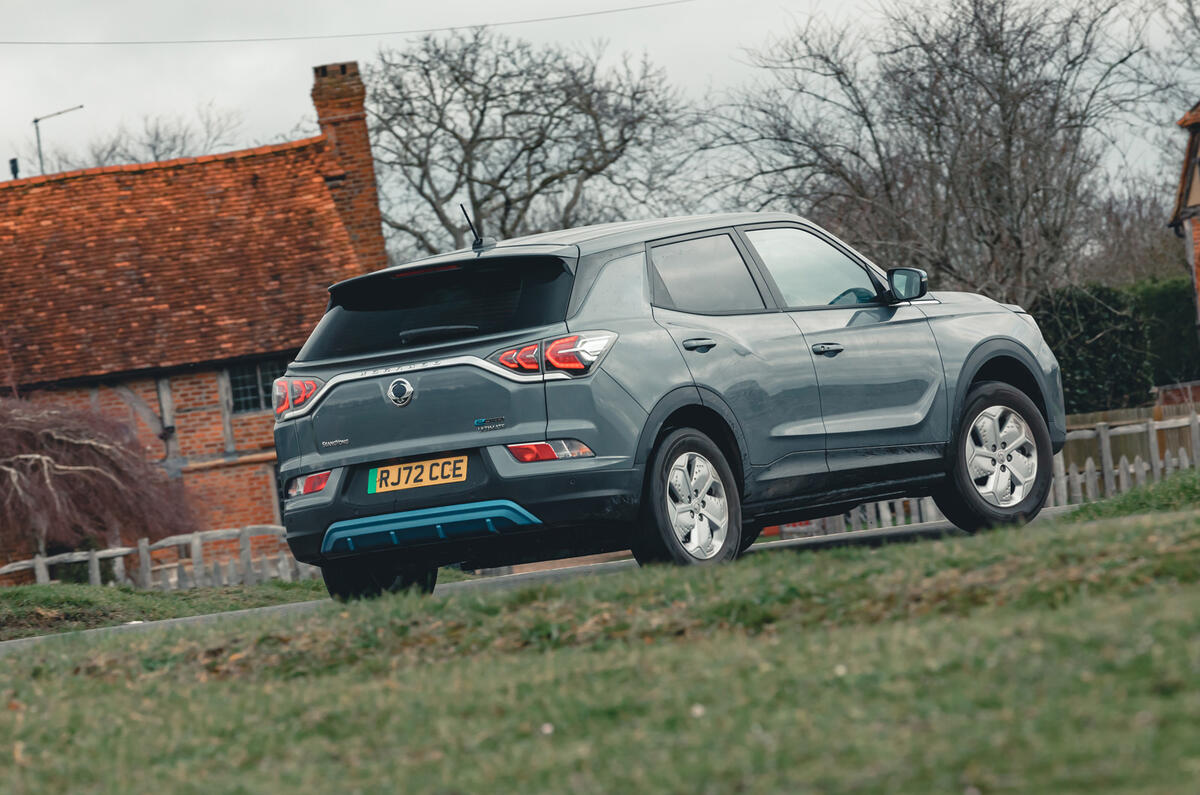
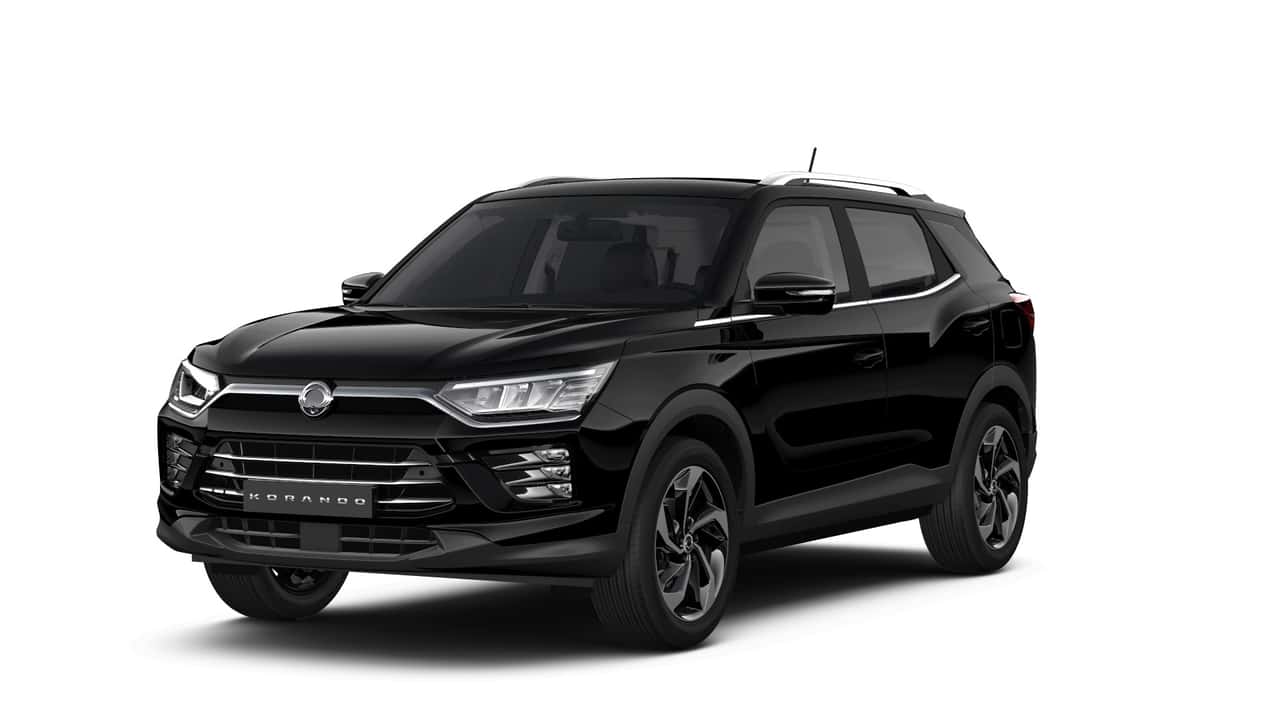
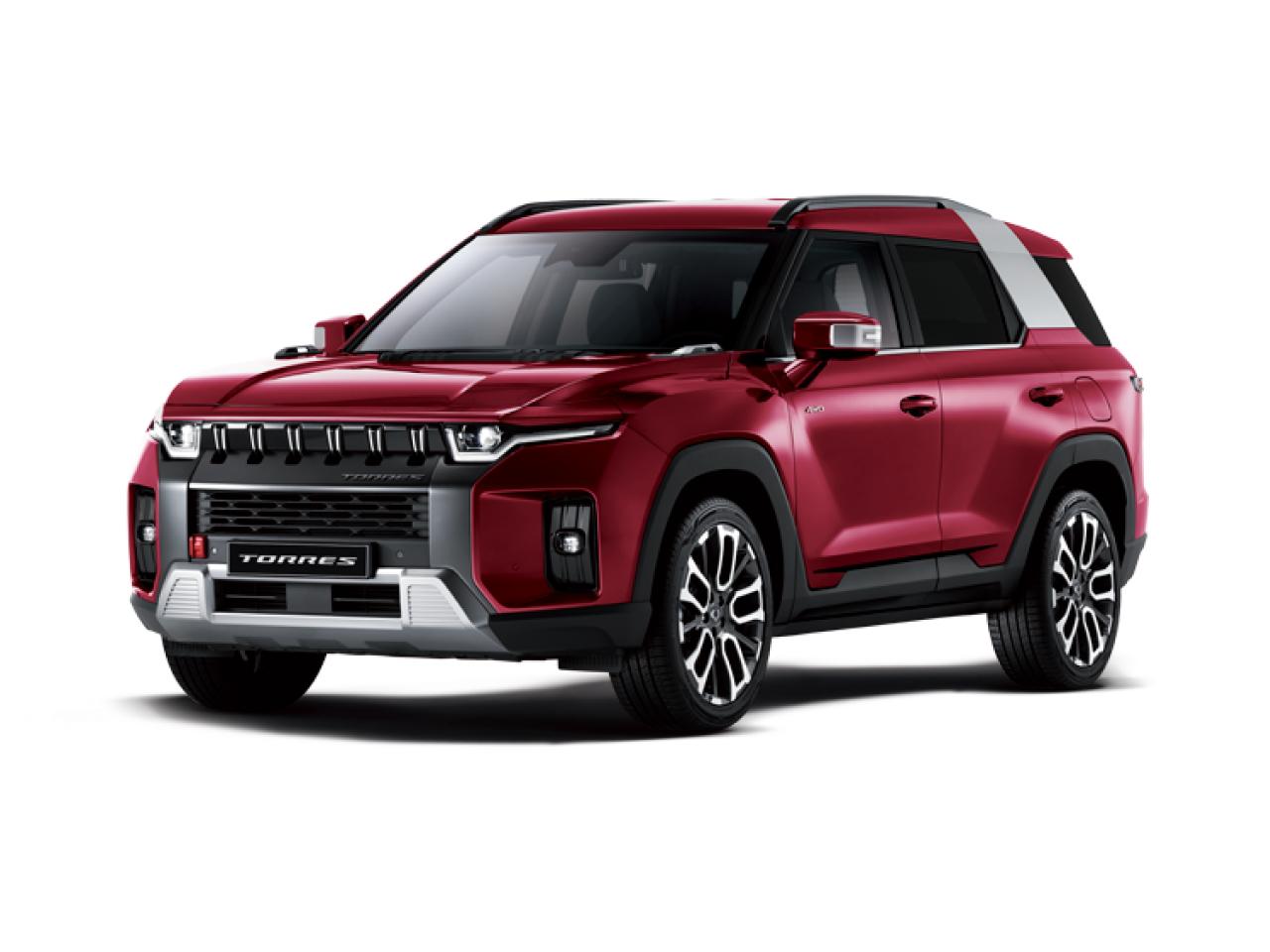
For most of its existence, SsangYong occupied a peculiar niche in the automotive world—a brand that seemed to exist in spite of itself, perpetually on the brink of collapse, yet stubbornly producing vehicles that refused to conform to any recognizable convention. Now, with a listing for a 1998 Korando commanding $16,400, something strange is happening: the marque's most idiosyncratic creations are beginning to attract the kind of attention once reserved for far more celebrated machinery.
This is not a story about a great car brand finally receiving its due. It is a story about how the passage of time transforms even the most awkward artifacts into objects of genuine fascination.
An Unlikely Entry Point
The Korando itself is a useful entry point into this phenomenon. Launched in the early 1980s as SsangYong's first serious foray into passenger vehicles, it borrowed heavily from AMC and Jeep architecture—a lineage that gave it a rugged, almost anachronistic character long after its contemporaries had moved on. The 1998 example now generating headlines is a Korando of the second generation, a vehicle that combined boxy utilitarianism with a curious attempt at upmarket aspiration. It was never beautiful. It was never particularly refined. But it was, and remains, unmistakably itself—a quality that becomes increasingly valuable as the automotive landscape converges toward homogeneity.
Failure as Foundation
What makes this valuation genuinely remarkable is the context. SsangYong's inability to establish a meaningful foothold in the American market is well documented; the brand's products were often dismissed as eccentric curiosities at best, liabilities at worst. Yet that very failure has become the foundation of its nascent collectibility. Vehicles like the Korando, the Rexton, and the Rodius—a people carrier so aesthetically challenged that it achieved a kind of perverse fame—represent a distinct moment in automotive history when a small Korean manufacturer attempted to compete on its own terms, with all the compromises and oddities that entailed.
The CCR-1, SsangYong's early electric vehicle experiment from the 1990s, now reads less as a commercial failure and more as a prescient gamble, a reminder that the brand's engineers were wrestling with questions the industry would not seriously confront for another two decades.
A Corporate Narrative of Reinvention
The corporate narrative adds another layer of intrigue. SsangYong's journey through ownership by SAIC, then Mahindra, and now its rebirth as KGM under KG Group—with recent partnerships including a tie-up with Chery—has been anything but stable. Each transition left its mark on the product line, creating a bewildering array of models and specifications that now confounds collectors and enthusiasts alike. This complexity, once a liability, is now a source of appeal. A 1998 Korando is not merely an old SUV; it is a document of a company perpetually reinventing itself, often clumsily, always persistently.
The Outsider's Appeal
The listing at $16,400 may strike some as absurd, but it reflects a broader shift in how the collector market assesses value. Rarity, provenance, and historical significance are no longer the exclusive province of European thoroughbreds or American muscle. The Korando's appeal lies precisely in its outsider status—its willingness to be strange when the market demanded conformity. For a generation of enthusiasts weary of increasingly homogenized modern vehicles, the SsangYong back catalogue offers something genuinely different: vehicles that were never designed to be universally loved, and are all the more compelling for it.
Whether this valuation represents a sustainable trend or a fleeting curiosity remains to be seen. But the fact that a Korando—a vehicle that once symbolized SsangYong's commercial struggles—can now command attention at this level suggests that the market's definition of collectibility is widening. The oddballs, it seems, are finally having their moment.