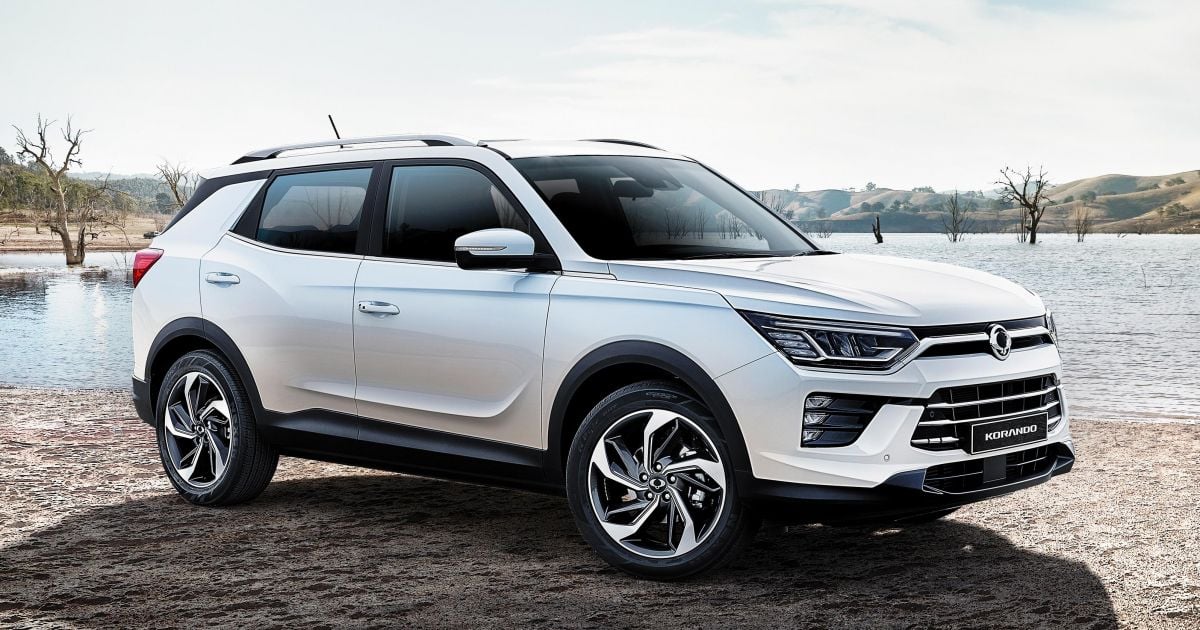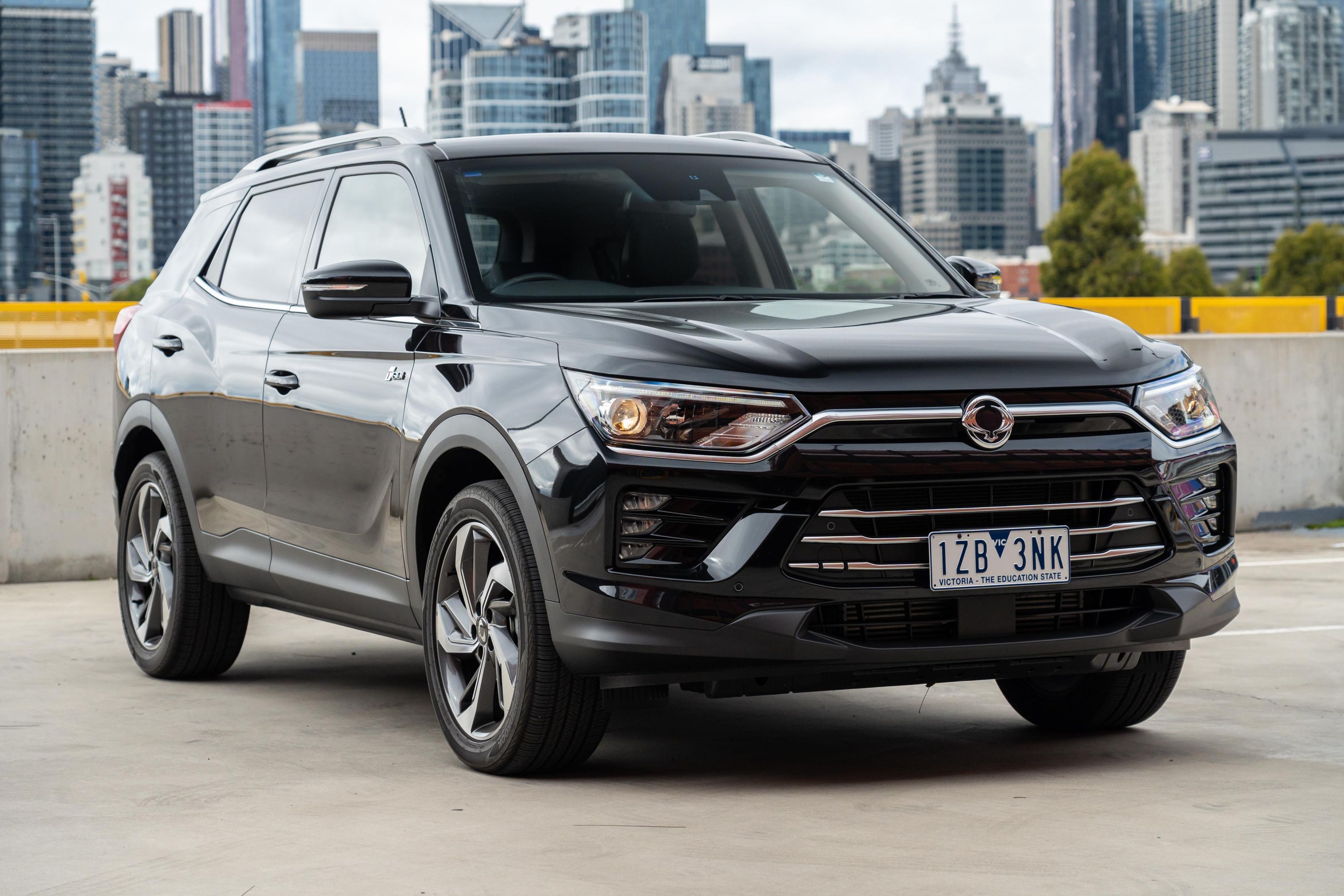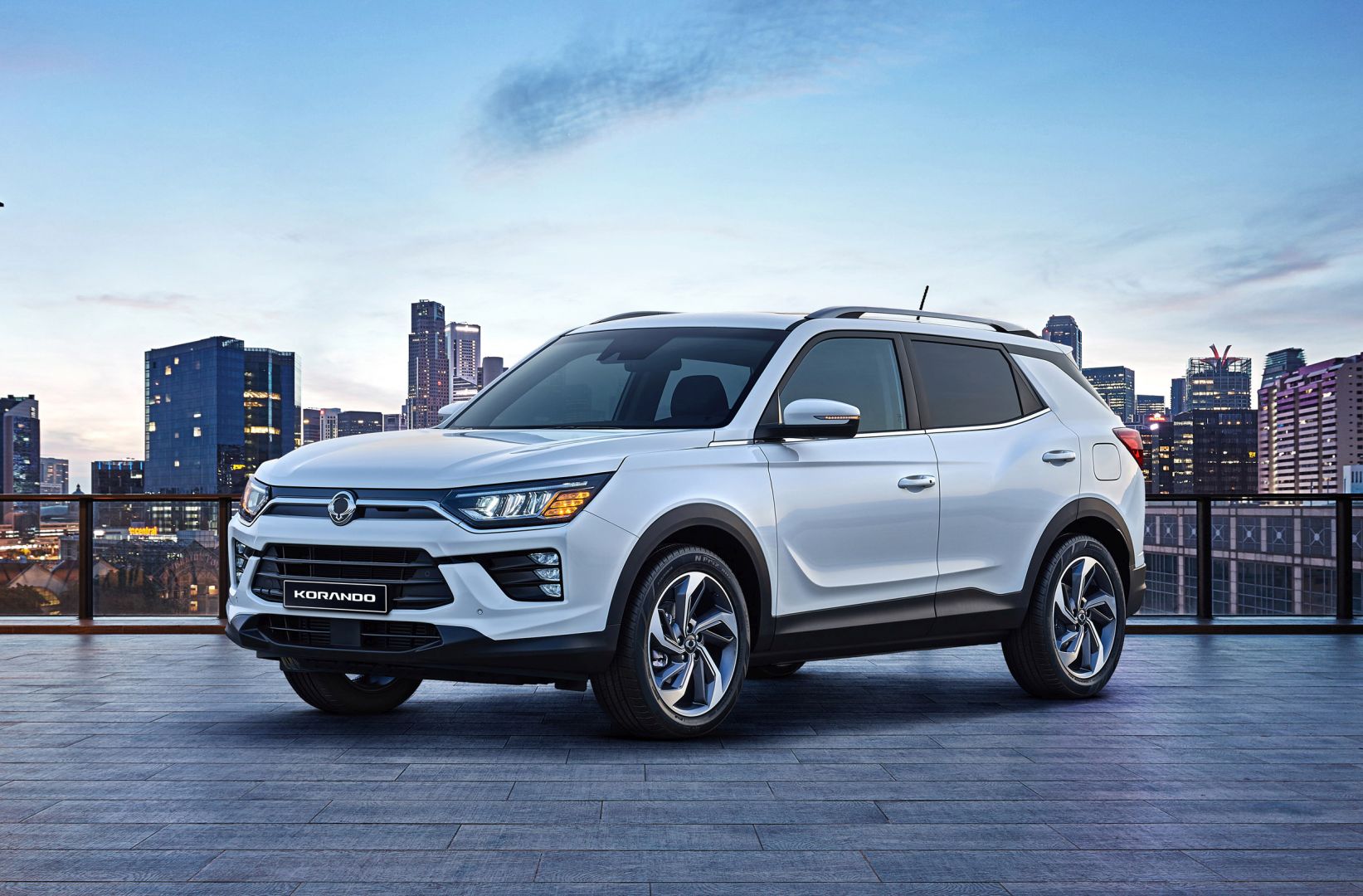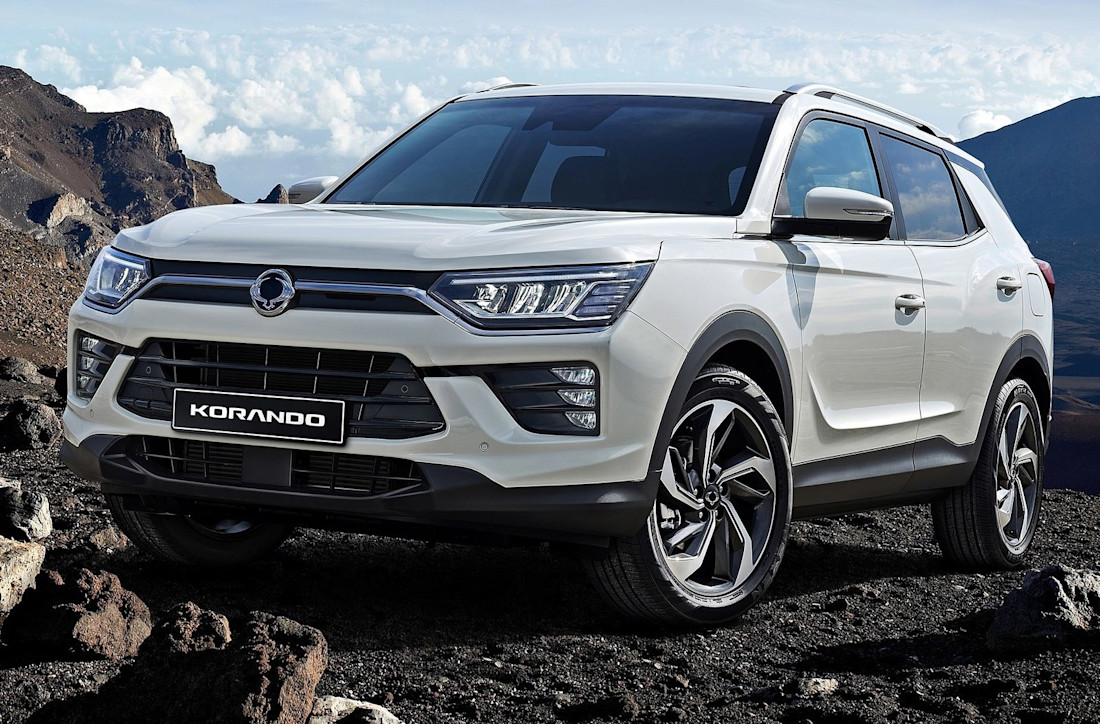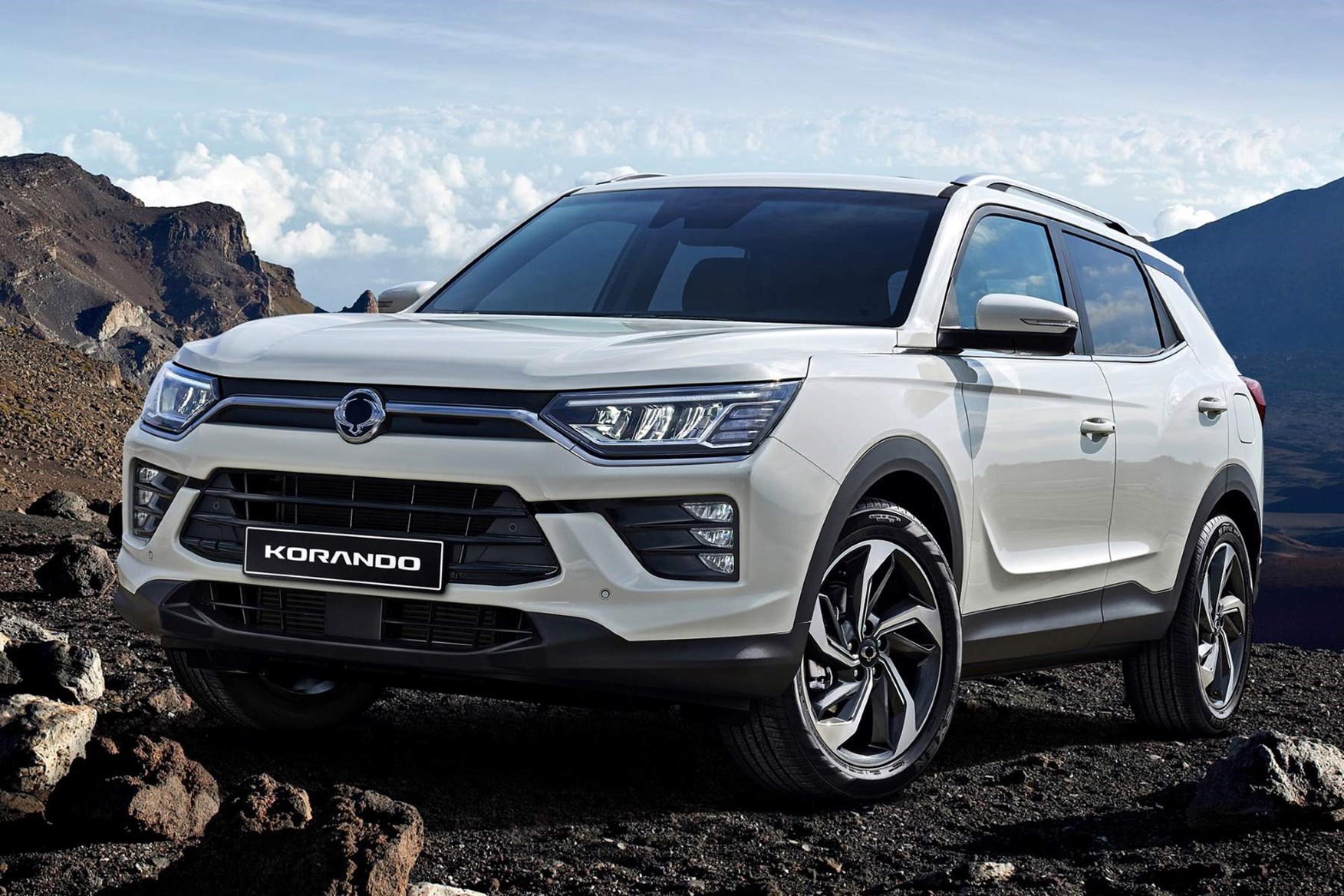
Some automotive tragedies aren't about brands that failed. They're about brands that never got to try. SsangYong sits in that peculiar purgatory of the American car consciousness—a name you've maybe heard whispered in gray-market listings, a marque perpetually rumored to be "coming soon," a showroom that never materialized. So when a 1998 SsangYong Korando surfaced with a $16,400 asking price—a figure that reads less like a transaction and more like a provocation—it demanded attention. Not because the Korando is worth sixteen grand. But because it forces a question we've never properly answered: what exactly were we denied when this Korean manufacturer quietly abandoned its American ambitions?
The Korando itself is a wonderfully strange artifact. Its lineage stretches back to jeep-like utility vehicles built under license, and by the late nineties it had evolved into something genuinely compelling: body-on-frame construction, real off-road hardware, and styling that looked like someone had heard about the Mercedes-Benz G-Wagen secondhand and decided to improve upon the rumor. It was rugged, unpretentious, and priced to undercut the establishment. In Europe, Australia, and its Korean homeland, it found buyers who wanted capability without theatrics. In America, it found nothing at all.
A Brand Without a Home
The reasons for SsangYong's American absence aren't mysterious, but they are instructive. This was never about product inadequacy. It was about infrastructure, timing, and nerve—three things SsangYong consistently lacked when it mattered most.
The brand's ownership history reads like a corporate game of musical chairs. Daewoo. A messy divorce. Chinese investment. Indian stewardship under Mahindra. And now a rebranding into KG Mobility that has effectively erased the name from the conversation entirely. Launching a dealer network in the world's most saturated automotive market requires capital, patience, and a coherent identity. SsangYong possessed none of these in sufficient quantity during the windows when it might have mattered.
American importers looked at that chaotic ownership and saw liability. They were probably right. But they also missed something that a small, stubborn contingent of enthusiasts has known for years: that a vehicle like the Korando offers a kind of honesty the modern crossover has engineered out of existence.
The Market We Built Instead
What makes the omission sting is the shape of the American market that emerged in the intervening decades. We convinced ourselves we wanted rugged, honest SUVs. Then we spent twenty years buying ever-larger crossovers that had abandoned their off-road pretensions entirely.
The Korando was, in retrospect, exactly the vehicle a certain segment of American buyers claimed to want: unglamorous, mechanically straightforward, and inexpensive. We got the Jeep Cherokee instead. The Ford Escape. A thousand soft-roaders that traded capability for cupholders. The SsangYong would have been imperfect—early Korandos were slow, thirsty, and cosmetically eccentric—but it would have been different. And difference has value.
What Everyone Else Got
The cost of this absence isn't merely sentimental. It's comparative. European and Australian buyers received a full SsangYong lineup over the years, from the Rexton to the Tivoli to the genuinely intriguing Torres—a large SUV at a genuinely small price. Recent comparisons of the SsangYong Musso pick-up against its rivals, and of the Korando E-Motion against the Rexton, reveal a brand that was quietly competent in segments where American buyers were being offered less for more. The Musso Grand's ground clearance. The Tivoli's footprint. The Torres EVX's electrified ambitions. These were real answers to real questions Americans were never permitted to ask.
The Road Not Taken
There is a version of this story in which SsangYong arrives in the States in the early 2000s, finds a niche among budget-conscious off-roaders and fleet buyers, and slowly builds the kind of cult following that sustains a brand through lean years. That version did not happen. The reasons are as much about risk aversion as market conditions—about a industry that talks endlessly about disruption while quietly refusing to disrupt itself.
The $16,400 Korando is not a bargain. It is a monument to a road not taken, priced at the cost of our collective incuriosity. And in a market that now clamors for affordable, honest, off-road-capable machines while paying luxury prices for leather-lined soft-roaders, that monument feels less like a curiosity and more like an indictment.
SsangYong—now KG Mobility—was never going to conquer America. But it might have made it better. The brand's philosophy was always simple: build capable vehicles for people who needed them, at prices they could afford. That's not a marketing slogan. It's a mission statement. And it's one we could have used.