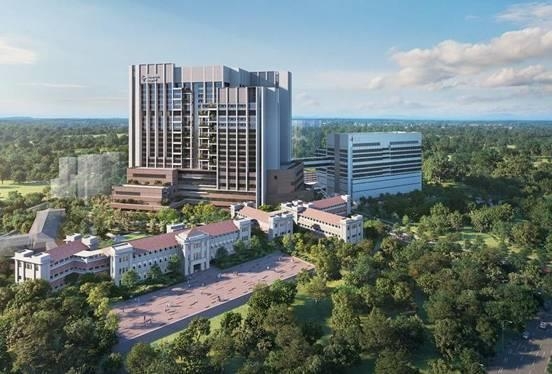
There's a certain irony in the fact that the most consequential news to carry the SsangYong name this month has nothing to do with a vehicle. Ssangyong E&C — Ssangyong Engineering & Construction — has won the design-build contract for Singapore's Tengah Hospital, a deal valued at roughly $2.15 billion, or about 3 trillion won. It is the largest single order in the company's history, secured on a sole-bid basis, and it lands at the precise moment when the automotive SsangYong brand is navigating its own uncertain afterlife.
For anyone who remembers the marque as the plucky, slightly eccentric Korean 4x4 builder that kept trying — and failing — to crack the American market, the headline lands strangely. The name that once sold the Musso and the Korando is now, in its engineering guise, in the business of hospitals. To understand how the two SsangYongs diverged, you have to go back to the beginning — because they never were the same company at all.
Two Companies, One Name
The corporate ancestor, SsangYong Group, was a sprawling Korean conglomerate whose interests ran from cement and construction to paper, insurance, and, eventually, automobiles. When the Asian financial crisis tore through Korea in the late 1990s, that conglomerate shattered, and its pieces scattered. The construction arm went one way, enduring its own long rehabilitation. The automotive arm went another, beginning a two-decade odyssey of owners and rebrandings that reads like a cautionary tale about scale in the global car business.
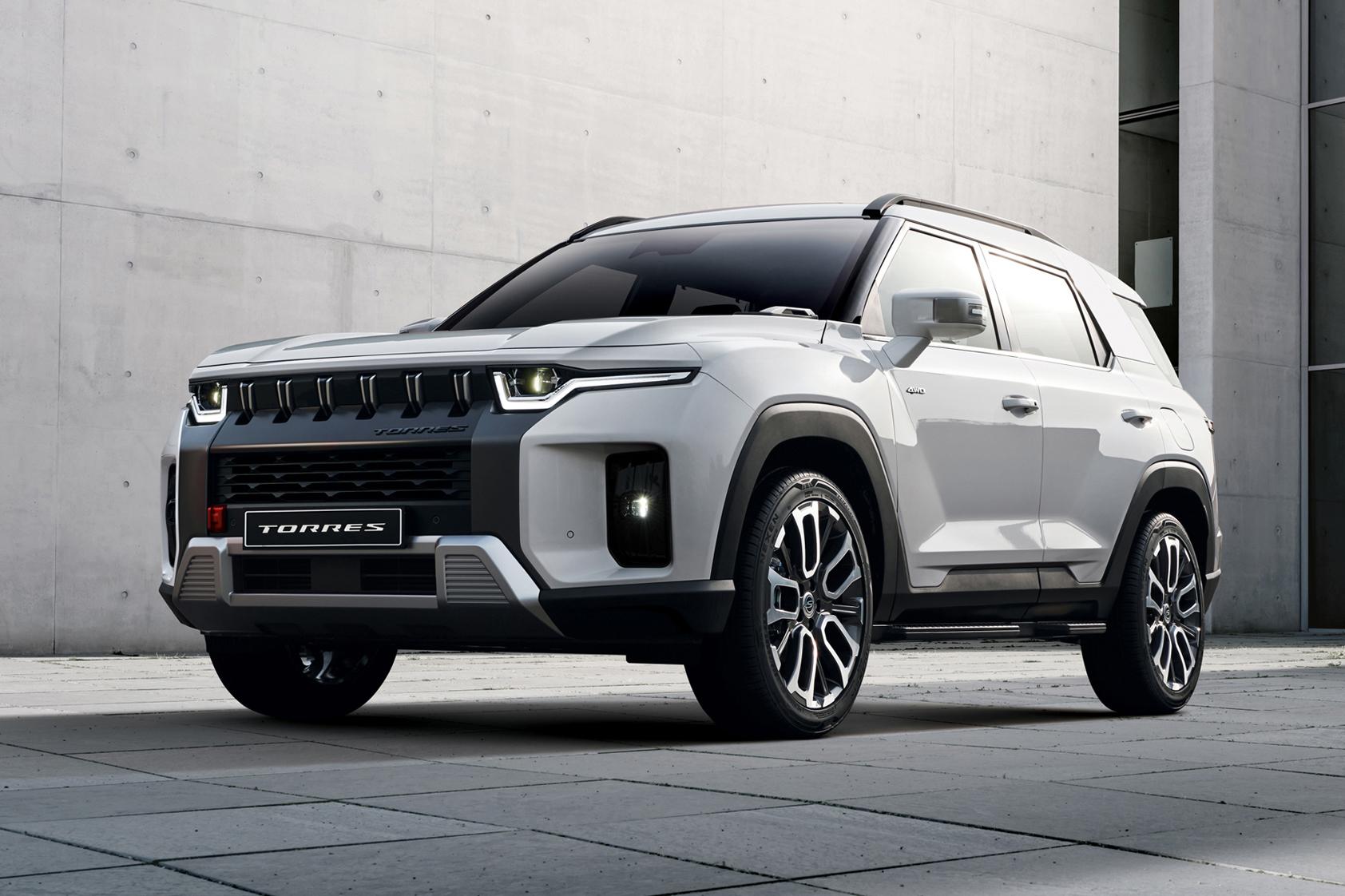
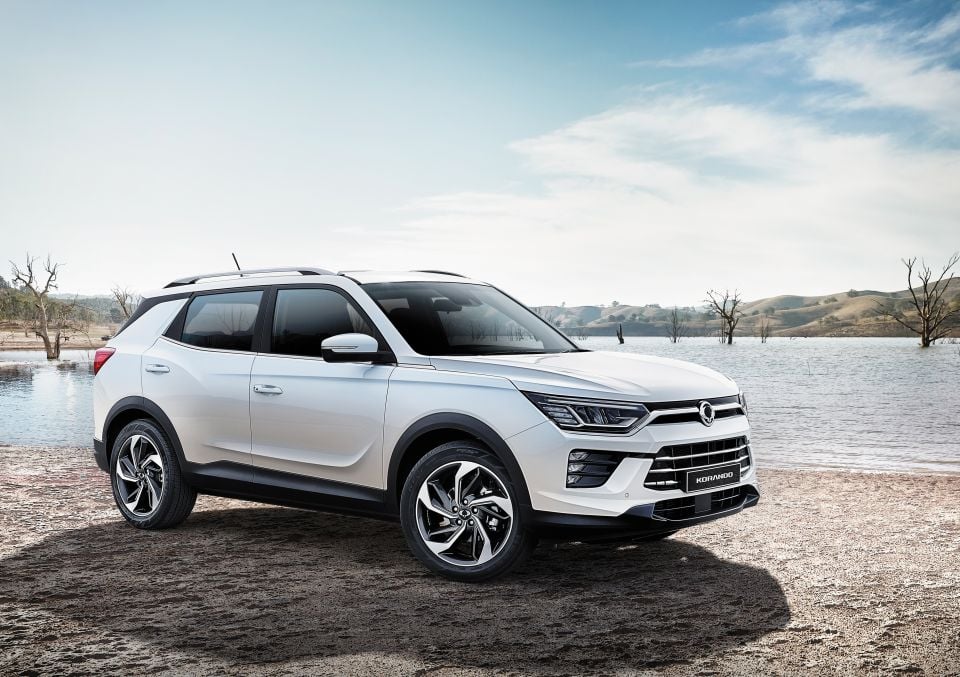
That automotive odyssey is the part enthusiasts know. SsangYong Motor passed from Daewoo to SAIC to Mahindra, each owner arriving with a plan and departing with a lesson. The products were never the problem, exactly — the Rexton and Musso had genuine character, and the Korando nameplate carried real heritage. The problem was scale. A small manufacturer cannot amortise platforms, powertrains, and safety engineering across enough volume to compete with Hyundai, Kia, Toyota, and Volkswagen, and SsangYong's attempts to do so in markets like the United States were, by any commercial measure, a failure.
The End of the Road for the Badge
Then came the final act. Mahindra's retreat led to a bankruptcy proceeding, and in 2022 the automotive business was acquired by the KG Group, a Korean chemicals and steel conglomerate. The cars, the factories, the dealers, and the heritage were folded into a new identity: KG Mobility. The SsangYong badge, for all practical purposes, stopped appearing on new vehicles. The name was retired from the automotive world — not with a ceremony, but with a rebranding memo.
Which is why the Singapore hospital contract reads as such a curious cultural artefact. The SsangYong name did not vanish. It simply reverted to the half of the family that had quietly kept working: construction, infrastructure, heavy industry.
Concrete and Steel, Not Sheet Metal
Ssangyong E&C has spent years building hotels, bridges, and towers across Asia and the Middle East, and the Tengah Hospital win — a massive, government-linked healthcare project in one of the world's most demanding construction markets — represents the kind of scale the car business never could have delivered. There is no badge on a hospital, no dealership network, no brand equity to squander. There is simply a contract, a crane, and a deadline.
For the car enthusiast, the lesson stings a little. The SsangYong that built the Musso Grand pick-up, still compared against rivals in European spec sheets as recently as this year, was a genuine underdog with a distinctive engineering philosophy — body-on-frame toughness, Mercedes-derived diesel know-how, and a willingness to be weird. But underdogs need either deep pockets or a niche small enough to defend. SsangYong had neither. The company that could not cut it in America was never really beaten by its rivals; it was beaten by arithmetic.
A Name That Outlasted the Cars
So when you read that Ssangyong E&C has landed its largest contract ever, worth 3 trillion won, building a hospital in Singapore, understand what you are reading. It is not a comeback. It is a family reunion of sorts — the name returning to the business it was always better suited to. The cars are gone, reborn as KG Mobility. The name lives on, pouring concrete and hanging steel.
In the end, SsangYong built things that lasted. Just not, in the end, the things we wanted it to.