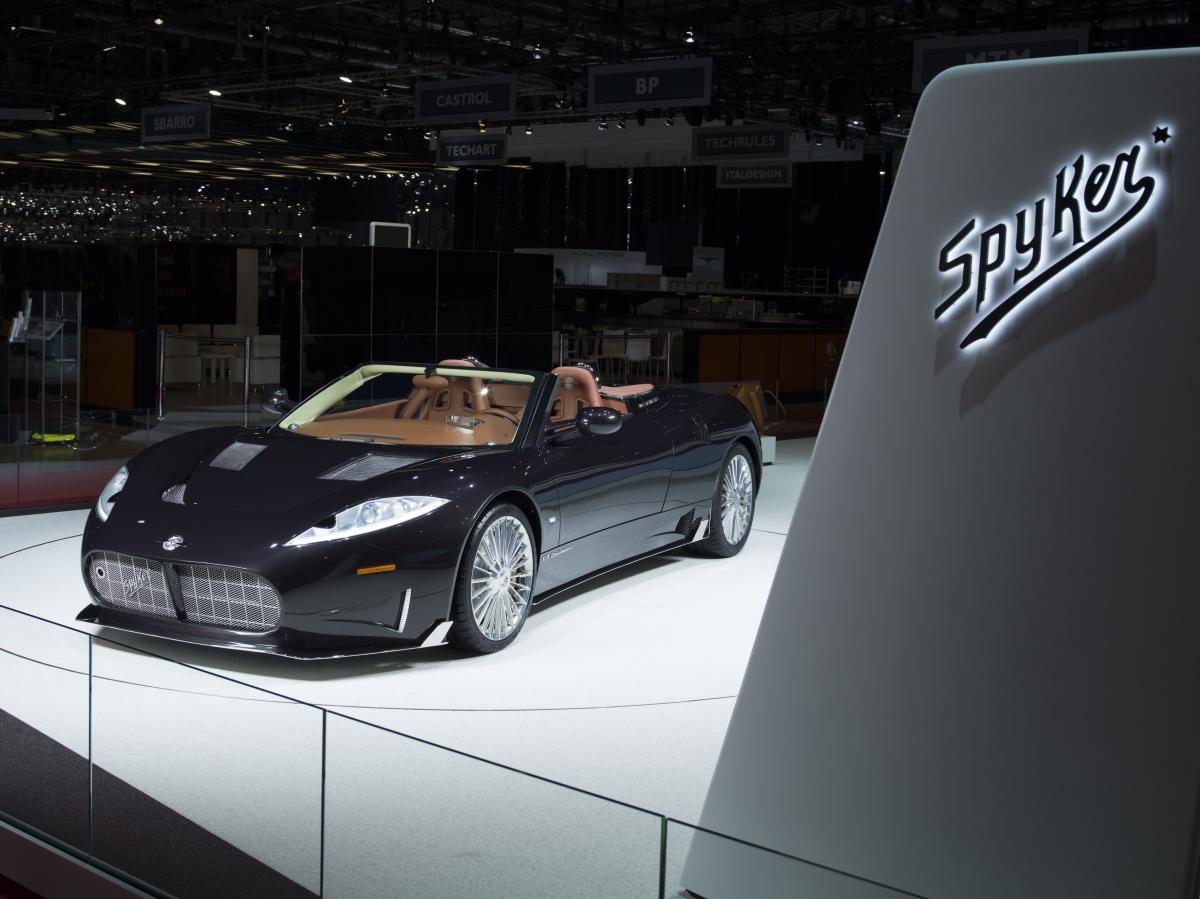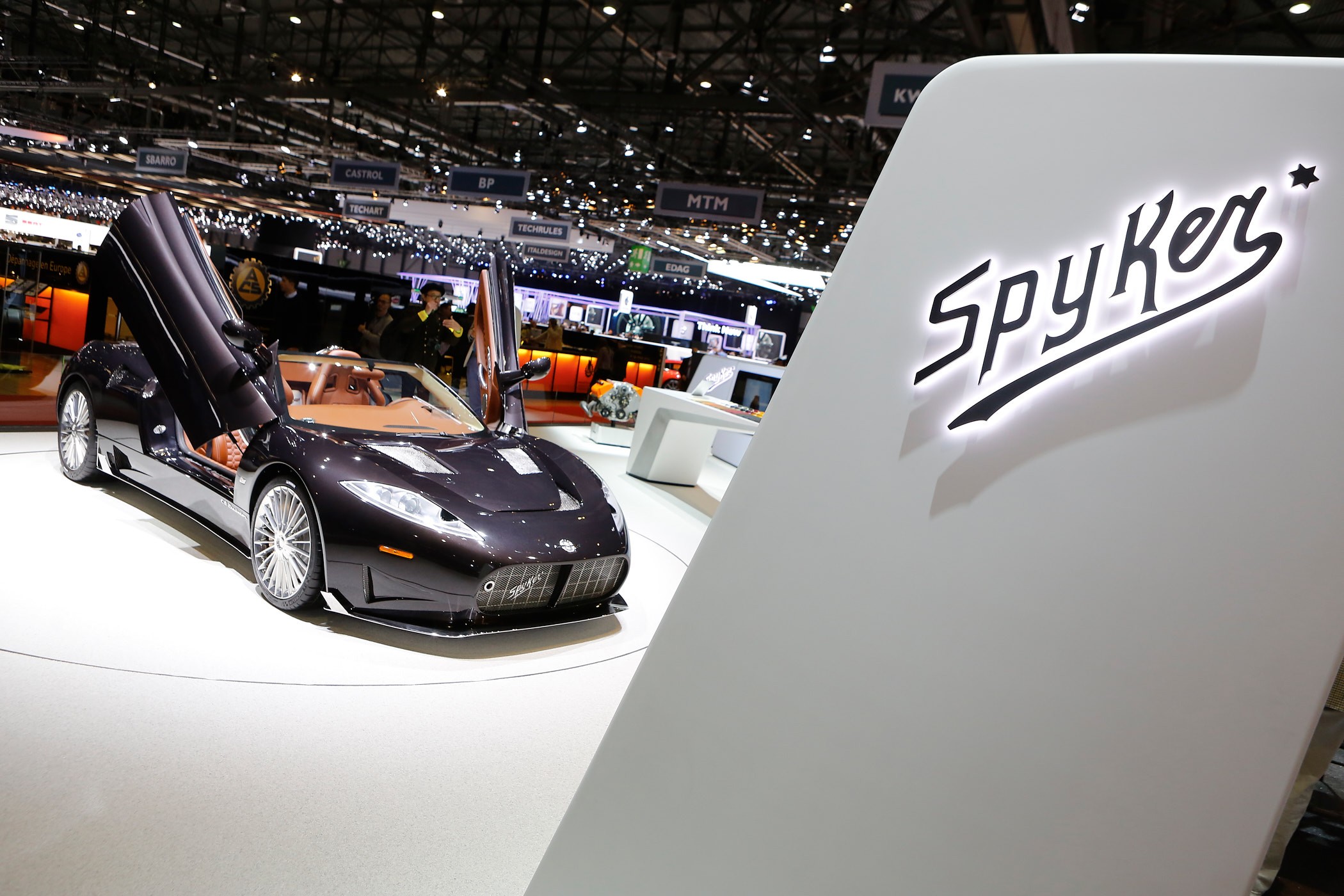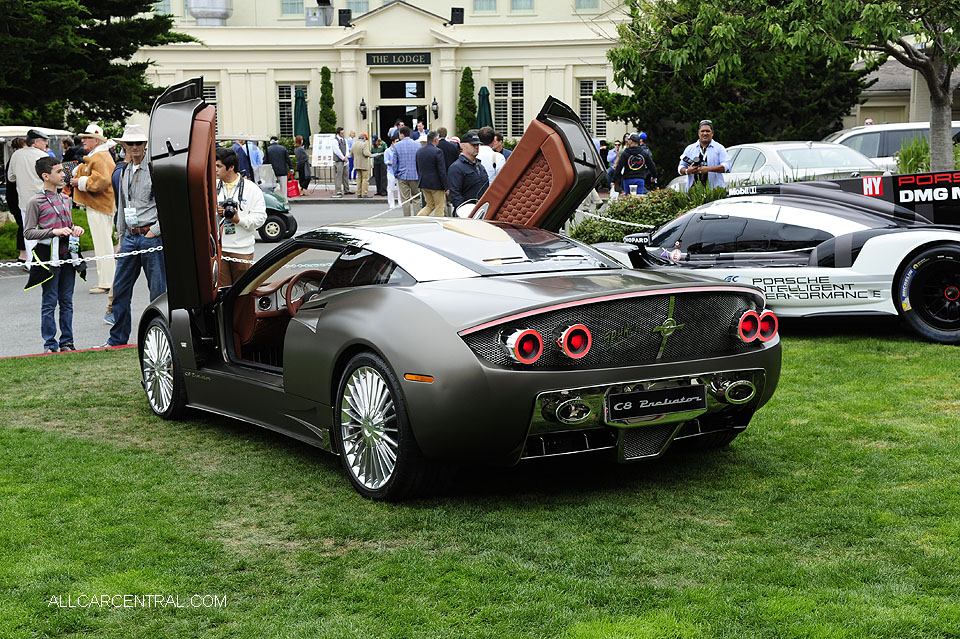
Spyker is back. Again. The Dutch marque with two bankruptcies on its résumé, a company that has spent more years dormant than alive over the past century, has returned with the C8 Preliator XXV—an 800-horsepower, manual-only hypercar limited to 25 units, unveiled at Pebble Beach to considerable fanfare. The specs read like a fever dream: a supercharged Audi V-8, a six-speed manual gearbox, rose gold detailing, and bodywork that could make a grown enthusiast weep. On paper, it's the antidote to the electric hypercar era, a defiant middle finger to the inevitability of silent, soulless speed.
And yet something about this revival feels off.
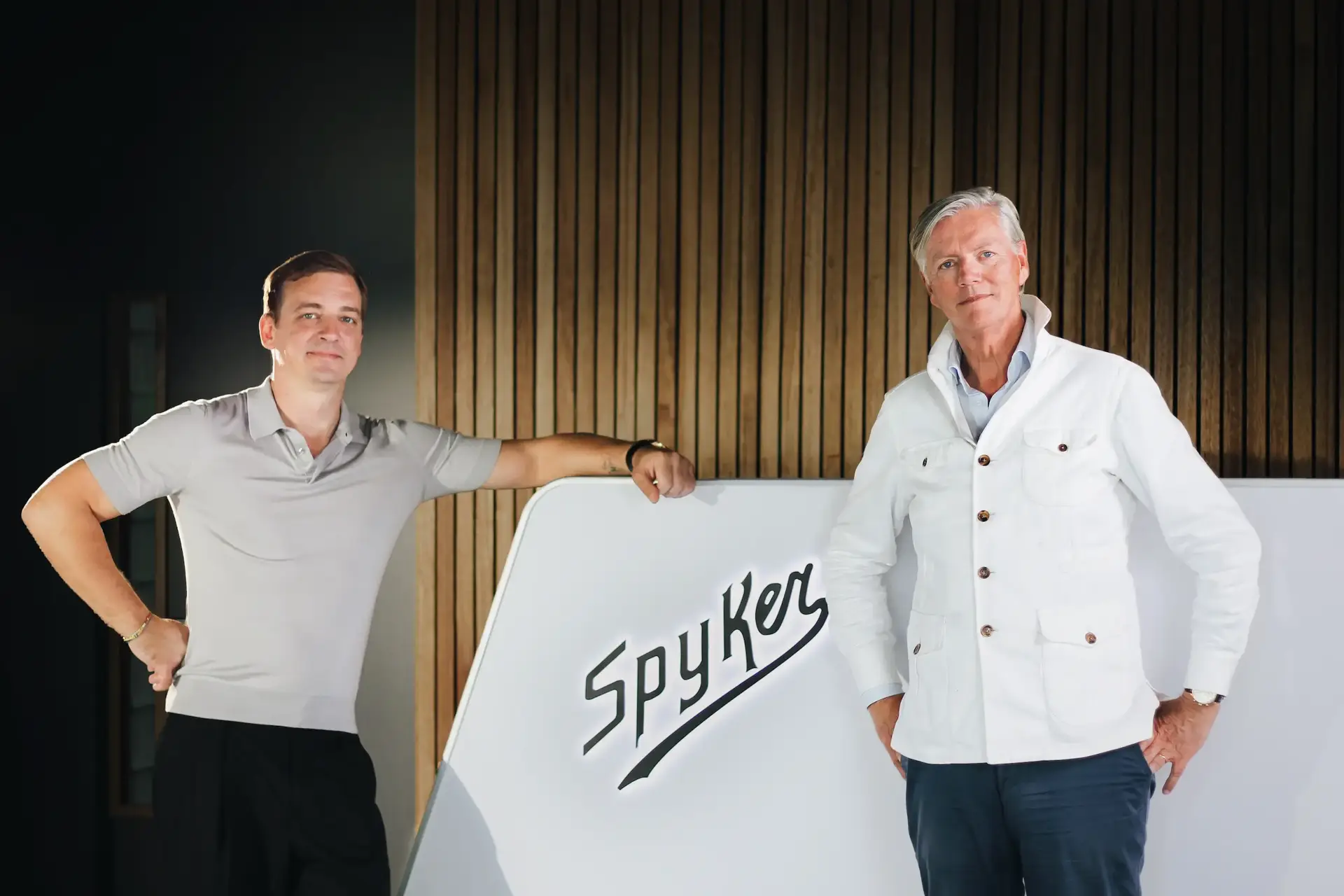
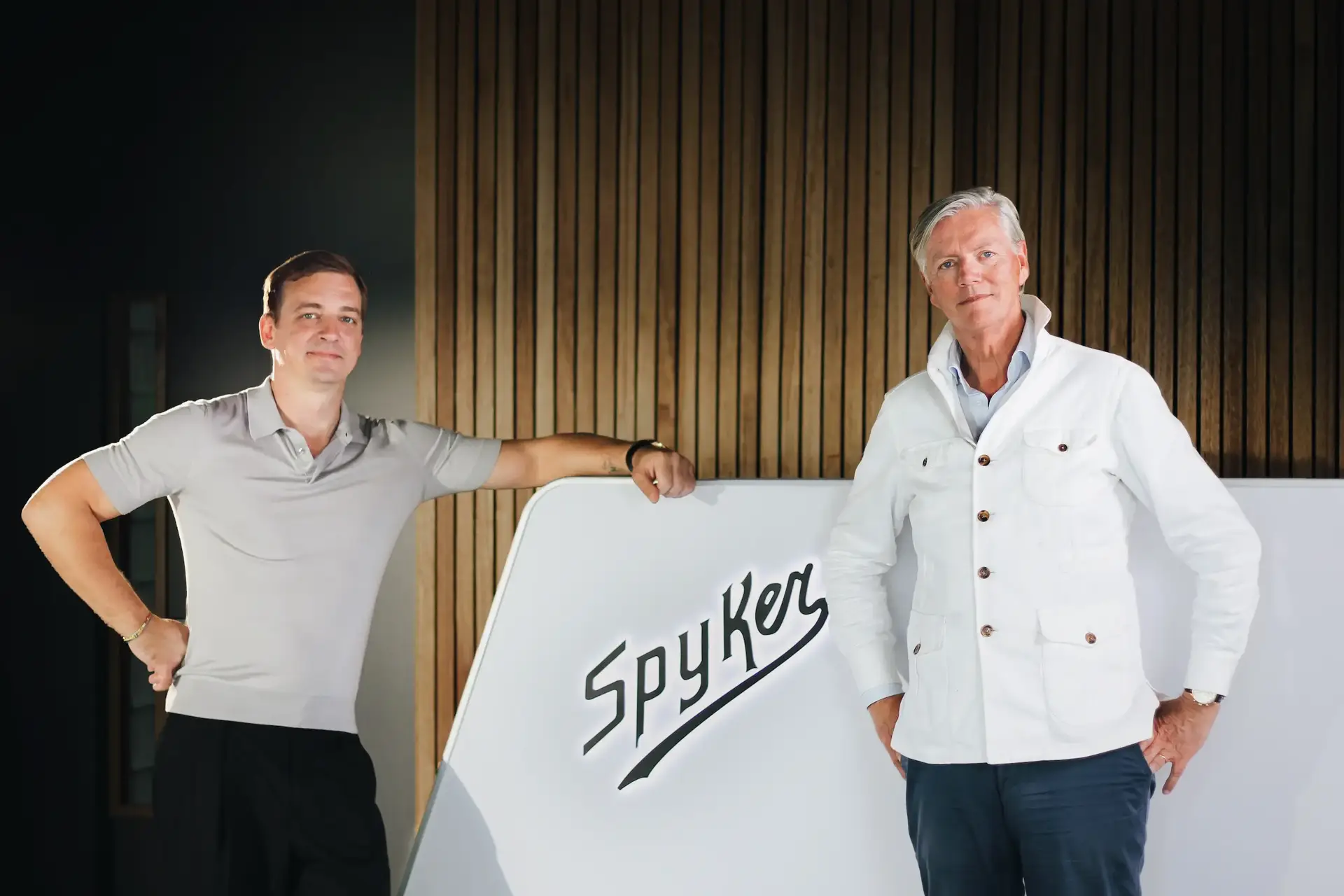
The "something" has a name, and according to reporting from The Autopian, that name belongs to a billionaire crypto investor who has apparently taken the reins at Spyker. This is where the story shifts from automotive romance to something considerably more complicated.
New Money, Old Mystique
Crypto wealth and legacy European sports car brands have become an increasingly familiar pairing in recent years—a marriage of new money and old-world mystique that rarely produces the results either party envisions. The pattern is recognizable: a charismatic figure with enormous liquid wealth acquires a storied but struggling brand, promises a glorious return to form, and then... well, the outcomes vary wildly, and rarely in the direction enthusiasts hope.
What makes Spyker's case particularly strange is the timing and the theatricality. The company has been declared dead more than once. Its previous revival attempts, including the original C8 Preliator announced years ago, never reached meaningful production. Now, under new ownership, we're told that 25 hand-built hypercars will emerge, each presumably costing a sum that would make a McLaren owner wince. The C8 Preliator XXV is presented as a fait accompli, but Spyker's history suggests we should temper our enthusiasm with a healthy dose of skepticism. Two bankruptcies is not a track record that inspires confidence, regardless of who's signing the checks.
The Volatility Problem
The crypto connection adds another layer of unease. Cryptocurrency fortunes can be volatile in ways that traditional wealth is not. A billionaire today may be significantly less of one tomorrow, depending on market movements that no one can reliably predict. When a niche hypercar manufacturer's survival depends on the continued liquidity of a single individual whose wealth is tied to digital assets, the risk profile becomes... unusual.
Traditional automotive investors—industrial groups, sovereign funds, established family offices—bring stability and long-term perspective. Crypto wealth brings speed, enthusiasm, and the possibility that the entire enterprise could evaporate if the founder's portfolio takes a significant hit. It's a different species of backing entirely, and not necessarily a hardier one.
The Machine Itself
None of this is to say the C8 Preliator XXV isn't a magnificent machine. The specifications are genuinely impressive: that supercharged Audi V-8 producing nearly 800 horsepower, the tactile engagement of a manual transmission in an era when such things are becoming extinct, the craftsmanship evident in every surface. MotorTrend called it "the antidote to the electric Ferrari," and that framing resonates precisely because so many enthusiasts feel alienated by the industry's headlong rush toward electrification. Spyker, whatever its ownership situation, understands this sentiment and is exploiting it skillfully.
But here's the uncomfortable truth: Spyker has made promises before. Beautiful, compelling, emotionally resonant promises that never materialized into deliverable cars. The brand's survival has always depended on a kind of romantic faith from its supporters—a willingness to believe that this time will be different. The crypto billionaire's involvement doesn't necessarily invalidate that faith, but it does complicate it. We're no longer just believing in a car company; we're believing in the continued solvency and commitment of a single wealthy individual whose primary expertise lies in an entirely different, notoriously volatile domain.
A Sign of the Times
Perhaps the strangest aspect of this whole affair is how unsurprised we've become. A crypto billionaire reviving a bankrupt European sports car brand? Of course. This is simply the world we inhabit now, where the lines between speculative finance and heritage manufacturing have blurred beyond recognition.
The C8 Preliator XXV may well be a wonderful car—the kind of machine that reminds us why we fell in love with automobiles in the first place. But its existence depends on forces far removed from the automotive world, and that should give us pause. Spyker's philosophy has always been about defying convention, about building the improbable against all odds. Whether that philosophy can survive contact with the peculiar economics of crypto wealth is a question only time—and the market—will answer.