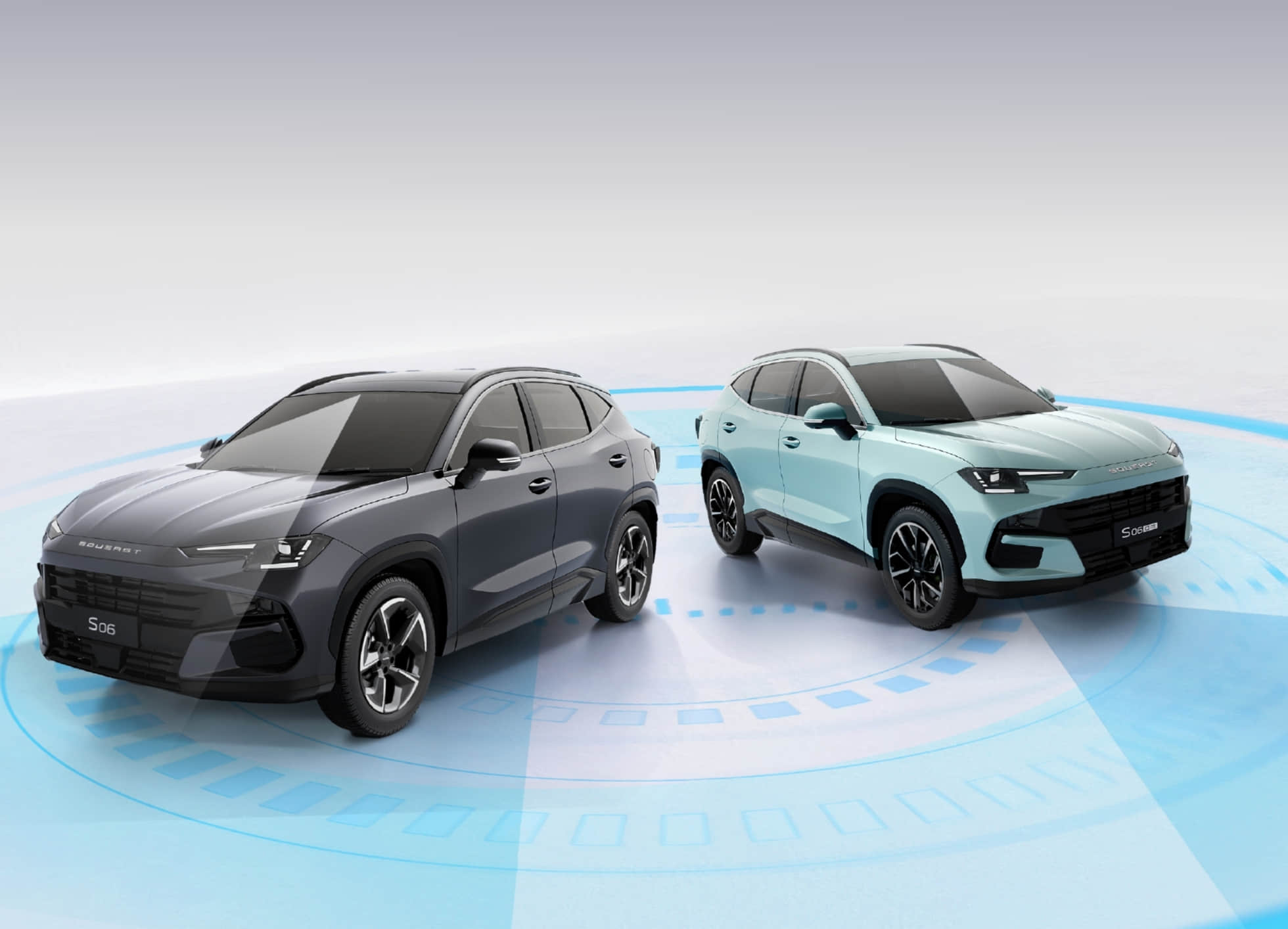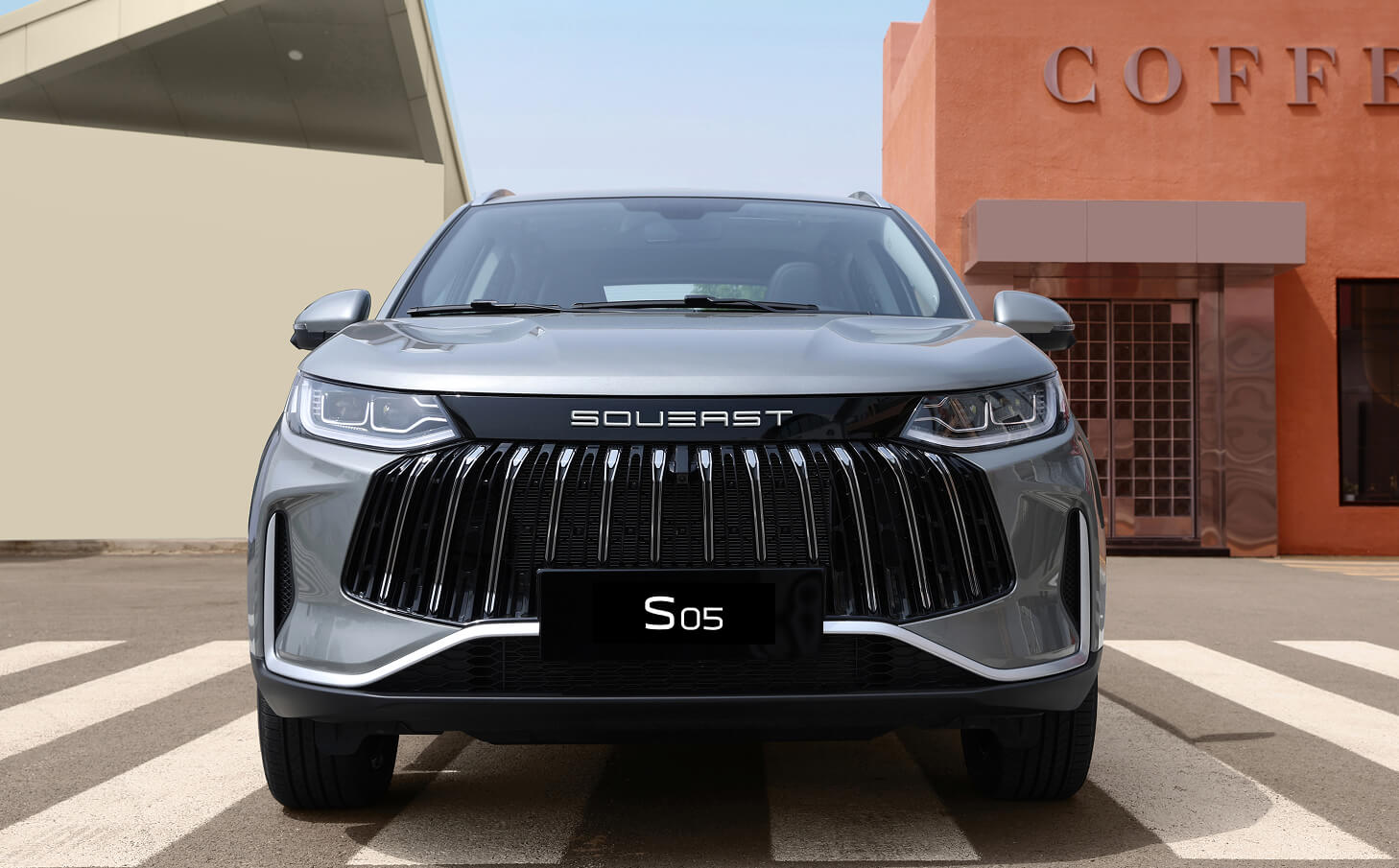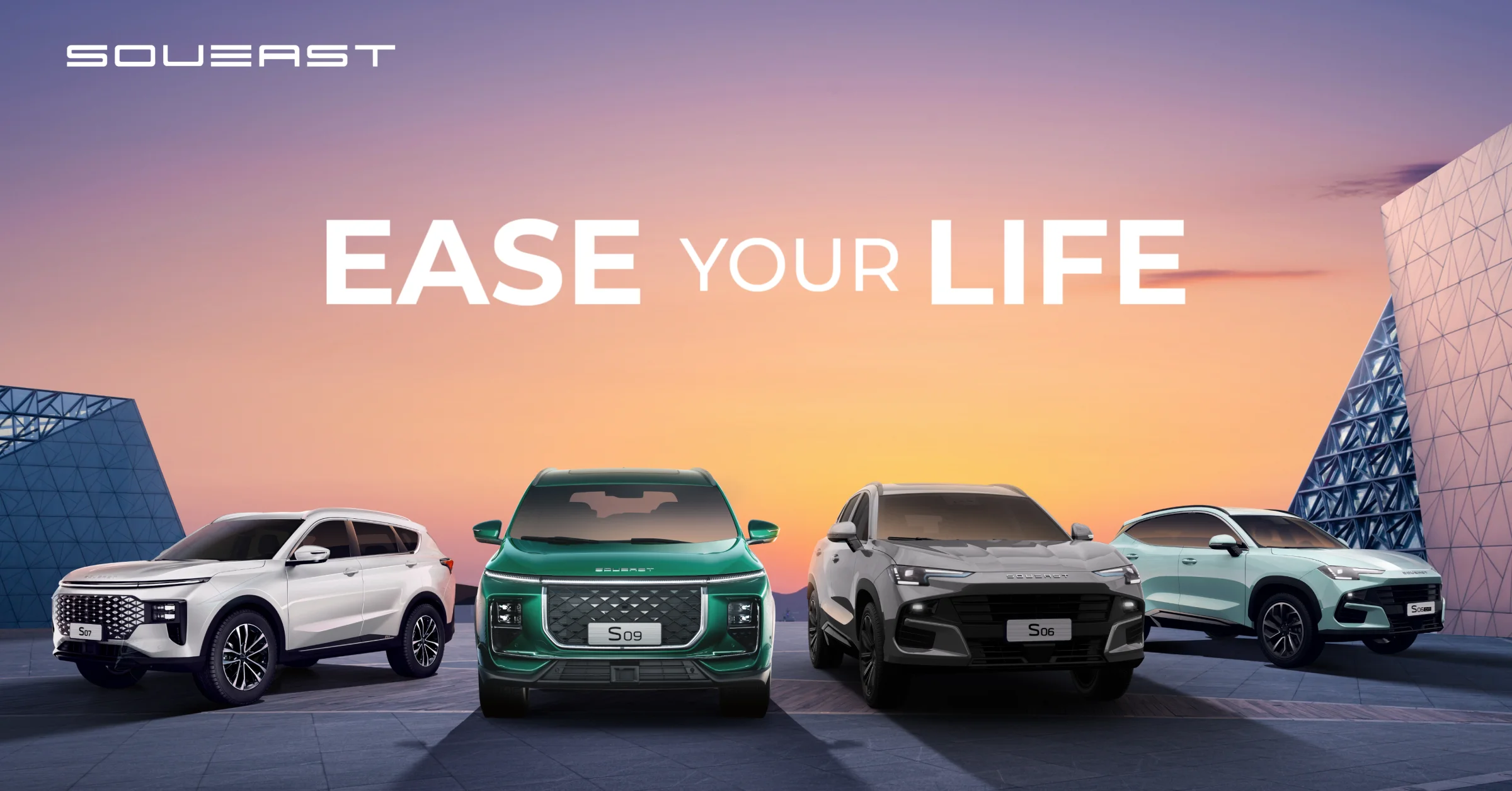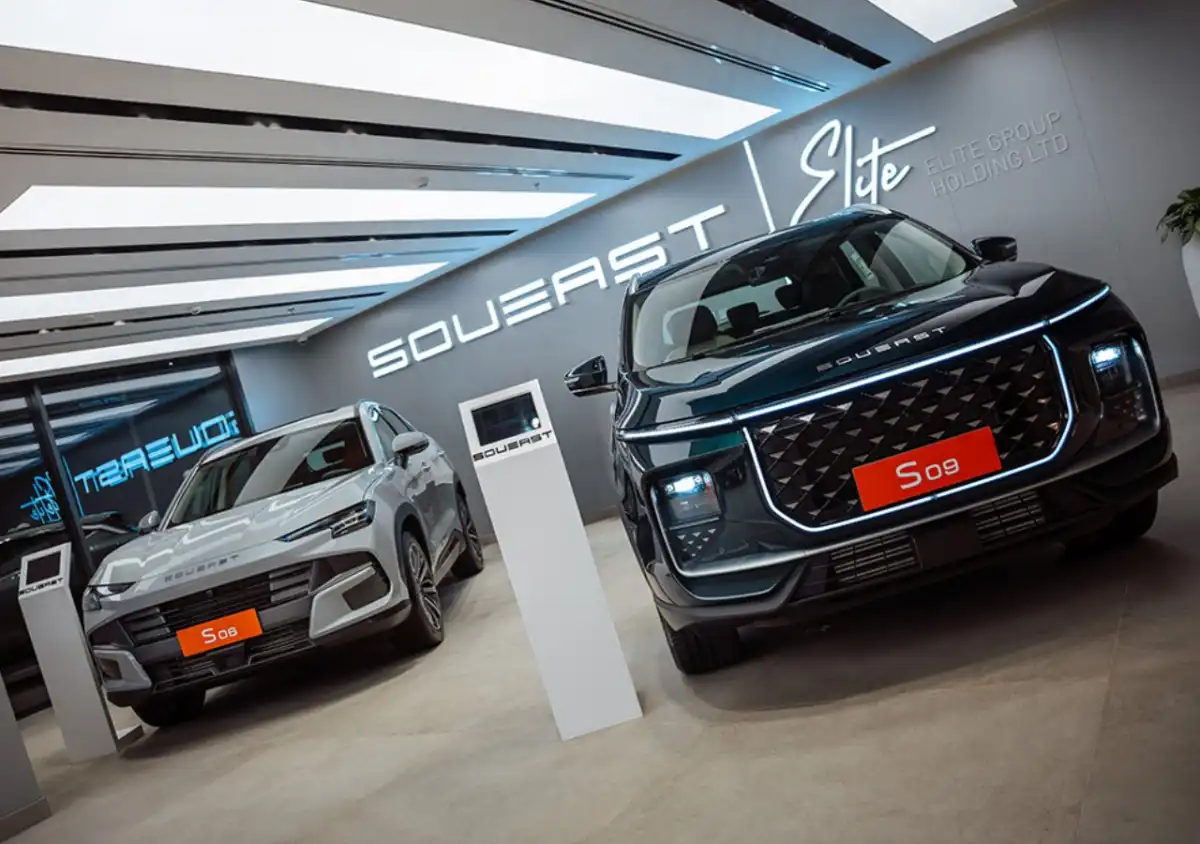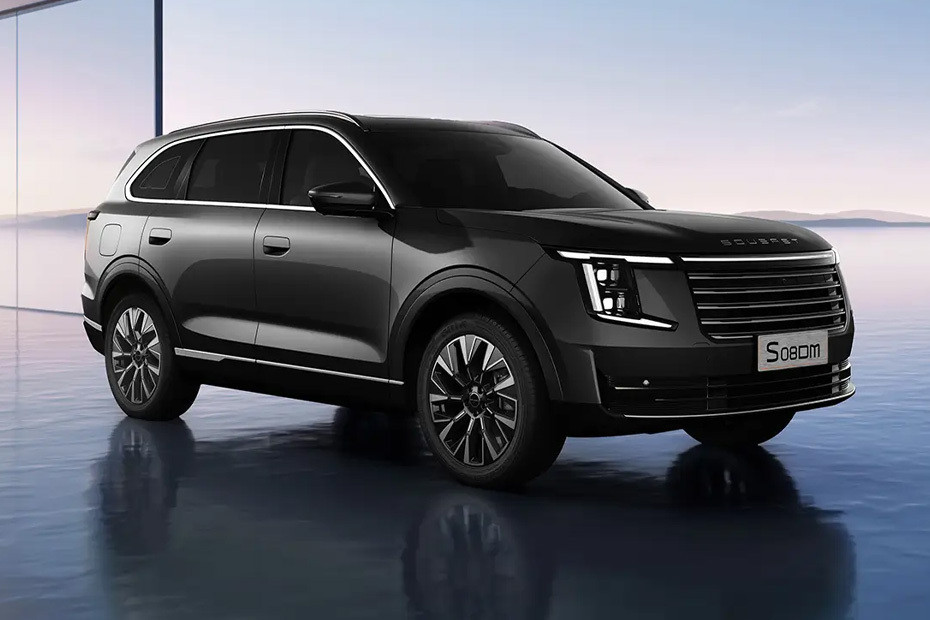
The global electrification story has always been written from the charging station outward. Plug in here, fast-charge there, and the assumption that a robust grid must precede mass EV adoption has hardened into gospel in boardrooms from Stuttgart to Shanghai. But a quiet counter-argument is gaining traction across the Middle East, North Africa, and Latin America — and it is being made by a Chinese automaker few Western analysts had on their radar five years ago. Soueast has built its international expansion around a deceptively simple thesis: where the charging infrastructure does not yet exist, the hybrid sedan is not a compromise. It is the answer.
Look at where Soueast is planting its flag and the logic becomes unmistakable. The S08 DM — the brand's plug-in hybrid SUV and its de facto global ambassador — launched in Mexico, made its African debut in Morocco, completed its first test drives in Iraq, and appeared at Egypt's North Coast roadshow. Each of those markets shares a common trait: ambitious electrification targets on paper, skeletal charging networks in practice. Morocco has committed to serious EV adoption but still counts its public charging points in the low thousands for a country of nearly 40 million. Iraq's charging infrastructure is thinner still. Even in Mexico, where EV sales are climbing, the grid outside Mexico City and Monterrey remains an afterthought for most drivers.
Meeting the Market Where It Stands
This is where Soueast's positioning sharpens into something more than marketing. The S08 DM pairs an electric drivetrain with a combustion engine that removes range anxiety entirely. A driver in Baghdad or Casablanca gets the quiet, low-cost electric experience for the daily commute without needing to locate a functioning fast charger on the weekend run to the coast. Soueast has been explicit about this framing, riding what it calls MENA's electrification wave with its hybrid portfolio rather than waiting for the wave to reach full height. It is a strategy of meeting the market where it stands — not where European regulators wish it stood.
The Commercial Footwork Behind the Thesis
The brand's commercial moves reinforce the same pragmatism. Soueast opened a corporate headquarters in Mexico City alongside Jetour, launched in Brazil, opened its first mall showroom in Iraq, and has been steadily building localized trust in the Middle East through what it describes as localization — a word that in this context means dealer networks, service centers, and parts availability rather than translated brochures. Partnerships with Red Bull Dance Your Style and Time Out's "Inspirational Weekend" campaign suggest a brand courting urban aspirational buyers, the same demographic that might otherwise default to a Toyota Corolla Hybrid or a Hyundai. Football sponsorships across four Latin American markets follow the same playbook.
Doubling Down as Others Retreat
What makes this more than opportunistic is the timing. The 2026 Soueast Global Technology Experience Day and the brand's debut at Auto China 2026 signal that the company intends to scale this hybrid-first approach rather than treat it as a stopgap. As Western automakers quietly retreat from some emerging-market EV commitments — recalibrating timelines as demand softens — Soueast is doubling down on the segment those retreats are vacating. The hybrid sedan, dismissed in some circles as a transitional technology, becomes the durable one in markets where the transition has barely begun.
The Argument, Not the Asterisk
None of this guarantees success. Soueast remains a relatively young brand internationally, competing against entrenched Japanese and Korean incumbents with decades of dealer loyalty. But the strategic clarity is striking. While the rest of the industry debates how quickly the grid will arrive, Soueast has simply built cars that do not require it to. In the places where the charging map goes dark, that is not a small advantage — it is the entire argument.