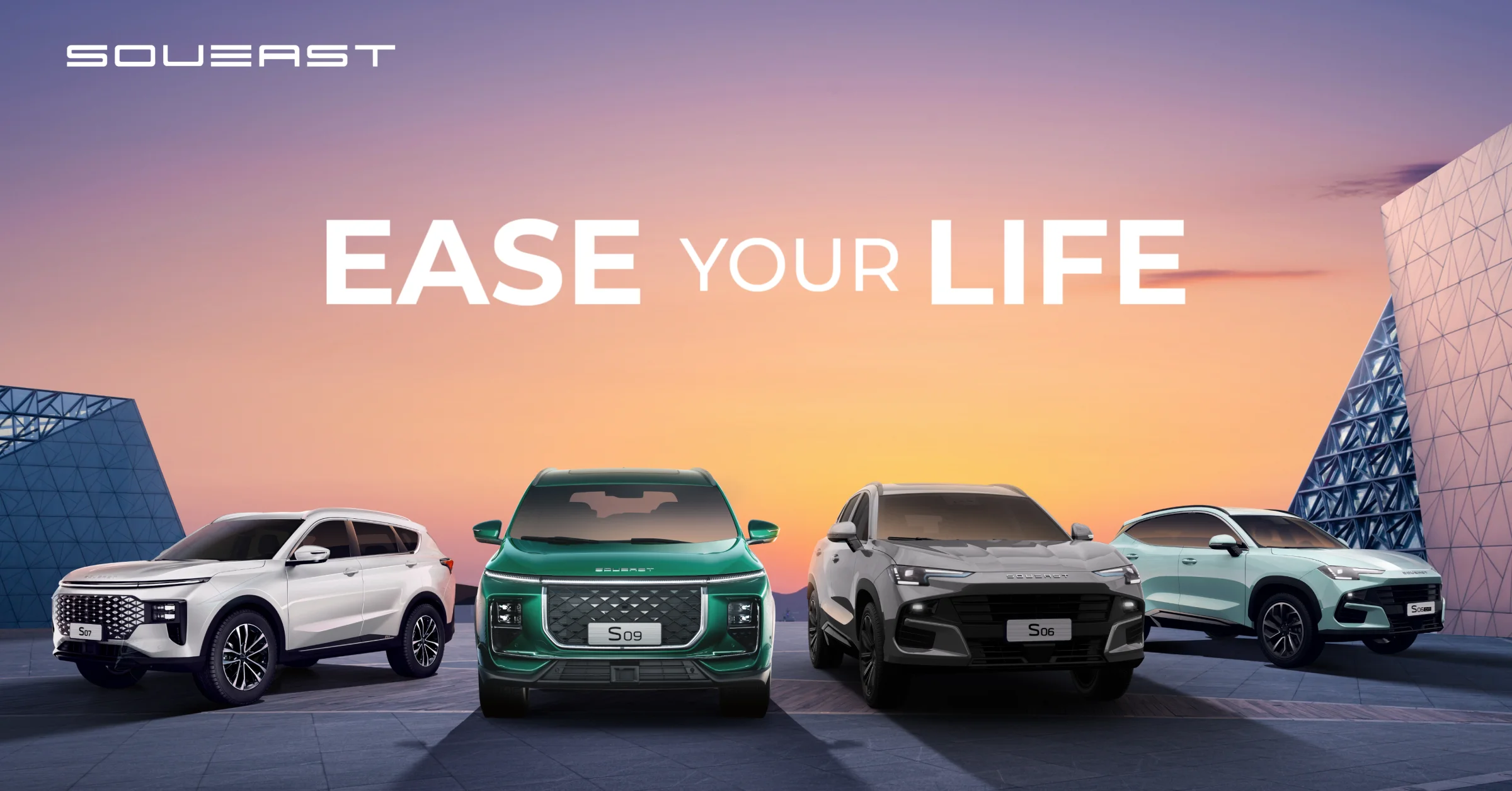
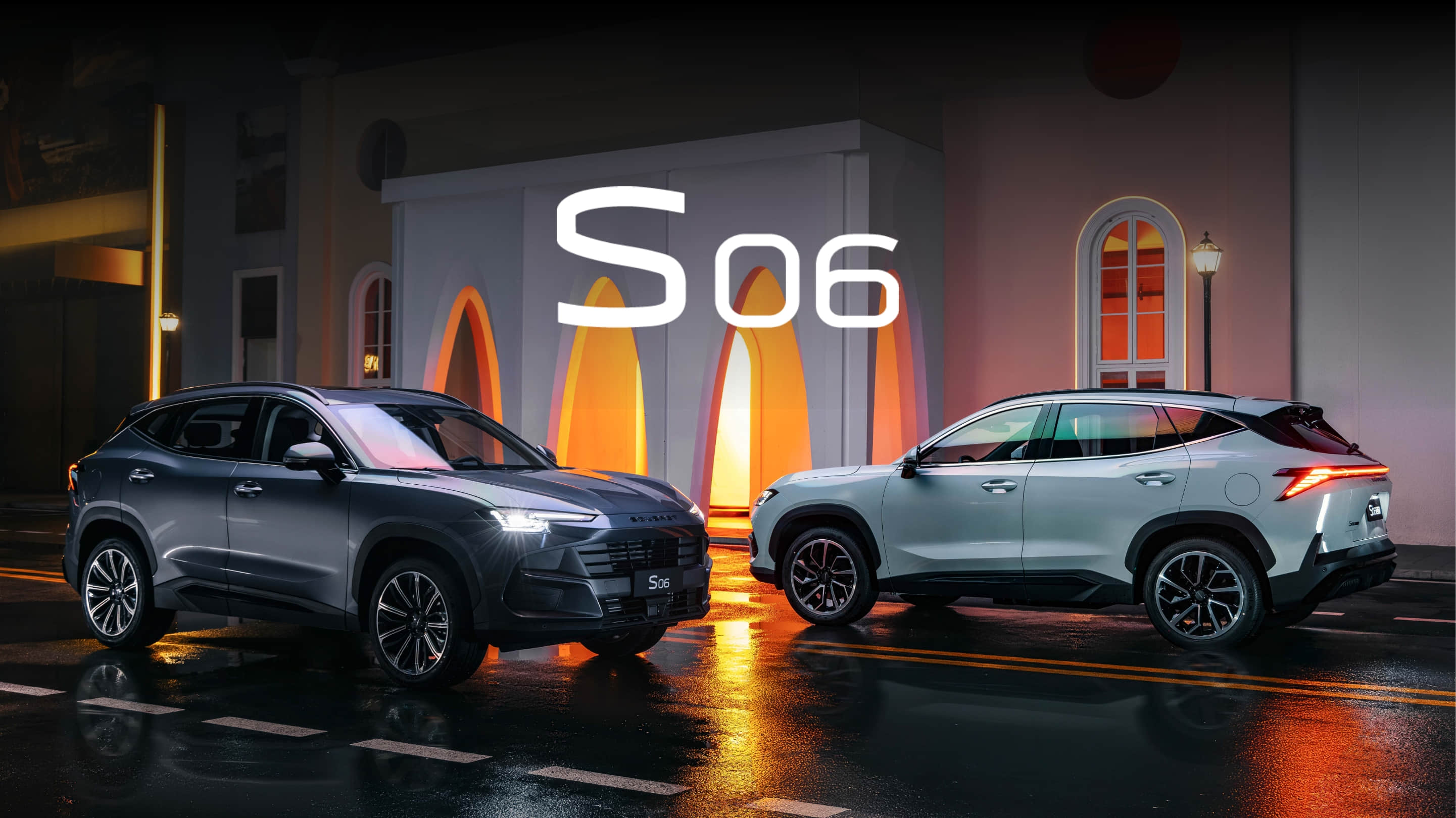
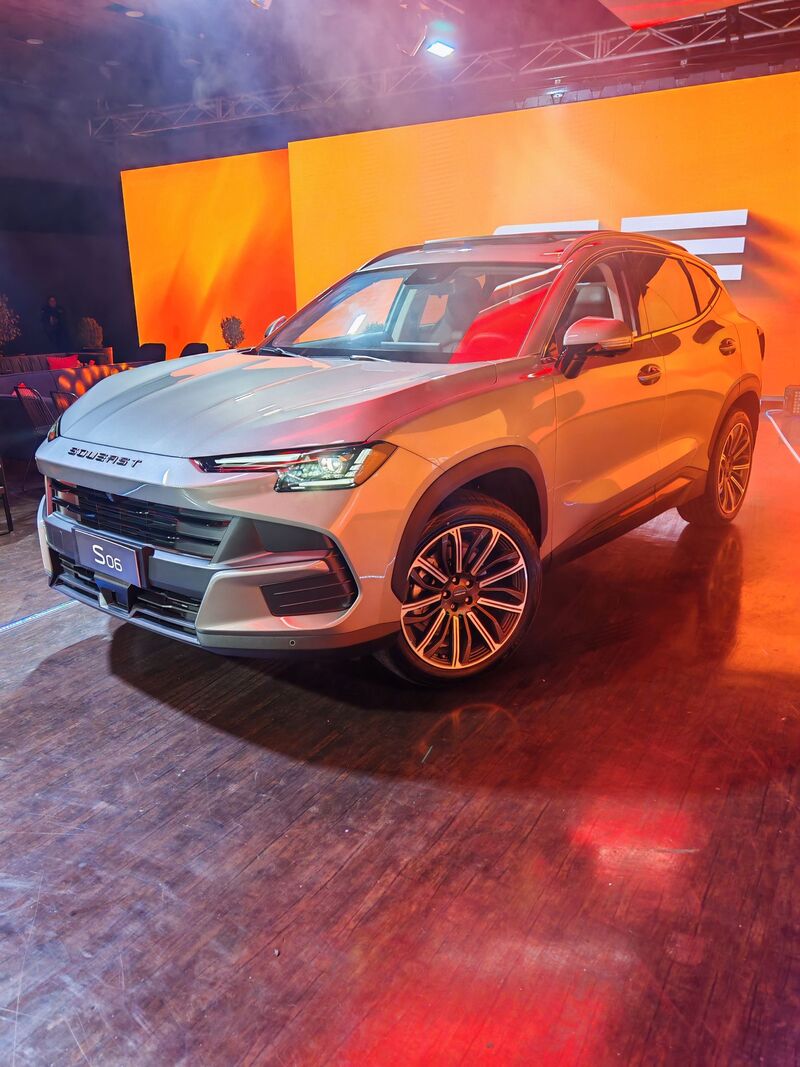
Most Chinese automakers entering foreign markets lead with the same three words: range, warranty, price. Soueast is trying something stranger and, judging by the pace of its expansion, more effective. The brand — now operating under the Jetour Soueast umbrella — is building its overseas identity not around product specification sheets but around nightlife, weekend leisure, and a loosely defined concept it calls the "Travel+" ecosystem. In practice, that means the company is selling cars by selling the lives people might live inside them, and it is doing so through an unusually eclectic mix of dance competitions, pop-up roadshows, and coastal test-drive events.
It is a playbook that treats the showroom as the last place a brand gets built. Before a buyer in Mexico City or Dubai ever reads a torque figure, Soueast wants them to have stood in a crowd, voted on a dance battle, and felt the brand's name in the air. Whether that translates into keys handed over is the open question — but it is a more interesting bet than another round of sticker-price undercutting.
Dance Floors as Marketing Infrastructure
The clearest expression of this strategy is Soueast's partnership with Red Bull Dance Your Style, the global street-dance battle format that pits dancers against each other in front of a crowd that votes for the winner. Framed by the company as a "Travel + Culture" experience, the tie-up gives Soueast access to exactly the audience it wants abroad: young, urban, socially mobile consumers who treat a car as an extension of identity rather than a purely functional purchase.
Dance culture travels well because it is already global, already visual, and already built for social media — three qualities that a relatively unknown badge needs more than any horsepower figure. It is, in effect, marketing infrastructure: a ready-made stage that arrives with its own audience, its own energy, and its own reasons to be filmed.
Dubai, Egypt, and the Weekend Escape
That logic extends to the brand's physical activations. In Dubai, Soueast has positioned itself around what it calls the leisure travel experience, promoting weekend escapes — desert drives, coastal runs, the ritual of leaving the city on a Friday morning — as the natural use case for its vehicles. It is a canny reframing. In a region where commuting distances are short but weekend mobility is culturally significant, the pitch shifts the car from daily appliance to leisure enabler.
Similar thinking shaped the S08 DM roadshow on Egypt's North Coast, where the hybrid SUV was presented less as a technical showcase than as a companion for the summer migration to the Mediterranean. The car becomes the enabler of the ritual, not the object of the pitch — and that distinction is doing a lot of quiet work.
The S08 DM as Global Ambassador
The product anchoring all of this is the S08 DM, a plug-in hybrid that has become Soueast's de facto global ambassador. It launched in Mexico, made its African debut in Morocco, and has been put through its paces in Iraq, where a first test-drive event emphasised hybrid comfort over performance bragging.
The messaging is consistent: quiet, efficient, long-legged — a car built for the kind of cross-border, cross-climate travel that the Travel+ branding implicitly promises. Whether the S08 DM is genuinely competitive against established Japanese and Korean hybrids in these markets is a question buyers will answer themselves. What Soueast has solved is the harder problem of getting them into the vehicle in the first place.
Building Trust Beyond the Badge
The brand's institutional moves reinforce the cultural ones. Soueast opened a corporate headquarters in Mexico City and expanded into Brazil alongside Jetour, while using Auto China 2026 to announce that it is co-building its global Travel+ ecosystem rather than simply exporting vehicles. In the Middle East, the company has leaned explicitly on localisation — regional tuning, regional events, regional partnerships — to convert curiosity into trust.
Each of these steps reads as a deliberate rejection of the old playbook in which a Chinese brand arrives, undercuts on price, and hopes reputation follows. Localisation, in this reading, is not a footnote to the sales strategy. It is the strategy.
There is a risk in all this. Lifestyle marketing can outrun substance, and a dance partnership does not fix a thin dealer network or a slow parts supply chain. But Soueast appears to understand that in markets like Mexico, Brazil, Egypt, and the Gulf, the battle for the mid-market sedan and SUV buyer is fought as much in culture as in showrooms. By attaching itself to dance floors and weekend highways, the brand is buying something price cuts cannot deliver: a reason for buyers to remember its name before they ever see a specification sheet. That, more than any single model, is the philosophy Soueast is exporting — a car is not just transport, but the ticket to a weekend worth having.