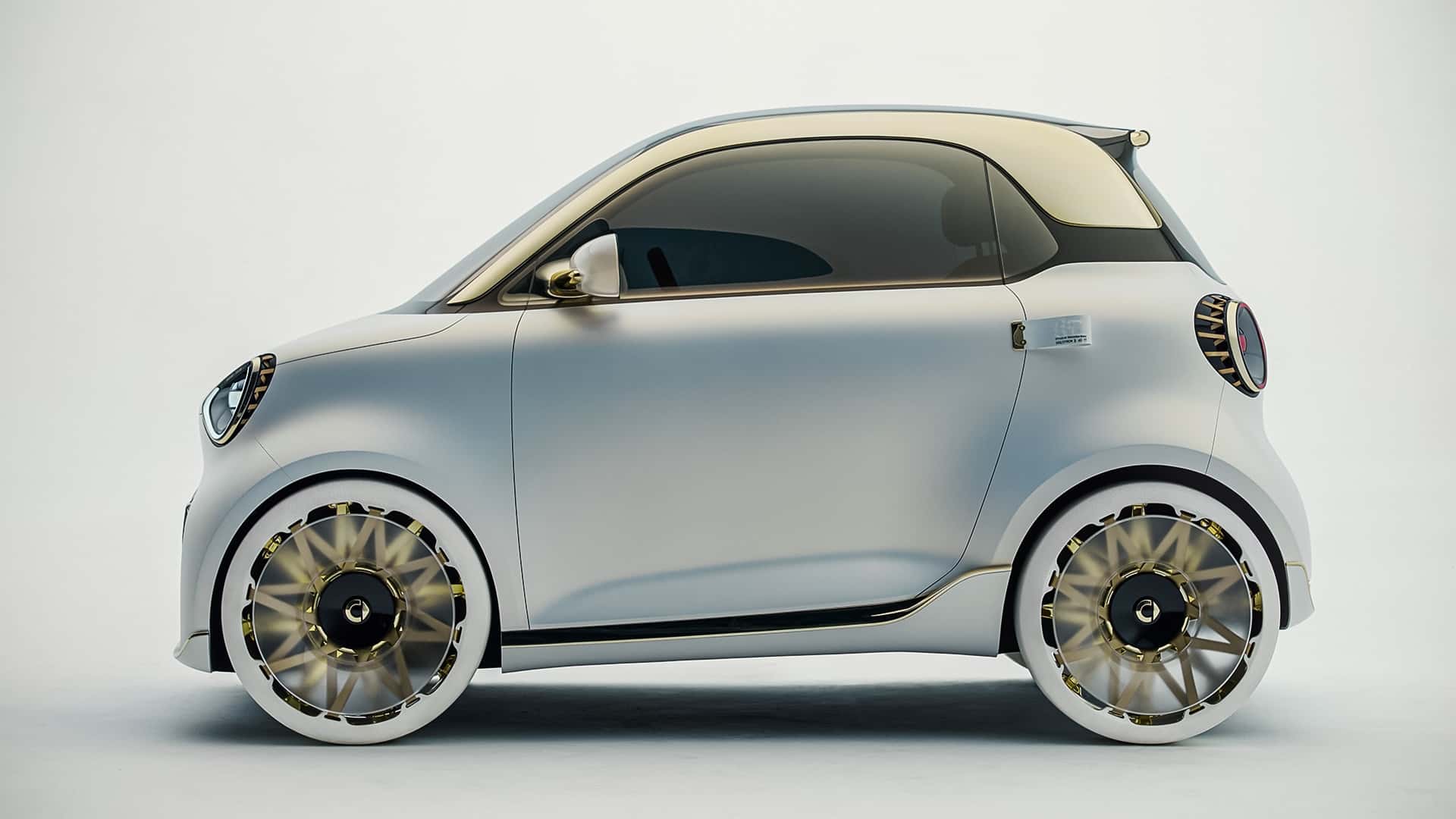
The resurrection of Smart as a credible electric marque is one of the more intriguing subplots in the industry's slow, stumbling pivot away from combustion. Few brands have undergone a stranger metamorphosis: from the tiny, rear-engined Fortwo that made urban parking a party trick, to a joint venture between Mercedes-Benz and Geely now tasked with selling premium-feeling compact EVs to a sceptical public. The temptation, when a brand is struggling to find its footing, is to reach for the familiar levers — a bigger battery, a longer range figure, a headline-grabbing charging claim. That instinct would be a mistake. Smart's future hinges on something far less glamorous and far harder to engineer: its software reputation.
Consider the broader climate. The automotive conversation of the past two years has been dominated not by range anxiety but by a quieter, more corrosive frustration — the sense that modern cars are computers that happen to have wheels, and that the computers are frequently, maddeningly unreliable. Owners of ostensibly premium EVs have grown weary of screens that lag, over-the-air updates that brick features, driver-assistance systems that hallucinate, and phone-pairing rituals that feel like negotiating with a temperamental appliance. Range, once the defining metric of EV credibility, has largely been solved for the daily-driving majority; a 400-kilometre car covers the overwhelming bulk of real-world use. What has not been solved is the experience of living with the thing every single day.
The Premium Promise Has a Digital Contract
This is precisely where Smart has an opportunity — and precisely where it risks squandering one. The brand's positioning as an urban, design-led, tech-forward proposition only works if the technology actually performs. A stylish compact crossover with a beautiful cabin and a sluggish infotainment stack is not a premium product; it is a handsome liability. Buyers forgive a lot in a car they love, but they do not forgive a system that makes them feel foolish every time they get behind the wheel. The reputational damage from a single widely-reported software debacle can outlast a model cycle — a lesson the wider industry has learned the hard way, one bricked update at a time.
Out-Polish, Don't Out-Range
The strategic logic is straightforward, even if the execution is not. Smart does not need to out-range its rivals; it needs to out-polish them. It needs an infotainment architecture that feels instant, an update pipeline that is genuinely invisible rather than a monthly source of dread, and a set of connected services that work reliably on day one and keep working. It needs to treat software as a core engineering discipline rather than an afterthought outsourced to whichever supplier offered the lowest bid. In a segment crowded with competent hardware, the differentiator is the quality of the digital layer — the responsiveness of the touchscreen, the intelligence of the navigation, the seamlessness of the charging handshake. These are the details that separate a car you tolerate from one you recommend.
The Fatigue Is Real — and It's a Gift
There is a lesson buried in the wider discourse around consumer technology: people are growing fatigued with devices that are nominally "smart" but practically infuriating. The backlash against over-connected, under-performing gadgets is real, and it is shaping purchasing decisions across categories. An automaker that takes this seriously — that treats reliability and restraint as features rather than compromises — stands to win disproportionate loyalty. Smart is small enough to be nimble, young enough in its EV identity to build a software culture from the ground up, and backed by partners with genuine technical depth. That is an enviable starting position.
A Narrow Window, a Sticky Reputation
But the window is narrow. First impressions in the EV market are sticky, and a reputation for glitchy software, once earned, is extraordinarily difficult to shed. The brand does not need a bigger battery to prove itself. It needs to ship cars whose screens wake instantly, whose updates install cleanly, and whose digital promises are kept. The comeback will be written in code — and Smart would do well to make that the headline, not an afterthought.