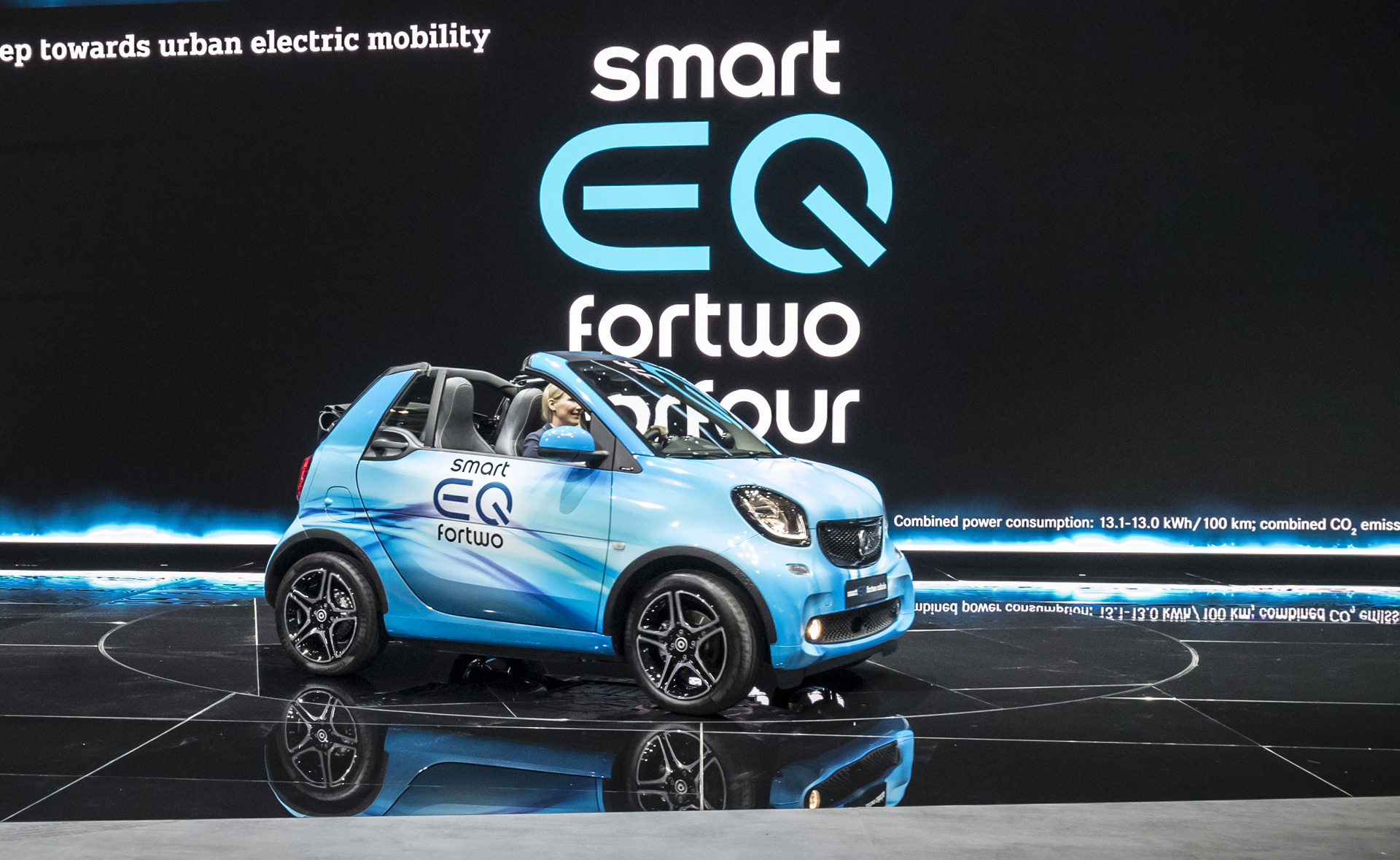
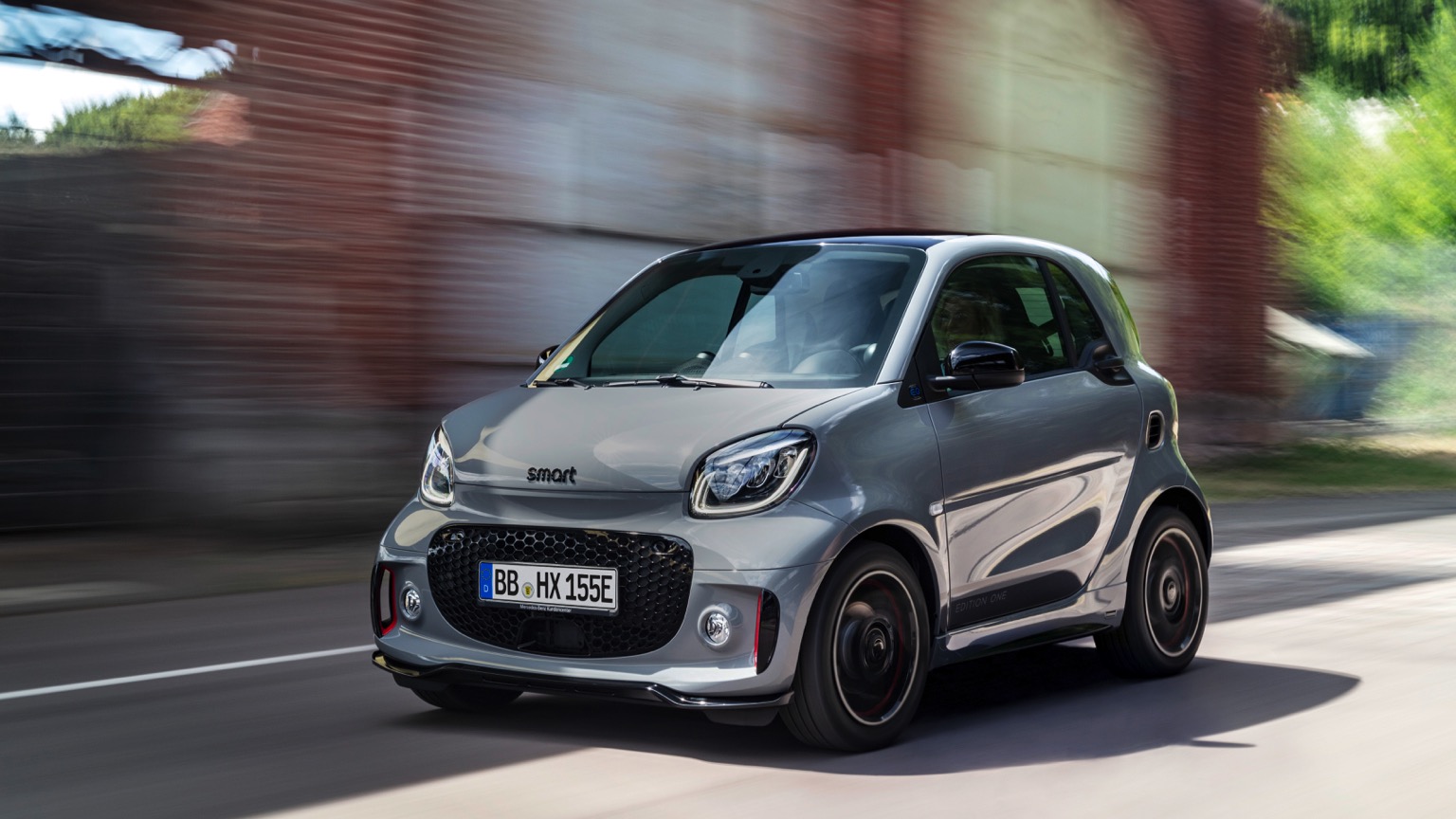
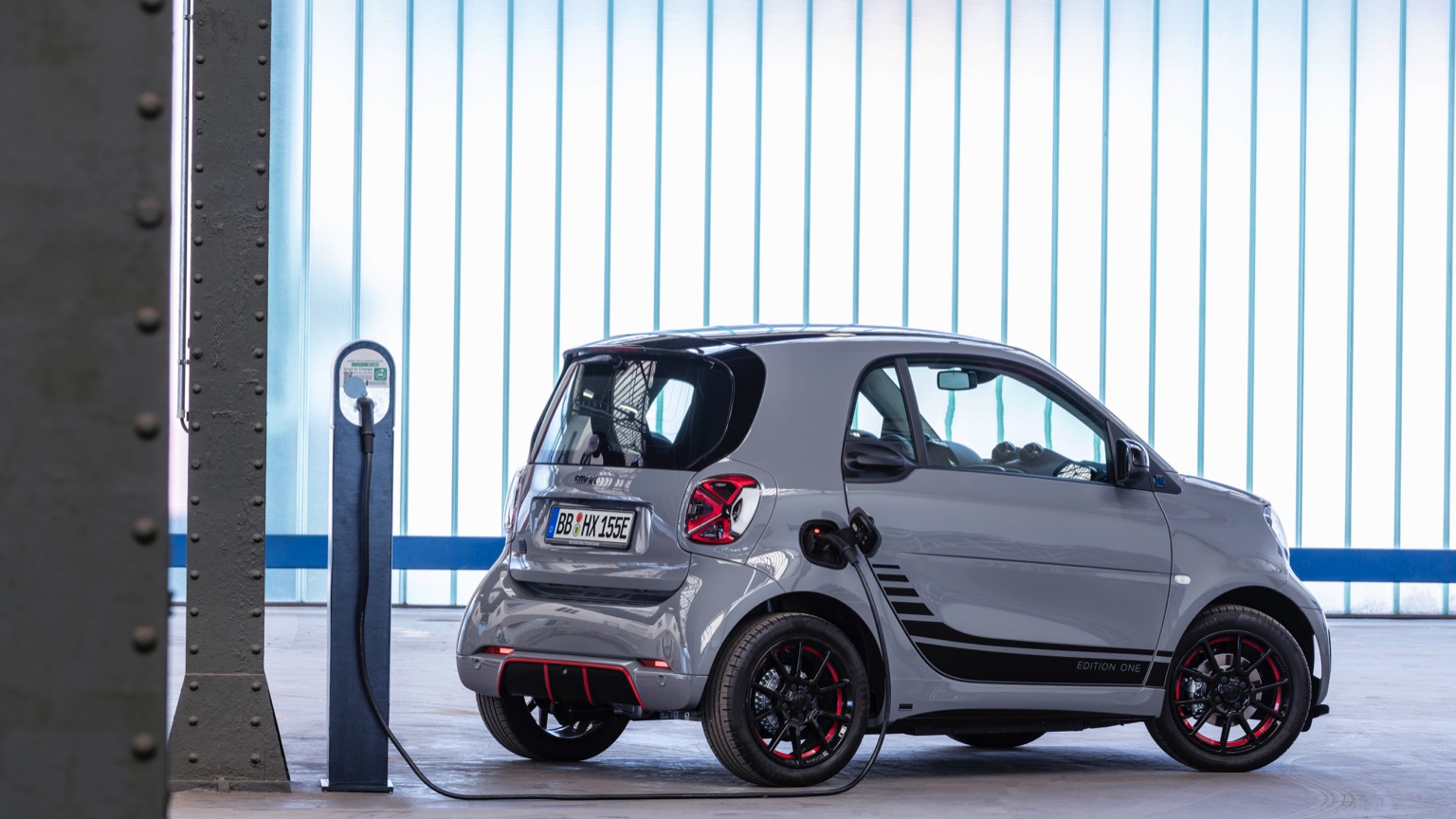
The automotive industry has spent the better part of a decade trying to convince buyers that they do not actually want to own their cars. Subscription services, feature-unlock paywalls, and software-locked horsepower have all arrived with the same glossy promise: flexibility. Almost none of them have delivered value. Yet buried beneath this wave of corporate experimentation sits a quiet outlier from a brand that never got the credit it deserved — Smart. Specifically, the battery leasing scheme attached to the Smart EQ fortwo and Smart EQ forfour stands as arguably the last genuinely affordable EV subscription model the market has ever seen.
The concept was deceptively simple. When you bought a Smart EQ, you owned the car but rented the battery. Monthly payments ranged from roughly €39 to €89 depending on mileage, and in exchange, Smart guaranteed the battery's capacity, covered degradation below a defined threshold, and replaced the pack outright if it failed. For buyers nervous about the long-term health of lithium-ion cells — a very real anxiety in the mid-2010s — this was a genuinely rational proposition. You were not financing a depreciating asset wrapped in marketing jargon. You were insuring the single most expensive and most fragile component of the vehicle.
Risk Transfer, Not Rent Extraction
What made the arrangement remarkable was its honesty. Compare it to the modern landscape, where automakers charge recurring fees for heated seats or acceleration boosts that cost them nothing to deliver. Smart's battery lease tied the payment to an actual, ongoing service: the company carried the risk of degradation so the customer did not have to. That is the fundamental difference between a subscription that serves the buyer and one that merely extracts rent from them.
The Economics of Urban Electric Driving
The economics were particularly compelling for the urban drivers Smart was built for. A fortwo EQ with a modest battery lease could be run for less per month than many city parking permits, and the car's tiny footprint made it genuinely practical in dense European cities. The lease also insulated owners from the era's brutal battery replacement costs, which could easily exceed the value of a used compact EV. When a pack failed, Smart footed the bill. When capacity dropped below warranty thresholds, Smart made it right. The customer's exposure was capped, predictable, and small.
The Quiet Disappearance
Then it vanished. As Smart pivoted toward a joint venture with Geely and repositioned itself as a premium electric brand — the #1, #3, and their successors — the battery lease quietly disappeared from the lineup. The new models are handsome, faster, and far more expensive. They are also conventional: you buy the whole car, battery included, and you absorb every risk that comes with it. In abandoning the lease, Smart traded a genuinely consumer-friendly innovation for the industry-standard playbook.
The irony is that the market has since spent years searching for exactly what Smart already had. Automakers keep launching subscription pilots that collapse within eighteen months because customers resent paying perpetually for something they feel they should own. The Smart EQ lease avoided that trap by renting only what genuinely warranted renting. It was not a gimmick dressed up as flexibility. It was risk transfer, priced fairly, for a component that justified the arrangement.
A Footnote Worth Defending
That model is now effectively extinct. No mainstream automaker offers a comparable battery-only lease on a new EV, and the few that experimented have retreated. The reasons are predictable — accounting complexity, residual-value headaches, and the simple fact that recurring revenue looks better on a spreadsheet when it is not attached to an actual obligation. But the loss is real. For a brief window, Smart offered the rare thing the EV market still struggles to provide: a way to drive electric without gambling on the most expensive part of the car. It deserved to survive. Instead, it became a footnote — and the last affordable EV subscription worth defending.