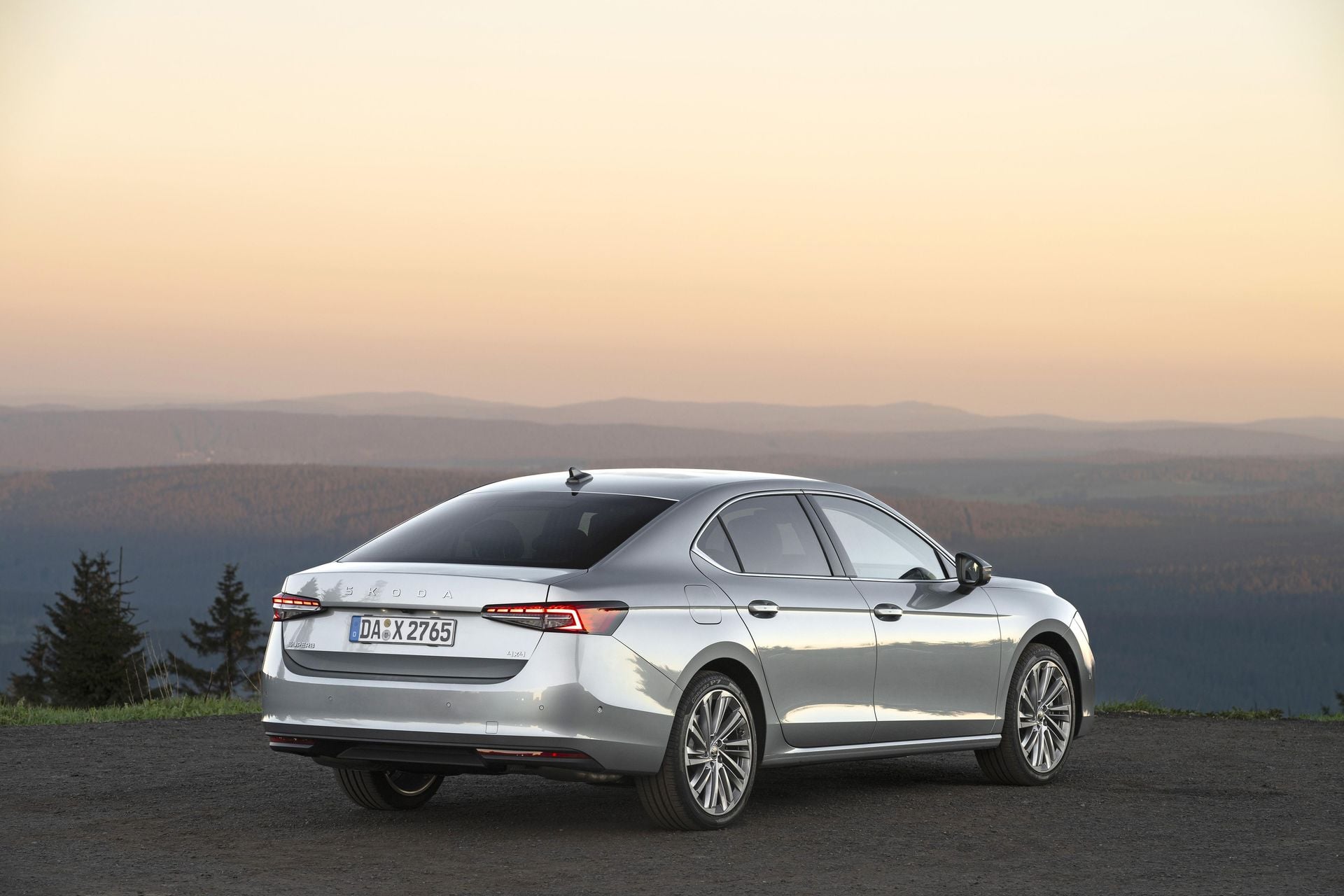
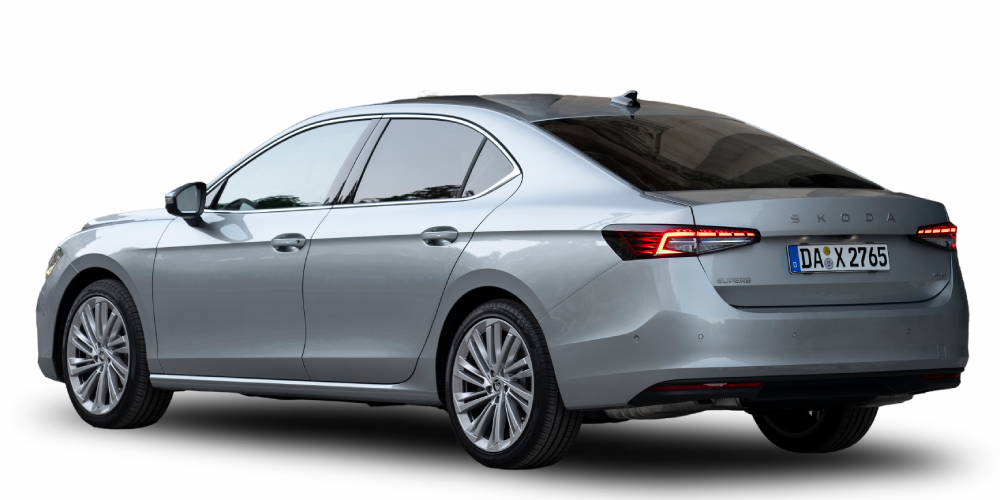
There’s a quiet irony in the fact that Skoda’s finest hour as a traditional automaker might also be its last. The Superb—a nameplate that spent two decades proving a mainstream saloon could carry genuine executive gravitas—is now officially under review. Whispers from Mladá Boleslav, amplified by recent industry reports, suggest the current generation could be the final chapter. This isn’t a decision born of failure, but of inevitability. As Skoda funnels its resources toward the Vision O concept and an expanding portfolio of electric crossovers, the Superb’s retirement signals a fundamental truth: the traditional sedan is no longer the hero of the driveway. It’s the sacrificial lamb on the altar of the SUV.
The logic is brutal and unassailable. Look at Skoda’s own sales data. In Bulgaria, the Kodiaq was the outright best-seller in a market up 26.9 percent. Across Europe, the Enyaq has become the default choice for family EV buyers, praised for its practicality and sensible packaging. The market isn’t asking for a lower, sleeker four-door alternative to these high-riding machines—it’s demanding more space, more versatility, more visual command. Skoda, ever the pragmatist, is following the money. The Superb, for all its brilliance, represents a shrinking pool of demand. The engineering brain trust isn’t weeping over the loss; they’re busy reallocating that intellectual capital toward the Peaq, the seven-seat electric SUV that recently claimed a staggering 582 miles of range on a single charge.
The End of “Simply Clever” in a Classic Format
Before we bury the Superb, let’s pause—because its departure is more than a product line cancellation. It’s the closing of a philosophical chapter for the Volkswagen Group’s most value-driven brand. The Superb was the ultimate expression of “simply clever” thinking applied to a classic format. It offered limousine-like rear legroom for a fraction of an Audi A6’s price, and its estate variant was arguably the best load-lugger on the market. It proved a sedan could be sensible and desirable simultaneously.
Now, however, the very notion of desirability has shifted. The future belongs to the Epiq and the Vision O—models that offer the same interior space as the Superb but with a raised ride height and a battery floor. The sedan’s low center of gravity and aerodynamic efficiency are no longer primary selling points. The priority is packaging a battery pack without compromising headroom, and the crossover layout wins that battle every single time. The Superb’s sharp creases and cavernous boot will be missed by those of us who appreciate the artistry of a well-executed four-door. But the engineering logic is clear: when the floor is full of cells, the roofline has to rise.
Corporate Strategy and the Art of Not Cannibalizing
There’s also a strategic component to this farewell that can’t be ignored. Skoda’s boss has publicly discussed the need for VW Group brands to stop “standing on each other’s feet.” In a corporate structure where Volkswagen is fighting to justify its own existence against Chinese competition, and Audi is struggling to define its electric identity, Skoda can’t afford to cannibalize sales or duplicate engineering efforts.
The Superb, which historically overlapped with the VW Passat and Audi A4, is a prime candidate for elimination. By retiring it, Skoda clears the air. The Kodiaq and upcoming Peaq can dominate the higher-margin, high-volume segments without internal competition. The brand is effectively saying it would rather be king of the crossover hill than prince of the dying sedan valley. It’s a cold calculation, but a smart one. In a group where every platform and every euro of R&D is under scrutiny, sentimental attachment to a four-door saloon is a luxury no one can afford.
The Customer Has Already Voted
The Superb’s impending retirement isn’t a tragedy; it’s an evolution. Skoda has always understood the assignment. It doesn’t cling to nostalgia when the market demands pragmatism. As the Peaq sets range records and the Epiq faces ten-month waiting lists, the company’s future is electric, elevated, and expansionary. The sedan isn’t being killed by a lack of engineering talent at Skoda—it’s being retired because customers have already voted with their wallets, choosing the higher seating position and rugged versatility that a crossover provides.
And yet, there’s something worth honoring here. The Superb proved that value and desirability aren’t mutually exclusive. It was the thinking person’s executive express—a car that didn’t need a four-ring badge to deliver real presence. Its slow goodbye isn’t a surrender; it’s a graceful bow, handing the torch to a generation of vehicles that will never need to look back. Skoda’s future may be electric and elevated, but the spirit of “simply clever” lives on in every crossover that carries the brand’s arrow-wing crest. The Superb is leaving the stage, but the pragmatism that defined it is very much part of what comes next.