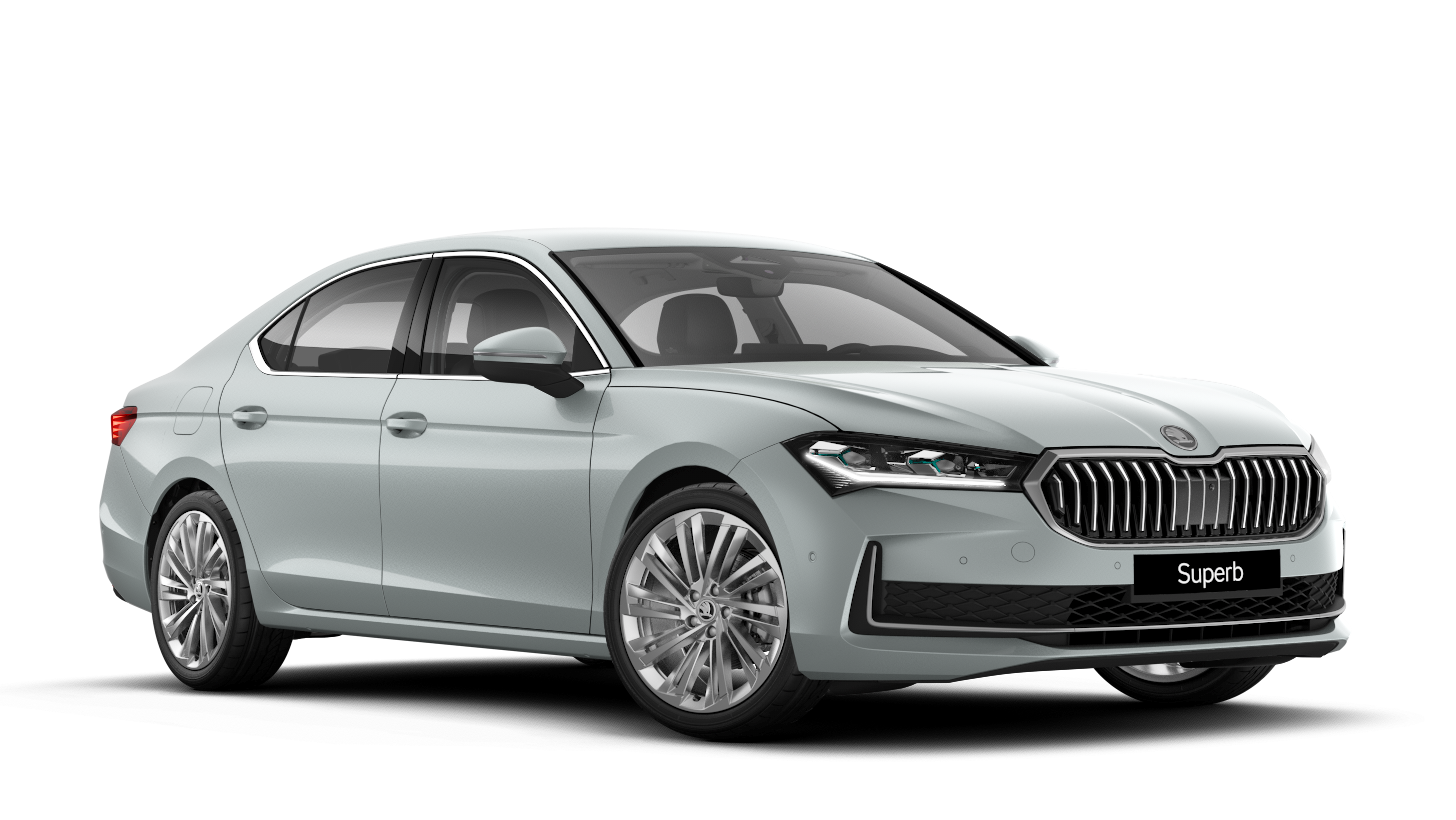
The obituaries have been written many times. The patient refuses to die.
When Skoda revived the Superb nameplate in 2001, few outside Mladá Boleslav gave the Czech flagship much chance. Volkswagen had already absorbed the brand, the European large-sedan market was contracting, and the Superb's predecessor — a forgettable 1930s-era relic — offered little in the way of modern brand equity. Twenty-five years and nearly 1.8 million cars later, the Superb stands as one of the most improbable success stories in modern motoring, a car that has outlived not just its skeptics but, arguably, the entire segment it was built to compete in.
The Unglamorous Formula That Worked
The formula was never glamorous, which is precisely why it worked. The first-generation Superb, launched in 2001, was essentially a stretched Volkswagen Passat B5 with a transversely mounted engine and limousine-grade rear legroom. It was not beautiful, and Skoda never pretended otherwise. What it offered was a proposition no German rival could match: executive-class space at family-hatchback money. Fleet buyers noticed. So did taxi operators across Europe, who found in the Superb a machine capable of absorbing six-figure mileages with the mechanical indifference of a refrigerator. The car's reputation was built not on desire but on a quieter, more durable currency — dependability.
Engineering Theatre and the Art of the Clever Boot
Each subsequent generation sharpened the argument. The 2008 second-generation car moved the Superb onto the PQ46 platform and introduced the now-famous TwinDoor tailgate, a piece of engineering theatre that let the boot open either as a conventional sedan lid or as a full liftback. It was clever, slightly unnecessary, and utterly endearing — a reminder that Skoda's engineers were allowed to have ideas the Volkswagen mothership would never sanction on a Passat. The third generation, from 2015, finally made the Superb genuinely handsome, with sharp creases and a cabin that embarrassed cars costing twice as much. By then, the Superb had stopped being a curiosity and become the default choice for buyers who valued substance over badge.
The Reckoning
Now comes the reckoning. Reports from torquecafe.com suggest the Superb's days as a sedan and wagon are numbered, with sales dwindling across Europe as buyers migrate wholesale to SUVs. It is a familiar story, and a slightly ironic one: the Superb survived the near-death of the sedan once already, in the late 2000s, only to face a second, more terminal wave of SUV-driven indifference. Yet the timing of this latest obituary is instructive. In the same news cycle, Skoda is being celebrated for the Epiq, a small electric SUV that reviewers from Top Gear, Autocar, and What Car? have queued up to praise as the affordable EV the market has been waiting for. Elsewhere, the brand is hypermiling the new Peaq to a claimed 936-kilometre range and preparing an Elroq RS to undercut the Hyundai Ioniq 5 N.
Thriving Elsewhere
Skoda, in other words, is thriving. It is simply thriving somewhere else. The Superb's slow retreat is not a failure of the car but a reallocation of the brand's ambitions — a shift from the segment where Skoda proved it could build a serious car to the segments where it now proves it can build a desirable one. The sedan that outlived its own obituary is finally being allowed to age gracefully, and there is something fitting in that. For a quarter of a century, the Superb asked nothing more than to be judged on merit. It was, repeatedly, and it won. That it now makes way for electric crossovers is not a defeat. It is an inheritance.