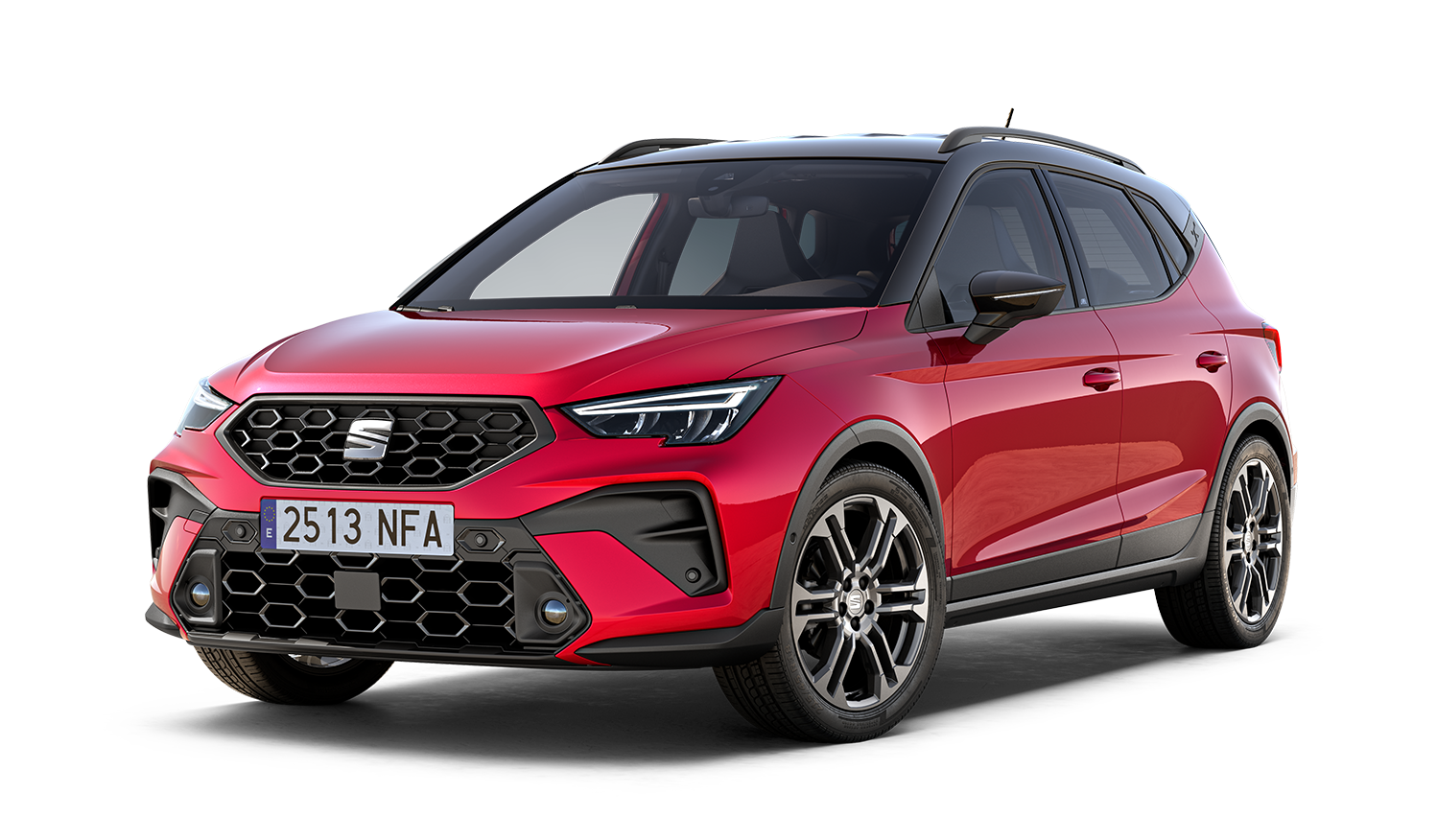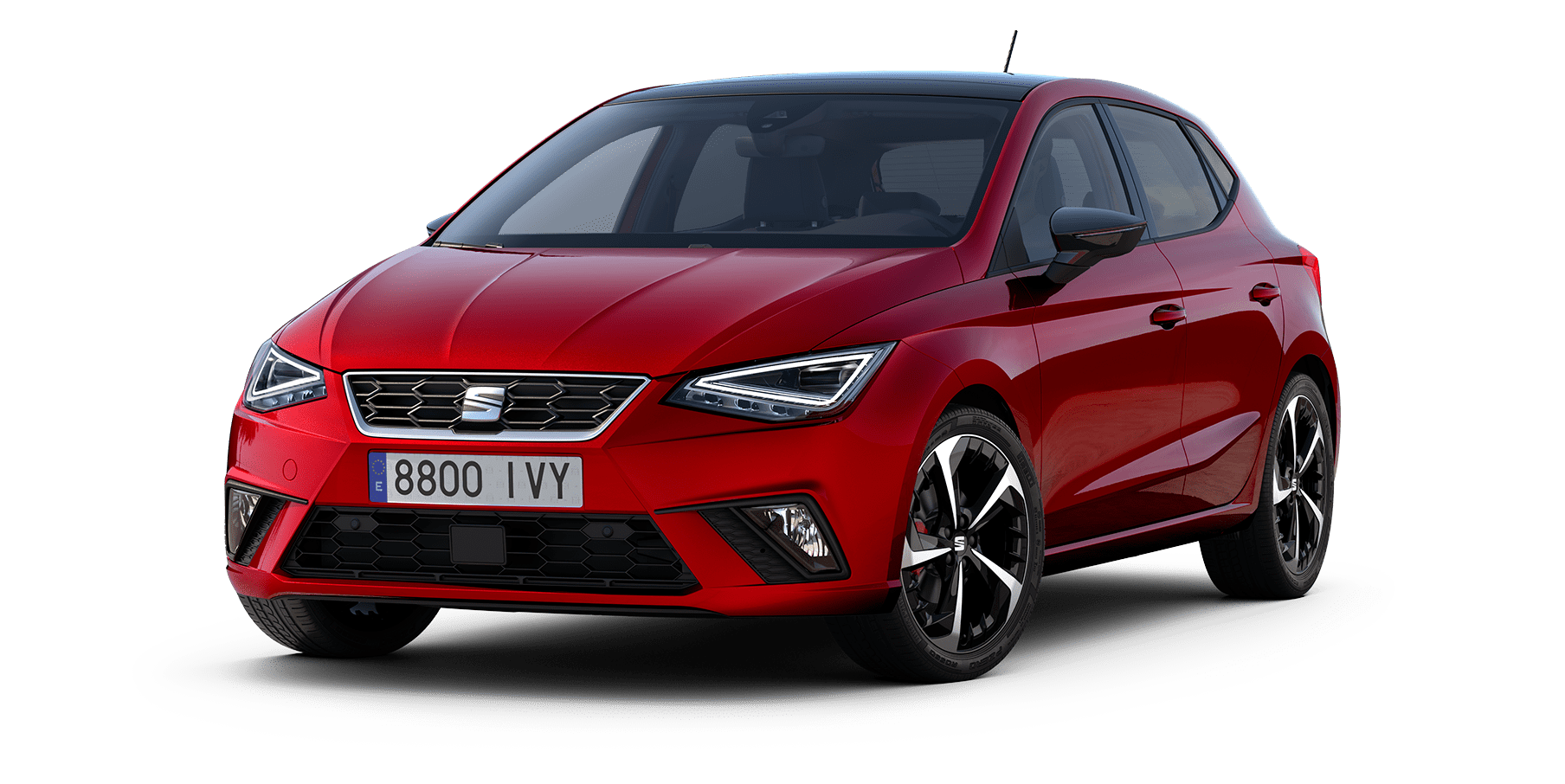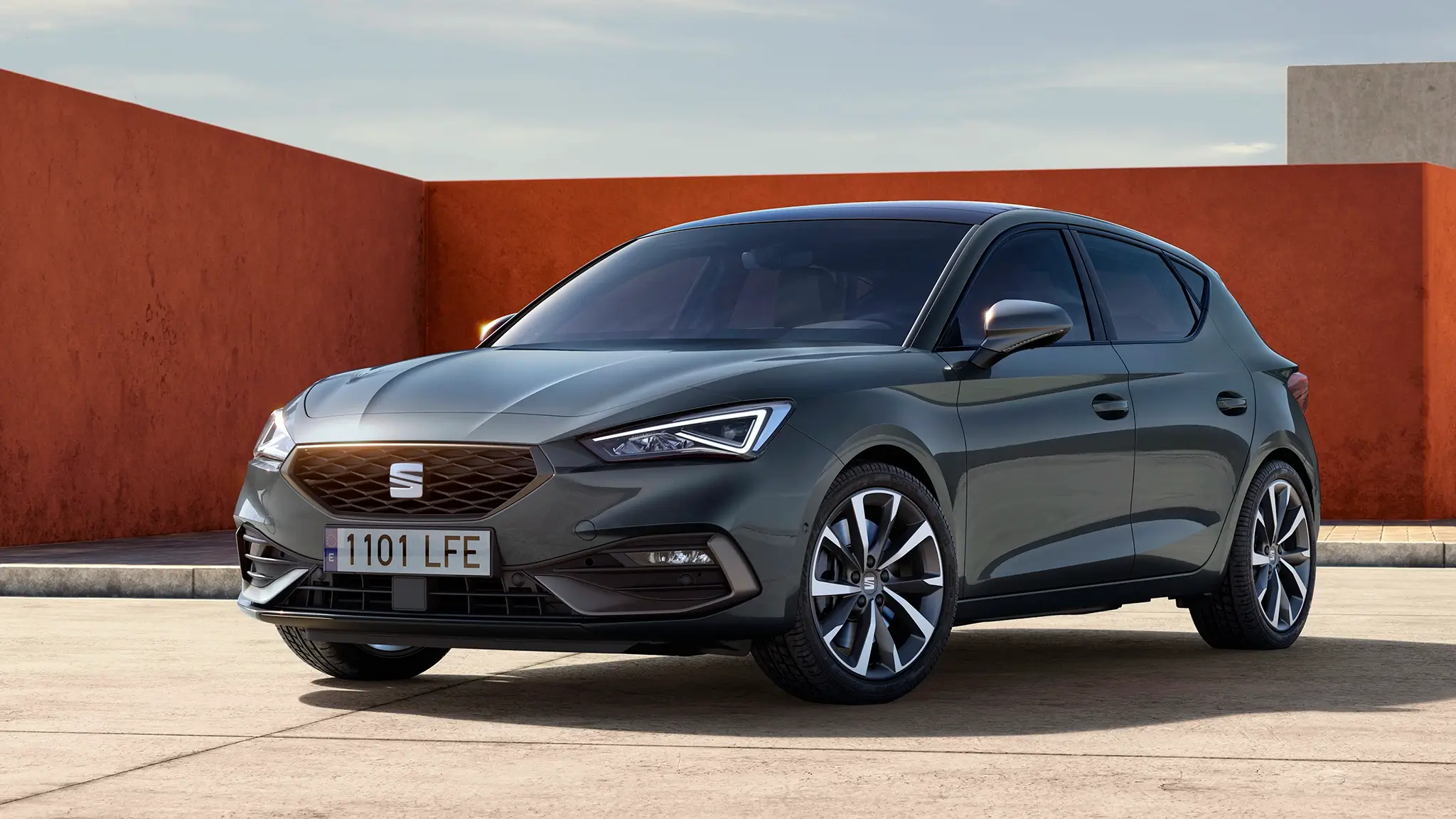
There's a quiet irony running through the industry's electric dash: the products being phased out are often the ones people love most. For SEAT, the Spanish arm of the Volkswagen Group, that irony is hardening into an existential riddle. The brand's saloons—above all the SEAT León in its four-door sedan form, a shape still cherished across southern Europe and the emerging markets—may well outlast the marque that builds them. It's a strange fate for a company that has spent decades hunting for a coherent identity inside the sprawling VW empire.
The signals of SEAT's shrinking stature are hard to miss. Volkswagen has been steering resources toward CUPRA, SEAT's sportier spin-off, which has enjoyed remarkable commercial success and now absorbs the bulk of the group's investment in Spanish operations. SEAT's own lineup has grown thin, its electric ambitions deferred in favour of sister-brand priorities. Industry observers have openly speculated that SEAT could eventually be folded into CUPRA altogether—reduced to a legacy nameplate or quietly retired. And yet, amid all that uncertainty, the sedan persists. For good reason.
The Sedan Still Pays the Bills
The four-door saloon remains a commercial cornerstone in the markets where SEAT still commands genuine loyalty. In Mexico, Turkey and parts of North Africa, the León sedan and its cousins sell steadily, prized for a blend of European engineering and accessible pricing. These aren't nostalgic artefacts. They're working vehicles—taxi fleets, family runabouts, the daily grind made metal. The sedan's practical boot, its conservative silhouette and its proven mechanicals make it the antithesis of the crossover zeitgeist. Paradoxically, that's precisely its strength. While the industry chases fashion, SEAT's saloon quietly serves buyers who value substance over styling.
The Economics of Keeping It Simple
Then there's the matter of manufacturing economics. Sedans share platforms, powertrains and components with other Volkswagen Group products, which means the León can be built profitably at volumes that would never justify a standalone electric programme. As the group wrestles with the capital demands of battery production, these pragmatic carryover models look increasingly attractive. The sedan, in other words, pays its own way—something that can't always be said of ambitious brand-building exercises.
A Brand Without a Clear Role
But the deeper question is one of identity. SEAT has never quite escaped its position as the group's value proposition—the Iberian cousin to Volkswagen's polished mainstream and Škoda's clever practicality. CUPRA was meant to solve that by injecting emotion and premium aspiration. In doing so, though, it has left SEAT without a clear role. If the brand's future is genuinely in doubt, the sedan becomes a curious kind of anchor: a product so thoroughly rational that it transcends the marketing anxieties swirling above it. There's no drama in its lines, no theatre in its driving feel—just the steady, unfussy competence that has always been SEAT's quietest virtue.
The Car That Outlives the Badge
History offers precedent. Brands have faded while their models endured—badge-engineered survivors sold under new names, platforms outliving the marques that birthed them. Should SEAT eventually be absorbed, the León sedan could plausibly continue under a different emblem, its architecture too useful to discard. In that scenario, the car outlives the brand not through sentiment, but through sheer engineering utility.
For now, SEAT soldiers on, its saloons rolling off the lines to markets that ask few questions about brand strategy and many about boot space and fuel economy. There's something almost admirable in that. While executives debate electrification roadmaps and brand hierarchies, the humble four-door keeps doing what it has always done: moving people, reliably and without fuss. It may be the most honest thing SEAT builds—and quite possibly the last.